


Have you ever settled for a pair of glasses that were almost perfect? The frames were your style, the lenses corrected your vision flawlessly, but there was that one nagging issue you couldn't ignore: the constant slippage, the painful pressure points on the bridge of your nose, or the uneven alignment that gave you a slight headache after a few hours of wear. If this sounds familiar, you are not alone. The quest for the perfect fit is a universal challenge for eyeglass wearers, but what if there was a simple, often overlooked solution that could elevate your eyewear from a daily nuisance to a seamless extension of yourself? The answer lies in a small yet profoundly impactful feature: the ability to add adjustable nose pads to glasses. This isn't just a minor adjustment; it's a complete game-changer for comfort, stability, and optical precision. Read on to unlock the secrets of this transformative upgrade and learn how you can finally achieve the perfect, personalized fit you deserve.
The Anatomy of Discomfort: Why Standard Nose Bridges Fail Us
To understand the revolutionary nature of adjustable nose pads, we must first diagnose the problem they solve. Standard eyeglass frames typically come with one of two types of nose supports: a fixed bridge or pre-molded, non-adjustable nose pads.
A fixed bridge, common in many plastic and acetate frames, is a single, solid piece of material that arches over the nose. Its fit is predetermined during manufacturing. The issue? Human noses are not predetermined. They come in an infinite variety of shapes, sizes, and angles. A fixed bridge that is too high will cause the glasses to sit too low, constantly sliding down and forcing you to develop the infamous "eyewear push-up" reflex. One that is too low will exert excessive pressure on the top of the nose, leading to deep, painful red marks and headaches. There is no room for customization; you are forced to conform to the frame's rigid architecture.
Pre-molded, non-adjustable nose pads, often found on cheaper metal frames, present a similar dilemma. While they might offer a slight improvement over a solid plastic bridge, their static nature means they cannot be tuned to the unique contours of your nose. They might press too hard on one side, sit unevenly, or fail to provide enough surface area to distribute the weight of the glasses comfortably. The result is the same: a compromise on comfort that you are expected to endure for the lifespan of the frames.
The Engineering Marvel of Adjustability: How Do They Work?
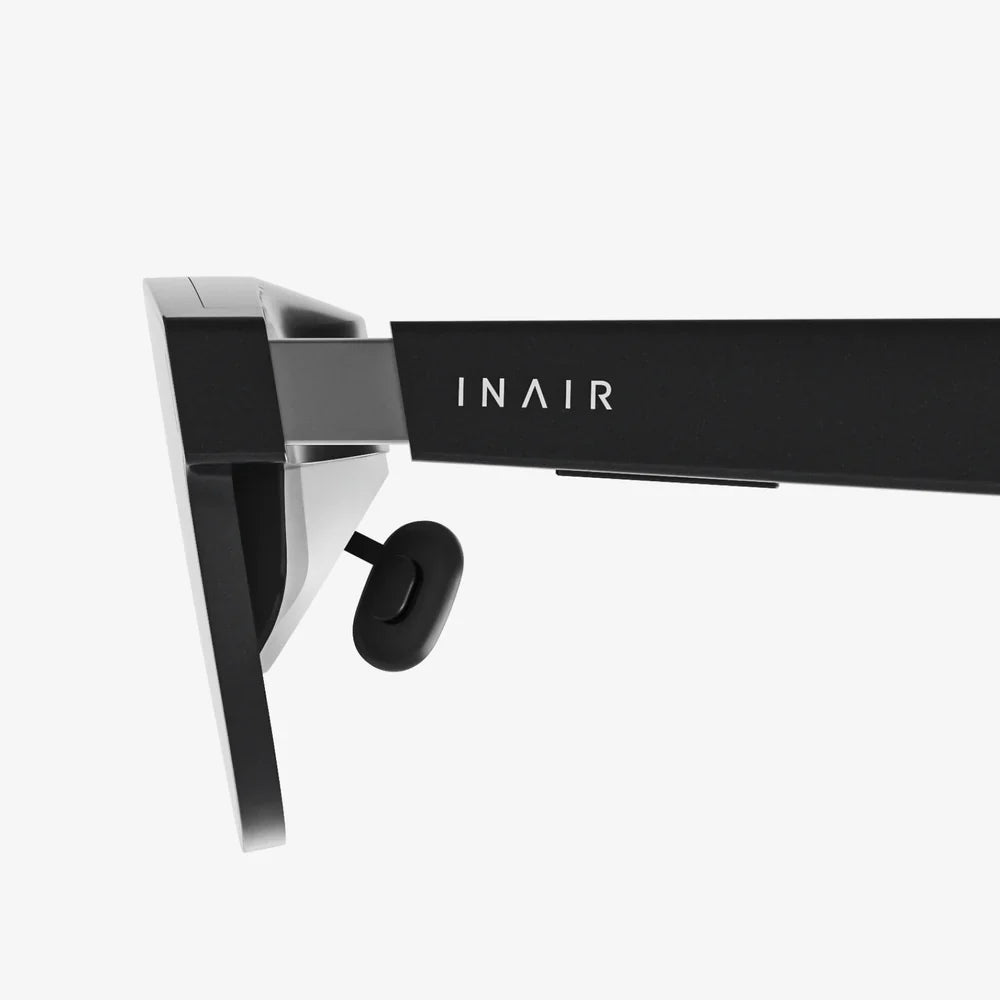
Adjustable nose pads are a masterpiece of functional minimalist design. They consist of three key components:
- The Pad Itself: Typically made from a soft, hypoallergenic silicone or a clear, firm plastic. Silicone pads are prized for their softness and grip, conforming gently to the skin, while plastic pads offer a more defined structure.
- The Pad Arms (or Guards): These are the small metal wires that connect the pad to the front of the frame. Their flexibility is the key to the entire system.
- The Mounting: The point where the pad arms are secured to the frame, allowing them to pivot and be adjusted.
The magic happens in the adjustability of the pad arms. A skilled optician can use special pliers to carefully bend these arms in three distinct dimensions:
- In and Out: This adjusts the distance between the two pads, ensuring they align perfectly with the unique width of your nasal bridge. This is crucial for centering the optical axis of the lenses directly over your pupils.
- Up and Down: This changes the height at which the glasses sit on your face. By lowering the pads, the entire frame is raised, bringing the eyes closer to the center of the lenses. Raising the pads has the opposite effect.
- Angling: The pads can be tilted to match the exact slope of the sides of your nose, maximizing surface contact and distributing weight evenly to eliminate pressure points.
This level of micro-adjustment is what makes this feature so powerful. It’s the difference between wearing a one-size-fits-all garment and one that has been tailor-made for your body.
The Multifaceted Benefits: More Than Just Stopping the Slide
The most obvious advantage of adding adjustable nose pads is eliminating slippage, especially for those with narrower or lower nose bridges. But the benefits extend far beyond simple stability.
1. Optimal Optical Performance
Your prescription is calculated based on the precise positioning of the lenses in front of your eyes. If your glasses are constantly sliding down your nose or sitting crooked, you are not looking through the optical center of the lenses. This can induce eye strain, headaches, and even blurred vision as your eye muscles work overtime to compensate for the misalignment. Properly adjusted nose pads lock the lenses in the perfect position, ensuring you receive the full, intended benefit of your prescription at all times.
2. Enhanced Physical Comfort
By distributing the weight of the frames—which can be significant with high-index lenses or large frames—over a broader, softer area, adjustable pads eliminate painful pressure points. No more red marks, soreness, or headaches caused by frames that are too tight. This is particularly beneficial for all-day wearers and those who rely on their glasses for demanding tasks like working on a computer.
3. Improved Stability for an Active Lifestyle
For those who live active lives, whether it’s chasing after children, working out, or simply being on the move, securely fitted glasses are non-negotiable. Adjustable nose pads provide a grip that keeps your frames firmly in place during sudden movements, bending over, or looking down, giving you one less thing to worry about.
4. Aesthetic Perfection
Well-fitted glasses simply look better. They sit straight and symmetrical on your face, enhancing your features rather than distracting from them. The confidence that comes from knowing your glasses won't slip at a crucial moment during a conversation or presentation is invaluable.
5. Versatility and Long-Term Value
Our faces change over time. Subtle shifts in weight, natural aging of the skin, and even changes in humidity can affect how glasses fit. With adjustable pads, your frames can evolve with you. A quick visit to your optician for a tune-up can restore a perfect fit, extending the life and value of your favorite pair of glasses for years to come.
The Process of Addition: Can It Be Done to Any Frame?
This is the critical question. The ideal scenario is to purchase frames that are originally designed with adjustable nose pads. These frames have the necessary mounting points built into their design. However, what if you've fallen in love with a frame that has a fixed bridge?
The process of adding adjustable nose pads to a frame not designed for them is a specialized task that falls under optical frame modification. It is not a do-it-yourself project and should only be attempted by a highly skilled optician or jeweler with specific experience in eyewear repair and modification.
The general process involves:
- Assessment: The professional will first evaluate the frame's material (acetate, metal, etc.), structure, and thickness to determine if it can support the modification without being weakened or damaged.
- Drilling: Using a precision drill, tiny pilot holes are created at the precise points on the inside of the frame's bridge where the nose pad mounts will be attached.
- Mounting: Small metal mounts (often called "cheaters") are carefully screwed or riveted into the newly created holes. This must be done with extreme care to avoid cracking the frame material.
- Attaching the Assembly: The nose pad arms are then connected to these newly installed mounts.
- Fitting and Adjustment: Finally, the optician will adjust the new pads to fit the wearer's nose perfectly.
It is crucial to understand that this modification is not always possible or advisable. Very thin, brittle, or delicately designed frames may not have the structural integrity to support the modification. The cost of the procedure must also be weighed against the value of the frames themselves. Consulting with a trusted optical professional is an essential first step.
Caring for Your Adjustable Nose Pads
Once you have your perfectly fitted glasses, maintaining them is straightforward:
- Regular Cleaning: Gently clean the silicone pads with soap and water when cleaning your lenses to remove skin oils and debris that can degrade the material and reduce grip.
- Professional Check-ups: During your annual eye exam, ask your optician to check the tightness of the pad mounts and the condition of the pads themselves. Silicone pads can harden and discolor over time and may need replacement every year or two.
- Mindful Handling: Always put on and take off your glasses with two hands to avoid putting uneven stress on the pad arms, which can bend them out of alignment.
For countless individuals, the simple act to add adjustable nose pads to glasses has been nothing short of a revelation. It transforms eyewear from a necessary appliance into a comfortable, reliable, and precision tool. It solves a myriad of fit issues that many have resigned themselves to living with. Whether you are considering your next purchase or contemplating a modification to a beloved existing pair, prioritizing this feature is an investment in your daily comfort, visual health, and overall satisfaction. Don't just wear your glasses—experience them in a way you never thought possible, perfectly balanced and effortlessly comfortable, from the first moment you put them on until the last thing you see at night.
Share:
Virtual Reality No Phone Needed: The Dawn of a Truly Immersive Era
Where Can I Try AR Glasses - Your Ultimate Guide to Experiencing Augmented Reality