


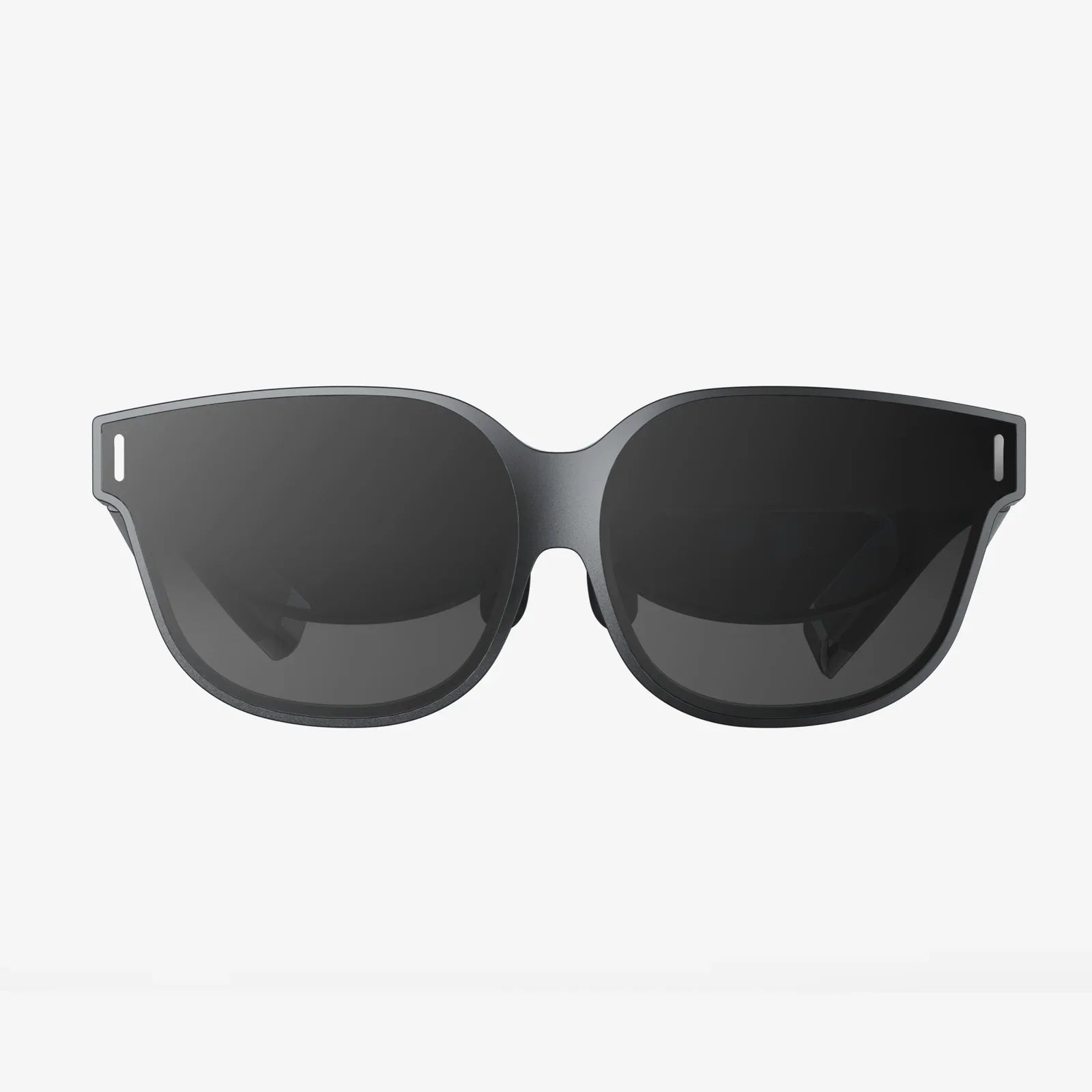
Imagine slipping on a headset and instantly being transported to another world—no wires, no fiddling with your smartphone, no tether to the device in your pocket. This is no longer a scene from science fiction; it's the reality of modern virtual reality, a paradigm shift defined by one powerful concept: virtual reality, no phone needed. This evolution marks the most significant leap in the technology's short consumer history, moving VR from a cumbersome tech demo into a sleek, self-contained portal to limitless experiences. It’s a change that promises to redefine not just how we play games, but how we work, learn, and connect.
The Constraining Tether: The Era of Phone-Dependent VR
To appreciate the revolution, one must first understand the limitations of the past. The initial wave of consumer VR often relied on a smartphone's screen, processors, and sensors to function. Users would slot their expensive handset into a head-mounted holder, effectively turning it into a makeshift display. While this approach lowered the initial barrier to entry and introduced millions to the concept of VR, it came with a host of intrinsic compromises that severely capped the medium's potential.
The primary issue was one of performance and quality. Smartphones are general-purpose devices, designed for a myriad of tasks from communication to photography. Their thermal design, battery life, and processing power are not optimized for the immense, sustained graphical and computational demands of high-fidelity virtual reality. This resulted in experiences that were often low-resolution, prone to overheating, and limited in scope. The immersive illusion was constantly broken by pixelated screens, laggy tracking, and the dreaded "low battery" warning.
Furthermore, this setup created an ergonomic and experiential nightmare. The process was far from seamless: inserting the phone, ensuring it was aligned correctly, closing the latch, connecting headphones, and worrying about draining the battery of one's primary communication device. It was a fragmented experience that felt more like a tech gimmick than a polished platform. The user was always aware of the phone's presence, a constant reminder that the virtual world was merely a borrowed illusion.
The Liberation of All-in-One: Engineering Independence
The advent of standalone, all-in-one VR headsets represents a fundamental re-engineering of the entire concept. By divorcing the virtual reality experience from the smartphone, engineers were able to design a device with a singular, uncompromising purpose: immersion.
At the heart of this liberation is custom silicon and optimized hardware. Unlike a phone, a dedicated headset features a system-on-a-chip (SoC) and cooling solutions designed explicitly for the sustained workloads of VR. This means more powerful graphics, faster processing, and smoother performance without the thermal throttling that plagued phone-based solutions. Every component, from the lenses to the speakers to the battery placement, is meticulously arranged for balance, comfort, and maximum visual and auditory fidelity.
This dedicated hardware enables advanced inside-out tracking. Instead of relying on a phone's limited motion sensors, standalone headsets are equipped with multiple wide-angle cameras that constantly scan the environment. These cameras map the physical space in real-time, allowing users to move freely and naturally while the headset seamlessly translates their movements into the virtual world. This eliminates the need for external external sensors or base stations, further simplifying setup and enhancing the feeling of untethered freedom. The system understands the room you are in, allowing for experiences that blend the physical and virtual—a concept known as mixed reality.
Beyond Convenience: The Ripple Effects of a Phone-Free Ecosystem
The benefits of removing the phone from the equation extend far beyond mere convenience. This shift has catalyzed a chain reaction of improvements across every facet of the virtual reality experience.
1. A Lower Barrier to True Entry
While a phone-based headset seems cheaper on the surface, it secretly requires the user to own a high-end smartphone, a device that can cost significantly more than a modern standalone headset. By creating a self-contained product, VR becomes truly accessible. There is no need to check compatibility or worry about owning the latest phone model. The headset is the platform. This democratization is crucial for mass adoption, opening the doors for a wider, more diverse audience to experience high-quality VR.
2. The User Experience Revolution
The entire journey from unboxing to exploring is now seamless. Putting on the headset is an immediate invitation into a virtual environment. User interfaces are designed for spatial computing, using hand-tracking and intuitive controllers instead of mimicking a smartphone's touchscreen. This creates a sense of presence that was impossible to achieve when the user was constantly aware of their phone's limitations. The technology fades into the background, allowing the experience to take center stage.
3. Unleashing Developer Creativity
Developers are no longer constrained by the lowest common denominator of mobile phone processors. With a known, standardized hardware spec for a given headset, they can optimize their applications to push the boundaries of what's possible. This has led to a new generation of richer, more complex, and visually stunning games, social platforms, and productivity tools. They can confidently design experiences that leverage the full suite of dedicated sensors without worrying about device fragmentation or performance bottlenecks.
4. The Rise of Social and Shared Spaces
When VR is tied to a personal communication device, it feels like a solitary activity. Standalone headsets have fostered the rapid growth of social VR. These are persistent virtual spaces where people can meet, talk, play, and create together. The ease of use means jumping into a social app is as simple as joining a video call. This has profound implications for remote work, where colleagues can collaborate around a virtual whiteboard as if they were in the same room, and for personal connections, allowing families and friends to share experiences despite being miles apart.
The Future is Standalone: What This Means for Tomorrow
The trajectory is clear: the future of consumer virtual reality is standalone. The "no phone needed" philosophy is the foundation upon which the next decade of innovation will be built. We are moving towards even lighter, more comfortable form factors with increased battery life, higher-resolution displays, and more sophisticated eye and face tracking. These advancements will further blur the line between the real and the virtual.
This technology is poised to become a fundamental part of the next computing platform. We will use these devices for immersive training simulations for surgeons and mechanics, for virtual tourism that can transport students to ancient Rome or the surface of Mars, and for therapeutic applications that help people overcome phobias or manage chronic pain. The applications in design, architecture, and engineering are already transforming those industries, allowing for prototyping and collaboration in 3D space before a single physical resource is expended.
The ultimate goal is a pair of sleek, unobtrusive glasses that can seamlessly switch between a immersive virtual world and an augmented reality overlay on our physical world. The standalone, all-in-one headset of today is the critical stepping stone to that future. It is the platform that is teaching us how to interact with digital content in three dimensions, proving the market, and enticing the developers who will build the essential software for this new paradigm.
The era of slotting a phone into a plastic box is over. We have entered the age of dedicated virtual reality, a time of unparalleled immersion and limitless possibility. The door to the virtual world is now open, and it doesn't require anything from your pocket to step through.
Share:
Virtual Staging: The Digital Revolution Transforming Real Estate and Redefining Home Selling
Add Adjustable Nose Pads to Glasses: The Ultimate Guide to Unmatched Comfort and Fit