


Imagine a world where the simple twist of a dial could bring the entire world into crystal-clear focus, banishing blurry text, indistinct faces, and the frustrating hunt for a lost pair of reading glasses. This is not a scene from science fiction but the very real promise of adjustable lens glasses, a technological innovation poised to democratize vision correction on a global scale. This groundbreaking technology challenges everything we know about traditional eyewear, offering a dynamic and personalized solution to the universal challenge of presbyopia and other refractive errors. For millions, it represents nothing short of a visual liberation.
The Science Behind the Adjustment: A Masterpiece of Optical Engineering
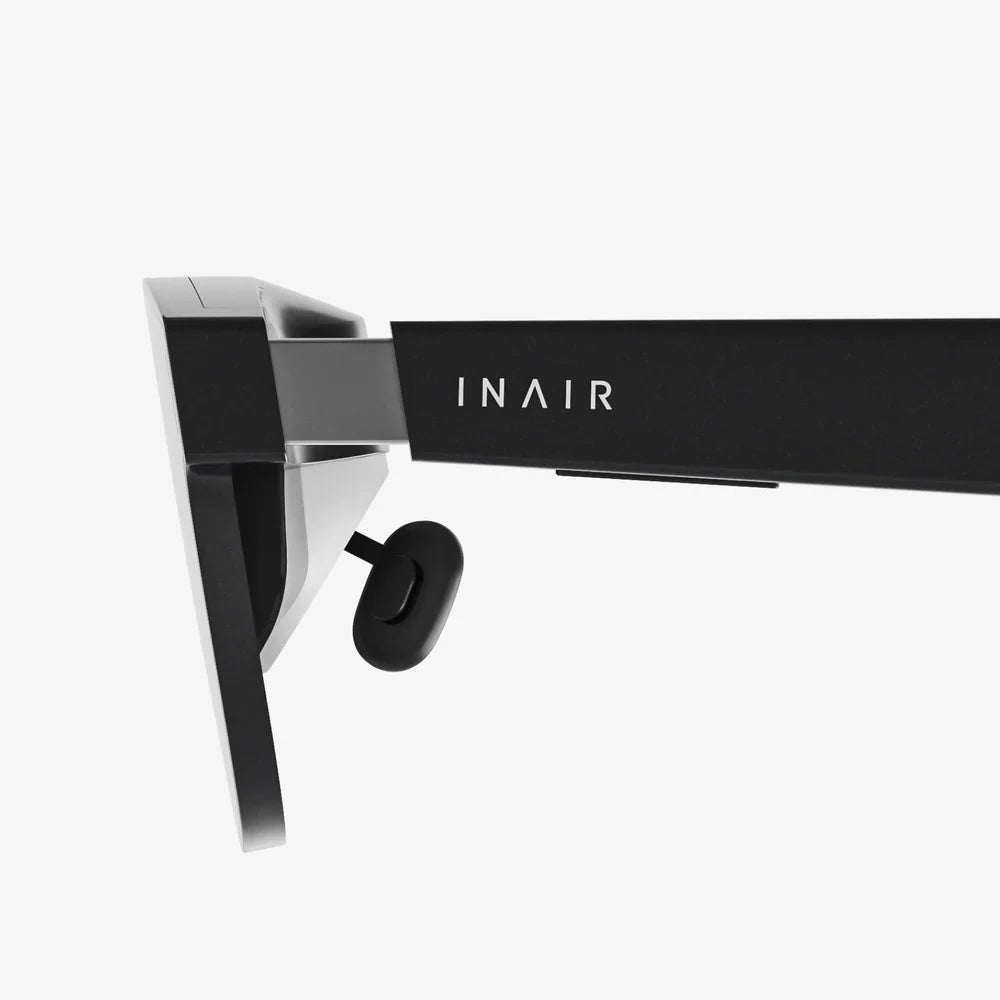
At its core, the technology behind adjustable lens glasses is an elegant application of fundamental optical principles. Unlike static, single-prescription lenses, these glasses feature a sophisticated fluid-filled lens system. The secret lies in a flexible membrane, a kind of optical sac, that is filled with a perfectly clear, biocompatible fluid. This membrane is housed within a rigid frame and is connected to a tiny, discreet mechanism—often a dial or slider—integrated into the temple arms of the glasses.
The magic happens when the user interacts with this mechanism. Turning the dial pumps minute amounts of fluid into or out of the chamber behind the flexible membrane. Adding fluid increases the internal pressure, causing the membrane to bulge outward and creating a more convex lens shape, which increases the focusing power (akin to a higher "plus" power for reading). Conversely, withdrawing fluid flattens the membrane, reducing the convexity and decreasing the focusing power for distance vision. This process allows the user to seamlessly dial in the exact corrective power they need for any given task, from reading a book to watching a movie on a screen across the room.
Conquering Presbyopia: A Customizable Solution for Aging Eyes
The most immediate and profound impact of adjustable lens glasses has been in addressing presbyopia, the age-related loss of near focusing ability that affects virtually everyone after the age of 40. Traditional solutions, while effective, come with significant compromises.
- Single-Vision Readers: These offer excellent clarity at one fixed distance but become a visual hindrance for any other task. Users are constantly putting them on, taking them off, and perpetually losing them.
- Bifocals: These provide two distinct zones of vision but create a jarring and often dangerous "image jump" at the line segment. They also publicly signify the wearer's age, a cosmetic concern for some.
- Progressive Lenses: While offering a seamless corridor of vision, progressives have notoriously narrow zones of clear vision, requiring precise and often uncomfortable head movements to find the "sweet spot." They also induce peripheral distortion, which can cause dizziness and nausea, especially for new users.
Adjustable lens glasses elegantly sidestep all these drawbacks. They offer a single, continuous field of perfect vision at any distance. There are no lines, no distorted peripheries, and no need to aim your nose. The user is in complete control, instantly optimizing their vision for any scenario with a simple, intuitive adjustment. It is a liberating experience that restores natural, dynamic vision.
Beyond Reading Glasses: Expansive Applications and Global Potential
While presbyopia is a primary market, the potential applications of this fluid-based lens technology extend far beyond. The concept is a platform for addressing a wide array of vision challenges.
In the developing world, access to eye care professionals is severely limited. Millions of people suffer from correctable refractive errors but lack the means for a professional exam and custom-made glasses. Adjustable lens glasses could serve as a powerful tool for humanitarian aid. A single, robust pair could be adjusted to suit the needs of countless individuals, providing immediate relief and transforming lives without the need for complex infrastructure or highly trained optometrists on the ground. This represents a paradigm shift in global health initiatives aimed at combating preventable blindness.
Furthermore, the technology holds promise for individuals with highly unusual or complex prescriptions that are expensive and time-consuming to produce with traditional lenses. It could also benefit those whose vision requirements change frequently due to medical conditions or treatments. The inherent adaptability of the system makes it a versatile solution for a multitude of unique visual needs.
The User Experience: Empowerment and Immediate Gratification
Adopting adjustable lens glasses is a uniquely empowering experience. The process of finding one's perfect vision is tactile and immediate. For a new user, the initial fitting involves looking at a standard eye chart (or a smartphone screen) and turning the dial until the smallest letters snap into sharp clarity. This direct feedback loop is incredibly satisfying. There is no waiting weeks for a lab to craft lenses; perfect vision is achieved in seconds.
Daily use becomes second nature. Users quickly learn the approximate settings for their most common activities—a specific point for computer work, another for reading a paperback, and a third for driving. The adjustment is made effortlessly without even removing the glasses from your face. This seamless integration into daily life is a key advantage over all other multifocal solutions, which require the user to adapt to the limitations of the lens.
Addressing Limitations and the Road Ahead
No technology is without its initial limitations, and adjustable lens glasses are no exception. Early iterations were often criticized for their bulkier design compared to ultra-slim traditional frames, as they must accommodate the fluid chamber and mechanism. However, relentless innovation is rapidly making the technology more streamlined and aesthetically pleasing, with designs now approaching the look and weight of conventional eyewear.
Durability is another common concern. Manufacturers address this by using incredibly robust materials for the fluid chambers and ensuring the adjustment mechanisms are engineered for thousands of cycles. Many are also water-resistant and can withstand the rigors of daily life. The question of cost is also evolving. While the initial investment may be higher than a simple pair of readers, it is often comparable to or less than a high-quality pair of progressive lenses, while offering vastly superior versatility and a single solution for all distances.
The future roadmap for this technology is exceptionally bright. We can anticipate further miniaturization of components, integration with smart technology for digital tracking of usage patterns, and even the potential for auto-focusing systems that use sensors to adjust the lenses automatically based on where the user is looking, effectively creating a bionic focusing system.
A Vision of the Future: Democratizing Clear Sight
The true significance of adjustable lens glasses transcends mere convenience. This technology represents a fundamental shift from a static, one-time correction to a dynamic, user-centric visual experience. It places the power of perfect sight directly into the hands of the individual, making vision correction personal, immediate, and adaptable.
It dismantles long-standing barriers in eye care, from the high cost of multiple pairs of glasses to the critical lack of access in underserved regions. It challenges the very notion that seeing clearly at every distance requires a complex, expensive, and compromise-ridden solution. By harnessing simple physics in a brilliantly complex way, adjustable lens glasses offer a glimpse into a more inclusive and visually clear future for all of humanity.
Forget everything you thought you knew about reading glasses and multifocal lenses. The era of straining your eyes, juggling multiple pairs, and settling for distorted vision is coming to an end. The next time you find yourself squinting at a menu or holding your phone at arm's length, remember that the power to change it is already here, waiting at your fingertips. The future of sight is not just clearer—it's adjustable, and it's ready to change how you see the world, literally and figuratively.
Share:
HUD Stand For: The Ultimate Guide to Head-Up Display Technology
Top 10 Goggles Brand: The Ultimate Guide to Finding Your Perfect Pair