


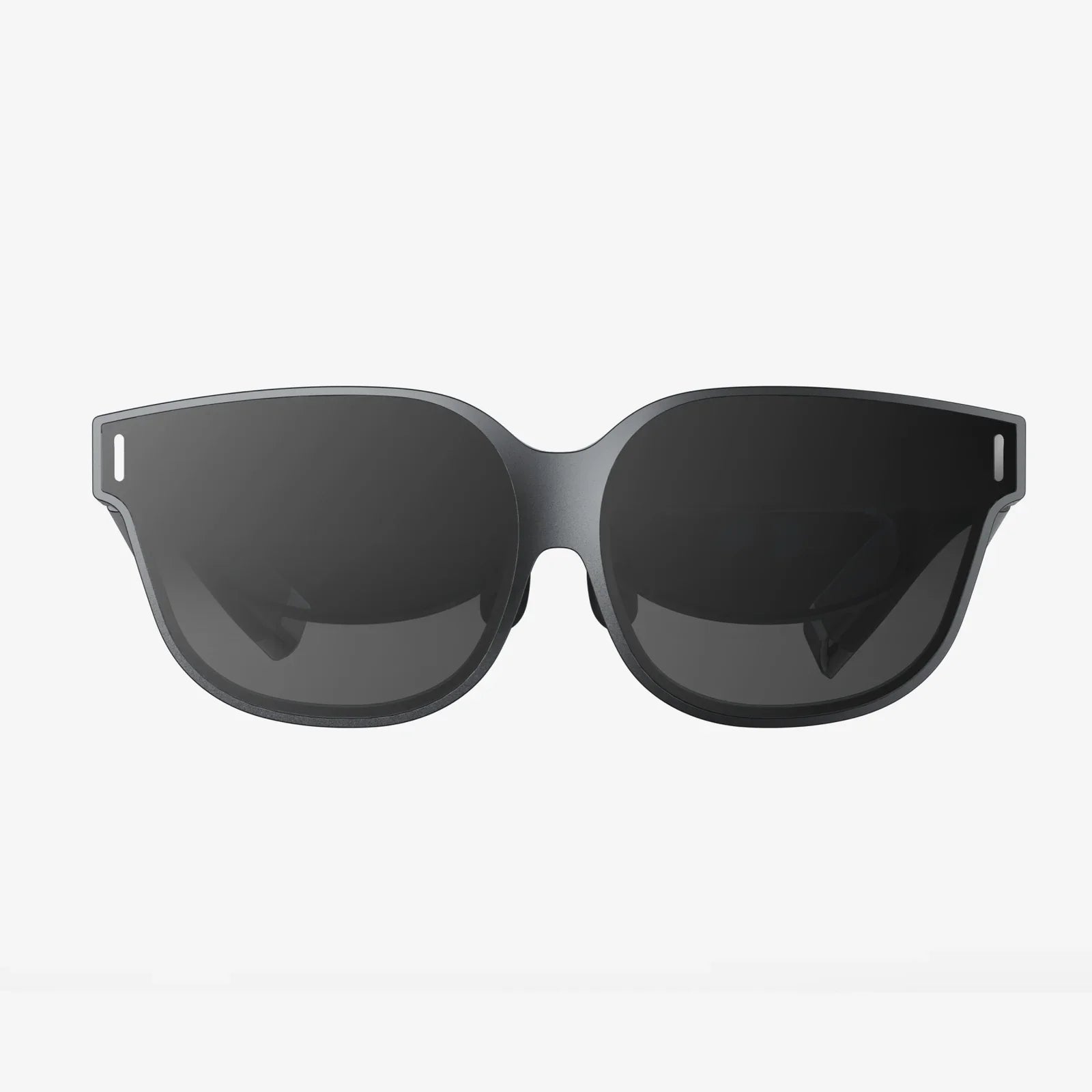
Have you ever found yourself constantly pushing your glasses back up the bridge of your nose, only to have them slide right back down moments later? Or perhaps you’ve ended your day with deep, painful red marks on the sides of your nose, a telltale sign of an ill-fitting frame. For millions of glasses wearers, these daily frustrations are an accepted, albeit annoying, part of life. But what if the secret to ending this cycle of discomfort wasn't in the frame itself, but in two tiny, often overlooked components? The quest for the perfect pair of glasses is a deeply personal journey, one that hinges on a precise and comfortable fit. While much attention is paid to lens technology, frame material, and aesthetic design, the humble nose pad is the unsung hero of eyewear ergonomics. This article delves into the world of adjustable nose pads for glasses, exploring their profound impact on comfort, health, and performance, and revealing why they might just be the most critical feature your next pair of frames can offer.
The Anatomy of Discomfort: Why Standard Nose Pads Fall Short
To understand the revolution of adjustability, we must first examine the problem it solves. Traditional, fixed nose pads are integrated directly into the frame's design, typically molded from the same plastic as the rest of the front piece. While this creates a seamless, minimalist look, it presents a significant ergonomic challenge: the one-size-fits-all approach. Human anatomy is wonderfully diverse, and the bridge of the nose is no exception. The height, width, angle, and contour of this central facial feature vary dramatically from person to person.
A fixed nose pad is designed for an average nose shape. For anyone whose nasal bridge deviates from this statistical norm—which is almost everyone—the result is a compromised fit. The points of contact are often too narrow or too wide, the angle is incorrect, or the curvature doesn't match the unique topography of the wearer's nose. This misfit leads to a cascade of common complaints:
- Pressure Points: The entire weight of the glasses is distributed across two small, rigid areas. Over time, this concentrated pressure can cause skin irritation, redness, and even the formation of permanent indentations.
- Slippage: If the angle of the pads doesn't match the slope of the nose, gravity takes over. Glasses constantly slide down, especially during physical activity or in warmer weather when perspiration reduces friction.
- Improper Alignment: The optical center of the lenses must align precisely with the wearer's pupils for optimal vision. Ill-fitting nose pads can cause the glasses to sit too high, too low, or at a tilt, forcing the eyes to strain and leading to headaches and blurred vision.
- General Discomfort: The persistent awareness of an object pressing uncomfortably on the nose can be a major distraction, hindering concentration and diminishing the overall wearing experience.
The Engineering of Comfort: How Adjustable Nose Pads Work
Adjustable nose pads represent a fundamental shift in eyewear design philosophy—from passive acceptance of fit to active customization. Unlike their fixed counterparts, these systems are engineered for micro-adjustment. The core components typically include:
- The Pad Arm: A small metal wire, often made from a flexible yet durable alloy like nickel titanium, that connects the nose pad to the frame. This arm is the key to adjustability.
- The Pad Itself: The part that makes contact with the skin. These are usually made from a soft, hypoallergenic silicone or a pliable plastic. Their design is often contoured and textured to maximize surface area and grip.
- The Mounting Point: The socket on the frame where the pad arm is securely anchored, allowing it to pivot and be positioned.
The magic lies in the malleability of the pad arm. Using simple tools, often provided by an optician, these arms can be carefully bent and shaped. This allows for three-dimensional customization:
- Vertical Height: The pads can be raised or lowered to ensure the wearer is looking through the correct segment of a progressive or bifocal lens, or simply to center single-vision lenses perfectly.
- Width (Splay): The distance between the two pads can be increased or decreased to match the exact width of the wearer's nasal bridge, ensuring the weight is evenly distributed.
- Angle and Tilt: The angle of each pad can be independently adjusted to conform perfectly to the asymmetrical slopes of the nose, eliminating rocking and stabilizing the frame.
This level of customization transforms the relationship between the glasses and the face. Instead of the wearer adapting to the glasses, the glasses are meticulously tailored to the wearer.
Beyond Comfort: The Multifaceted Benefits of a Perfect Fit
While the primary advantage of adjustable nose pads is undeniably comfort, the benefits extend far beyond simply feeling good on your face. A properly fitted pair of glasses, achieved through precise nose pad adjustment, has profound implications for optical performance, long-term health, and even frame longevity.
1. Enhanced Visual Acuity and Reduced Eye Strain
Eyeglass lenses are precision-ground optical instruments. Their effectiveness is entirely dependent on their position relative to the eyes. If glasses slip down the nose by even a few millimeters, the user is no longer looking through the optical center of the lens. This forces the eye muscles to work harder to compensate, leading to symptoms of eye strain such as headaches, blurred vision, dry eyes, and neck pain. Adjustable nose pads lock the lenses into their ideal position, ensuring consistent, crystal-clear vision throughout the day and preventing the fatigue associated with constantly searching for the "sweet spot."
2. Prevention of Skin and Tissue Damage
The persistent pressure from ill-fitting frames does more than cause temporary red marks. Over many years, this constant compression can break down the soft tissue and cartilage on the bridge of the nose. In severe cases, it can lead to a condition known as nasal bridge necrosis, where the skin breaks down and becomes damaged. The soft, pliable nature of adjustable silicone pads, combined with their ability to distribute weight over a larger, perfectly conforming area, drastically reduces point pressure. This protects the delicate skin on the nose from irritation, allergic reactions (common with some metal alloys), and long-term damage.
3. Stability and Security During Activity
For active individuals or those with physically demanding jobs, slipping glasses are more than an annoyance—they are a safety hazard. Whether you're bending over, looking down, or simply moving quickly, secure eyewear is essential. A well-adjusted pair of nose pads acts like a custom-built foundation, gripping the nose firmly without excessive pressure. This stability provides immense confidence, allowing wearers to go about their day without a second thought to their glasses. It's a feature particularly valued by athletes, tradespeople, and anyone with an on-the-go lifestyle.
4. Extended Lifespan of Your Eyewear
It may seem counterintuitive, but the constant slipping and sliding of poorly fitted glasses accelerates wear and tear. The repeated friction can prematurely loosen the hinges. The uneven pressure on the frame can cause it to warp over time. People often develop a habit of pushing their glasses up by the lenses, which can scratch the coatings or even crack the lenses themselves. A secure fit eliminates the need for constant adjustment and ensures the frame is under balanced, minimal stress, helping your investment last significantly longer.
The Art of the Adjustment: Professional Fitting vs. DIY
While the concept of bending a small wire seems simple, achieving a perfect, symmetrical fit is a skill honed through training and experience. This raises the important question: should you adjust your own nose pads?
The Case for a Professional Optician: An optician is trained to understand the intricate relationship between frame fit, facial anatomy, and optical performance. They use specialized, calibrated tools to make minute adjustments without damaging the fragile pad arms or the frame's finish. They can assess the fit from multiple angles, ensure the glasses are level, and confirm that the optical centers are aligned with your pupils. For a new pair of glasses or a significant readjustment, a professional fitting is highly recommended and is often a free service provided where you purchased your eyewear.
cautious DIY Approach: For minor tweaks between visits, a careful DIY approach is possible, but it requires patience and the right technique. Crucially, you should only use tools designed for the purpose, like a non-marring nylon-tip adjustment tool. Never use pliers, which can scratch the metal, weaken it, or snap it entirely. The key is to make tiny, incremental adjustments, testing the fit frequently. Bend both sides equally to maintain symmetry. The goal is gentle persuasion, not forceful bending.
Choosing Your Frames: What to Look For
Not all frames with adjustable nose pads are created equal. When shopping for your next pair, pay close attention to the quality of the nose pad system.
- Material Quality: Look for soft, high-quality silicone pads. They should feel supple and not overly rigid. The pad arms should be made from a flexible, springy metal that feels robust, not flimsy.
- Size and Shape: Larger pads generally distribute weight more effectively than very small ones. The shape should be anatomically designed to cradle the nose.
- Ease of Replacement: Over time, silicone pads can yellow or harden. Check if the pads are easily replaceable. Most opticians can swap them out quickly and inexpensively.
- Overall Integration: The system should feel like a cohesive part of the frame's design, not an afterthought. The mounting points should be secure with no wiggle.
Don't be afraid to ask the optician to demonstrate the adjustability and explain the features of the nose pad system before you make a purchase. It is a critical component of your comfort.
Imagine a world where your glasses feel like a natural extension of your body—so light and secure you forget you're wearing them. A world where headaches from eye strain are a distant memory and red marks on your nose are a forgotten relic. This isn't a futuristic fantasy; it's an achievable reality, unlocked by the meticulous engineering of two small, adjustable components. The pursuit of the perfect pair of glasses is a quest for clarity, both visual and physical. By prioritizing the advanced ergonomics of adjustable nose pads, you are not just choosing a feature; you are choosing a commitment to all-day comfort, unparalleled stability, and optical perfection. It’s time to stop pushing up your glasses and start experiencing the flawless fit you truly deserve.
Share:
AR Glasses for Coding: The Future of Immersive Development is Here
Ultra Wide Touch Screen: The Gateway to Unprecedented Digital Real Estate