


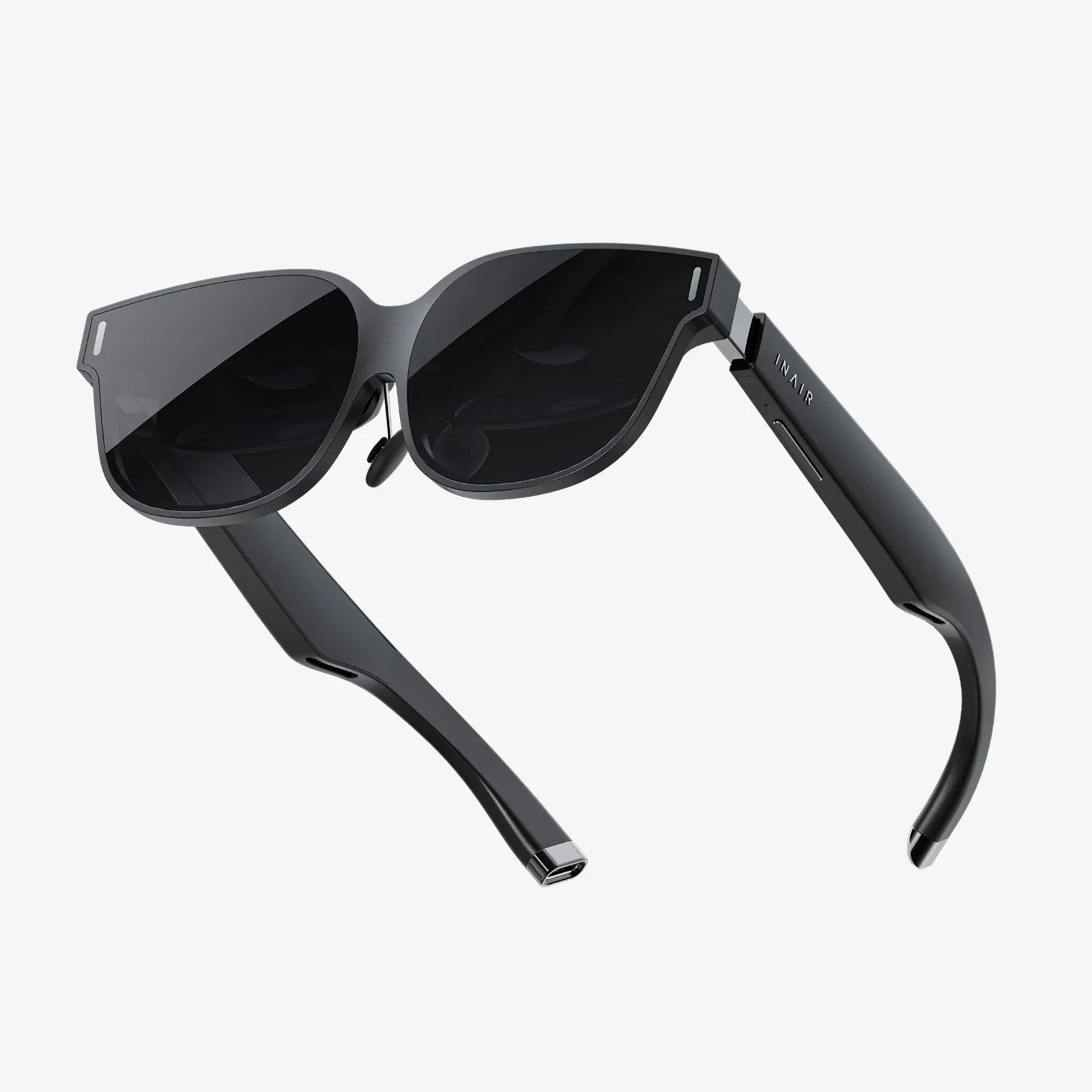
Have you ever slipped on a pair of glasses and felt an immediate sense of relief, a perfect balance where the frames seem to disappear on your face? Or perhaps you’ve experienced the opposite: the constant slide down your nose, the painful pressure points, the distracting readjustment every few minutes. The difference between these two realities often hinges on a tiny, frequently overlooked component: the adjustable nose pad. This unassuming feature is the cornerstone of custom-fit comfort, a masterpiece of ergonomic design that transforms a mass-produced object into a personal accessory tailored uniquely to you.
The Anatomy of Discomfort: Why a One-Size-Fits-All Approach Fails
Every human face is a unique topographic map of bone structure, skin texture, and soft tissue. The bridge of the nose, where glasses bear their weight, exhibits staggering variation. Some possess a high, pronounced bridge; others have a low or flat bridge. There are narrow noses, wide noses, and asymmetrical noses. For decades, the eyewear industry struggled with this diversity, often relying on rigid, molded nose bridges integrated directly into the frame. This approach forced the wearer to conform to the glasses, not the other way around, leading to a host of common complaints.
Ill-fitting glasses without proper nose support create a cascade of problems. The most obvious is slippage. As we talk, eat, or simply move, glasses gradually slide down, forcing us to push them back up constantly—a nervous tic known as "spectacle chorea." This is more than an annoyance; it disrupts our field of vision, requiring our eyes to constantly refocus through the optical centers of the lenses, which can lead to eye strain and headaches.
Then there is the issue of pressure. Fixed nose bridges distribute weight unevenly. They can dig into the sides of the nose, creating painful red marks and even causing skin breakdown over time. For those who wear their glasses all day, this discomfort becomes a persistent background noise, reducing productivity and overall well-being. Furthermore, poor fit affects stability. Frames that are too loose or unbalanced are more likely to be knocked off or damaged during physical activity. They also allow more light to enter from the sides and top, causing glare and reducing the effectiveness of certain lens treatments.
The Engineering Marvel: How Adjustable Pads Work Their Magic
Adjustable nose pads are a deceptively simple solution to this complex problem. They are a system comprised of three key elements: the pad itself, the metal arm (or yoke), and the mounting. The pads are typically made from a soft, hypoallergenic silicone or a flexible plastic compound that provides grip and comfort against the skin. These are attached to a small, pliable metal arm that allows for movement in multiple directions.
The true genius lies in the adjustability of this metal arm. An optician or the wearer themselves can carefully bend these arms to achieve a perfect, custom fit. This adjustment process is a precise art, targeting three key dimensions:
- Distance: The space between the two pads can be widened or narrowed to match the unique width of the wearer's nose, ensuring the weight of the frames is distributed evenly across both sides.
- Angle: The tilt of the pads can be modified to follow the contour of the nose bridge perfectly, maximizing surface contact and eliminating pressure points.
- Height: The pads can be raised or lowered to position the glasses at the correct height relative to the wearer's pupils, ensuring optimal optical performance.
This micro-adjustability means that a single frame can be made to fit a vast range of facial structures comfortably and securely. It acknowledges individuality and provides a tool to cater to it.
Beyond Comfort: The Health and Optical Benefits of a Perfect Fit
While the comfort provided by adjustable nose pads is their most immediate benefit, their importance extends far deeper into the realms of health and optical precision. A properly fitted pair of glasses is not merely an accessory; it is a medical device designed to correct vision.
The optical center of a lens is calibrated based on the assumption that the lens will sit at a specific distance from the eye. If glasses slip down your nose, your pupils are no longer aligned with these centers. Your eyes are forced to work harder to see clearly through the wrong part of the lens, leading to significant eye strain, blurred vision, and headaches. This is especially critical for individuals with strong prescriptions or progressive lenses, where the alignment must be exact. Adjustable nose pads lock the glasses in the precise position prescribed by the eye care professional, safeguarding the integrity of your vision correction.
From a dermatological perspective, they prevent skin irritation and pressure sores. The soft, flexible material of the pads cushions the nose, while their adjustable nature prevents them from pinching or digging in. This is crucial for individuals with sensitive skin or conditions like rosacea. For those who wear their glasses for extended periods, from the first morning light to the last evening read, this daily comfort is not a luxury—it is a necessity.
A Solution for Every Face: Addressing Specific Needs
The versatility of adjustable nose pads makes them indispensable for solving specific, common fitting challenges.
- Low or Flat Nasal Bridges: This is perhaps their greatest triumph. Individuals with low bridges have historically struggled with glasses, as standard frames would sit on their cheeks, slide constantly, and offer no support. Adjustable pads can be set to hold the glasses higher and away from the face, creating a secure anchor point that simply doesn't exist with fixed bridges.
- Asymmetrical Faces: Very few people have perfectly symmetrical faces. One eye might be slightly higher than the other, or one side of the nose bridge might be more prominent. Adjustable pads can be fine-tuned independently to compensate for these subtle differences, leveling the glasses so they sit straight and feel even.
- Children and Active Lifestyles: For children whose faces are still growing and changing, the ability to readjust a frame every few months is invaluable. It extends the life of the glasses and ensures they remain comfortable and effective. For athletes or anyone with an active lifestyle, a secure fit is paramount to performance and safety, preventing slips and falls during movement.
The Art of the Adjustment: Professional Fitting vs. DIY
While the arms of adjustable nose pads are designed to be bent, there is a significant art to doing it correctly. A professional fitting by a licensed optician is always recommended. They have the training and tools to make precise, symmetrical adjustments without damaging the frame. They will measure your pupillary distance, assess the frame alignment on your face, and make micro-adjustments you might not even see to achieve a balance you will definitely feel.
If you need to make a minor tweak at home, extreme caution is advised. Use your fingers and apply gentle, steady pressure. Never use pliers or other metal tools, as they can scratch the metal, crack the solder joint, or apply too much force and snap the arm. The goal is a gentle bend, not a sharp crease. Remember, the metal can fatigue with repeated bending, so it's best to get it right in one or two careful attempts.
Material Science: The Evolution of Comfort and Grip
The humble nose pad has evolved significantly. Early versions were often made from hard plastic or even metal, which offered adjustability but little comfort. Today’s silicone pads are a marvel of material science. They are soft and pliable to prevent pressure, yet firm enough to provide support. Their slightly tacky texture increases friction against the skin, reducing slippage from natural oils or sweat. Many are also designed with ventilation channels to allow air to circulate, reducing heat buildup and moisture, which further enhances comfort during long wear.
Caring for Your Adjustable Nose Pads
To ensure longevity and hygiene, simple care is required. Over time, sweat, skin oils, and debris can accumulate on the pads, reducing their grip and potentially irritating the skin. It is good practice to clean them regularly. When you clean your lenses, use a mild soap and water to gently wipe the pads, removing any buildup. Avoid harsh chemicals that can break down the silicone. Periodically, check the pads for signs of wear, such as discoloration (often a greenish tint from oxidized metal), hardening, or cracking. Most adjustable nose pads are replaceable, and an optician can easily swap out old pads for new ones, restoring like-new comfort to an older frame.
Imagine a world where your eyewear feels so natural and secure that you forget it's even there. A world free of constant pushing, painful red marks, and the headaches born of misaligned lenses. This isn't a distant fantasy; it's the everyday reality made possible by the meticulous engineering of adjustable nose pads. This tiny feature is the final, crucial step in the journey of eyewear, transforming a precision optical instrument into a seamless extension of yourself, empowering you to see the world clearly and comfortably, without a second thought.
Share:
The AR Glasses Industry: Shaping a New Reality for Business and Society
Adjust Window: The Unseen Art of Shaping Your Worldview and Environment