


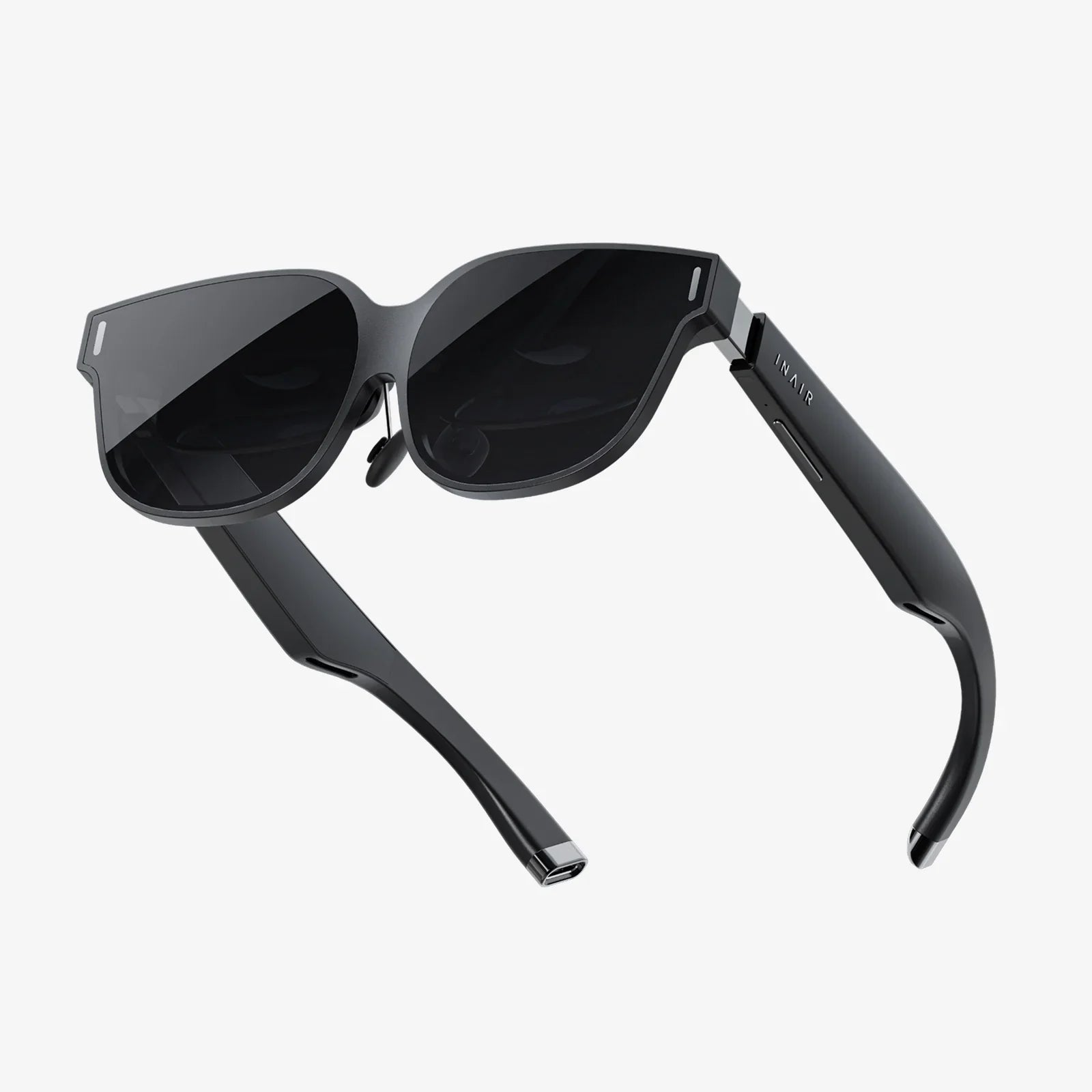
Imagine a world where your sunglasses do more than just shield your eyes from the sun; they adapt to your every need, learn from your environment, and become a seamless extension of your personal style and vision. This is no longer the stuff of science fiction but the tangible reality ushered in by the advent of adjustable smart sunglasses. This groundbreaking convergence of optical science, materials engineering, and digital connectivity is poised to redefine our relationship with eyewear, offering an unprecedented level of personalization and functionality that was unimaginable just a decade ago.
The Core of Customization: How Adjustable Technology Works
At the heart of adjustable smart sunglasses lies a suite of sophisticated technologies working in concert to deliver a truly bespoke visual experience. Unlike traditional sunglasses with a fixed tint, these devices are dynamic.
The most prominent feature is often electrochromic lenses. These lenses are coated with a special material that changes its transparency when a small electrical current is applied. Through a companion smartphone app or intuitive onboard controls, the wearer can instantly dial the tint from a virtually clear, light state—perfect for overcast days or moving indoors—to a deep, dark shade that rivals the best traditional sunglasses for bright, glaring conditions. This eliminates the need to carry multiple pairs of glasses for different lighting scenarios.
Beyond simple tint adjustment, some advanced models incorporate programmable zones. This allows for different parts of the lens to be tinted to varying degrees. For instance, the upper portion could be darkened to block overhead sun, while the lower section remains lighter for viewing a instrument panel or a smartphone screen without having to remove the glasses.
Beyond Shade: The "Smart" Features Redefining Eyewear
While adjustability is a marvel, it is the "smart" capabilities that truly elevate these devices into a new category of wearable technology.
- Integrated Audio: High-fidelity, minimalist speakers are seamlessly embedded within the temples, providing a private soundscape for music, podcasts, or taking calls. Unlike earbuds, they leave the ear canal open, allowing users to remain aware of their surroundings—a critical feature for cyclists, runners, and urban commuters.
- Environmental Sensors: Miniaturized sensors can monitor ambient light levels to suggest or automatically trigger the optimal tint. More advanced versions include UV sensors, providing real-time data on exposure levels, and even air quality sensors, alerting the wearer to pollutants.
- Connectivity and Control: Bluetooth connectivity is standard, tethering the sunglasses to a digital ecosystem. This enables features like voice assistant integration, touch-sensitive temple controls for managing audio and calls, and seamless pairing with other devices.
- Heads-Up Display (HUD): The frontier of smart sunglasses technology is the integration of micro-displays that project information directly onto the lens. Imagine navigation arrows laid over the road ahead, real-time performance metrics for athletes, or caller ID information appearing discreetly in your periphery, all without needing to look down at a device.
A Vision for Every Lifestyle: Applications Across the Board
The versatility of adjustable smart sunglasses makes them a powerful tool for a diverse range of activities and professions.
For the outdoor enthusiast and athlete, they are a game-changer. Cyclists and runners can enjoy their music while staying aware of traffic, with lenses that automatically adapt to the dappled light of forest trails or the open glare of a beachfront path. Anglers can spot fish more easily by reducing surface glare on the water with a specific polarization setting, all while taking a hands-free call.
In a professional context, the benefits are equally compelling. Architects and engineers on construction sites can move from bright outdoor sites to dimly lit interiors without losing visual clarity. For drivers, especially those who log long hours, adaptive lenses can reduce eye strain from constantly shifting light conditions, while integrated audio provides entertainment and communication without distraction.
Even for everyday urban life, the convenience is profound. Commuting becomes less of a hassle as the glasses adapt to the sun's angle during your journey. The seamless blend of audio and sun protection creates a personalized bubble of focus and comfort amidst the chaos of city life.
Navigating the Challenges: Privacy, Power, and Design
As with any emerging technology, adjustable smart sunglasses face their own set of challenges that manufacturers must navigate thoughtfully.
Privacy concerns are paramount, especially for models equipped with cameras or microphones. The discreet nature of sunglasses raises valid questions about recording and data collection. Transparent user policies, obvious recording indicators, and robust data encryption are non-negotiable features for building consumer trust.
Battery life is another critical consideration. Powering electrochromic lenses, audio components, sensors, and connectivity requires energy. The best designs prioritize efficiency, offering all-day battery life and convenient charging solutions, often via magnetic or wireless charging cases that double as protection.
Finally, there is the challenge of aesthetics and form factor. The greatest technology is useless if people do not want to wear it. The successful evolution of this category hinges on designers who can elegantly integrate technology without creating bulky, awkward, or aesthetically unappealing frames. The goal is to make the technology invisible, allowing the style and comfort of the sunglasses to remain the primary focus.
The Future is Clear: What Lies Ahead for Smart Eyewear
The trajectory of adjustable smart sunglasses points toward even deeper integration of technology into our visual field. We are moving towards a future where augmented reality (AR) becomes a standard feature, overlaying a digital layer of information onto our physical world in a useful and contextually relevant way.
Advancements in biometric sensing could see future models capable of monitoring health metrics like heart rate, blood oxygen levels, or even signs of fatigue, providing valuable feedback for athletes and health-conscious individuals alike. Furthermore, as artificial intelligence becomes more sophisticated, our sunglasses could evolve from passive tools to active assistants, anticipating our needs based on our schedule, location, and habits—suggesting a darker tint as we step into the sun or queuing up a podcast for our regular morning walk.
The potential for personalized vision correction is also immense. Imagine a single pair of glasses that not only protects you from the sun and connects you to your digital life but also dynamically adjusts its prescription to match your changing visual acuity throughout the day or in different focusing scenarios.
We are standing at the precipice of a new era in personal technology, one that moves beyond the screen in our hands and integrates seamlessly into our line of sight. Adjustable smart sunglasses are the vanguard of this shift, offering a glimpse into a future where our tools are not just smart but are perceptive, adaptive, and intimately personalized. They promise not just to change how we see the light, but to fundamentally enhance how we see and interact with the world itself.
Share:
How Much Are Android XR Glasses? A Deep Dive into Pricing and Value
Augmented Reality Instruction Manual: Revolutionizing How We Learn and Assemble