


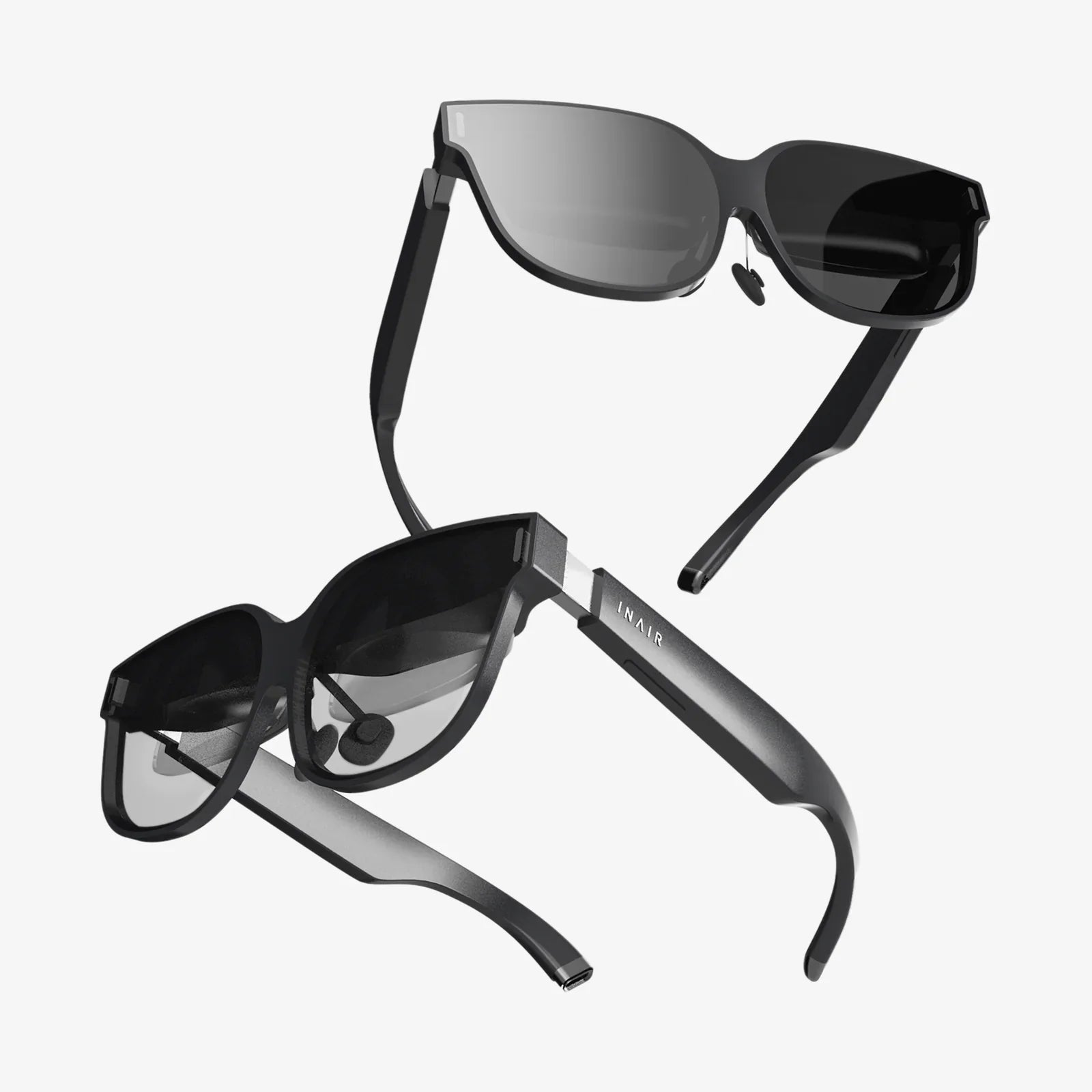
Imagine settling into your favorite chair, putting on a pair of headphones, and being instantly immersed in a crystal-clear, multi-channel audio soundscape from a source across the room—with no wires in sight. Or picture a business meeting where a 4K presentation is effortlessly beamed to a large display from a pocket-sized device, with zero lag or compression artifacts. This isn't a glimpse into a distant future; it is the tangible reality being built today by the rapid evolution of advanced stream wireless technology. This silent revolution is moving beyond simple convenience, fundamentally altering our relationship with content, devices, and each other by making high-fidelity, real-time digital experiences truly ubiquitous and unshackled.
The Foundation: More Than Just "No Wires"
At its core, advanced stream wireless is the high-performance transmission of synchronized digital data—audio, video, or a combination of both—over a radio frequency (RF) connection. It is a significant leap from the basic Bluetooth connections of the past, which were often plagued by latency, audio-video sync issues, and compromised quality. The "advanced" prefix signifies a suite of technological innovations working in concert to overcome these historical limitations.
Key Technological Pillars
The magic of seamless wireless streaming rests on several critical pillars:
1. High-Throughput Codecs and Low-Latency Protocols
This is the heart of the matter. Modern proprietary and open-source codecs are engineered specifically for wireless environments. They employ sophisticated data compression algorithms that are far more efficient than their predecessors. Instead of simply chopping data down to size, these codecs use psychoacoustic and psychovisual models to discard data that the human ear and eye are least likely to perceive, preserving perceived quality while drastically reducing bandwidth requirements. Coupled with these codecs are new protocols that minimize transmission delay, often achieving latencies well under 30 milliseconds. This is crucial for applications like gaming, live performance, and video conferencing, where even a slight delay between action and reaction becomes disorienting and disruptive.
2. Robust Radio Frequency Management
The modern wireless spectrum, especially the popular 2.4 GHz and 5 GHz bands, is a crowded and noisy environment, filled with Wi-Fi networks, other Bluetooth devices, and various signals. Advanced systems use intelligent frequency hopping and adaptive frequency selection to navigate this chaos. They can automatically detect interference on a specific channel and instantly switch to a clearer one without dropping the connection. Furthermore, the use of wider channels and techniques like MIMO (Multiple-Input Multiple-Output) allows for a greater data pipe, enabling the transmission of high-resolution, lossless audio and video streams that were previously impossible to deliver wirelessly without compromise.
3. Multi-Device Ecosystems and Synchronization
True advancement is seen in the ability to manage not just one stream, but multiple simultaneous streams to various devices. A single transmitter can send a unique audio channel to left and right earbuds independently while maintaining perfect synchronization between them—a non-trivial feat. This extends to multi-room audio systems, where the same stream is sent to speakers throughout a home, all perfectly in sync so the music flows from room to room without echo or delay. This requires incredibly precise timekeeping and network management at a microsecond level.
The Audible and Visible Difference: Applications Unleashed
The technical jargon translates directly into profound user experiences across numerous domains.
Revolutionizing Personal Audio
The most immediate impact for consumers is in the realm of personal audio. High-resolution wireless audio is no longer an oxymoron. Listeners can now experience studio-quality, lossless music from their mobile devices through wireless headphones, hearing nuances and details that were once erased by compression. The elimination of latency also means wireless gaming with immersive soundscapes where the crack of a gunshot is perfectly synced with the visual muzzle flash, and video watching without the distracting lip-sync error that plagues cheaper wireless products.
Transforming Home Entertainment and Workspaces
The entertainment center is shedding its snakes' nest of cables. Advanced stream wireless technology allows for clean, minimalist setups where soundbars, subwoofers, and surround speakers connect to the main media source invisibly, delivering cinematic audio without the hassle of running wires under carpets or through walls. In the modern hybrid workplace, conference rooms are being retrofitted with wireless presentation systems. Participants can share content from their laptops, tablets, or phones to the main display with a single click, fostering a more dynamic and collaborative meeting environment free from the fumbling of dongles and HDMI cables.
Empowering Content Creators and Performers
For creators, this technology is liberating. Musicians and podcasters can use high-fidelity wireless microphones and monitoring systems, allowing them to move freely on stage or in the studio without sacrificing audio quality. Filmmakers can utilize wireless video transmission systems to send a clean, uncompressed feed from the camera to a director's monitor, enabling real-time decision-making without being tethered to the operator. The reliability and quality of these systems have reached a point where they are trusted in professional, mission-critical environments.
Navigating the Invisible Challenges
Despite the incredible progress, the path to a perfectly wireless world is not without its obstacles. The primary challenge remains the crowded radio spectrum. As more devices rely on wireless data transmission, the potential for interference increases. While adaptive frequency technology helps, it is an endless game of cat and mouse. Security is another paramount concern. Transmitting high-value audio or video signals wirelessly requires robust encryption to prevent eavesdropping or interception, especially in corporate or confidential settings.
Furthermore, the industry's movement towards proprietary standards, while driving innovation, risks creating fragmentation. Consumers may find themselves locked into specific ecosystems where devices from different manufacturers do not communicate with the same level of performance or feature parity. The push for interoperability through standards will be a key theme in the coming years.
The Future is Unplugged and Unbound
The trajectory of advanced stream wireless points toward even greater integration and intelligence. We are moving towards context-aware environments where your personal audio space moves with you from room to room, handed off seamlessly between different speakers and devices. The next frontier is the wireless transmission of high-fidelity sensory data for augmented and virtual reality, requiring massive bandwidth and ultra-low latency to create convincing and comfortable immersive experiences without the constraint of a tether.
Research into new areas of the spectrum, like millimeter-wave, promises even greater data capacity, potentially enabling wireless versions of connections that today seem unimaginable without a fiber-optic cable. The line between wired and wireless performance will continue to blur, eventually fading away altogether. The goal is not just to replicate the wired experience, but to surpass it by enabling new forms of interaction and experience that physical cables could never allow.
We stand at the precipice of a truly cord-free era, not defined by what we've lost in the transition from copper and fiber, but by what we've gained: unparalleled freedom, flexibility, and clarity. The wires that have defined the architecture of our digital lives for decades are beginning to vanish, and in their place, an invisible tapestry of instant, high-fidelity connection is being woven, ready to reshape our reality in ways we are only beginning to understand.
Share:
Enhancing Our Lives with Immersive Virtual Reality: A New Dawn for Human Experience
Create Virtual Reality Environment: A Comprehensive Guide to Building Immersive Digital Worlds