


- by wangfred
Advanced Wearable Technology: The Unseen Revolution Reshaping Our Daily Lives
- by wangfred
Imagine a world where your watch doesn't just tell time but tells you about your health; where your glasses don't just correct your vision but augment your reality; where a subtle patch on your skin can detect disease before you feel a single symptom. This is no longer the realm of speculative fiction. Advanced wearable technology is here, weaving itself into the very fabric of our daily existence, promising a future of unprecedented personal insight and proactive well-being. We stand at the precipice of a silent revolution, one that is quietly transforming how we understand ourselves and interact with the world around us.
The journey of wearables began with rudimentary pedometers and heart rate monitors, often clunky and single-purpose. Today, the landscape is radically different. Advanced wearable technology has shattered the confines of the wrist, evolving into a diverse ecosystem of devices designed for seamless integration.
We now see smart rings, elegant and discreet, packing electrocardiogram (ECG) sensors and sleep trackers into a form factor worn for a lifetime. Smart clothing, with conductive fibers woven directly into textiles, monitors muscle activity, posture, and breathing patterns during athletic performance or physical rehabilitation. Adhesive biosensor patches, almost invisible against the skin, provide clinical-grade, continuous monitoring of vital signs like glucose levels, core body temperature, and hydration for patients in hospitals and at home, transmitting data effortlessly to healthcare providers.
Perhaps the most significant leap is in advanced hearables. Modern earbuds are equipped with sophisticated inertial measurement units (IMUs) and accelerometers that can detect head movements associated with falls, potentially alerting emergency services for an elderly user. They can also monitor heart rate through the ear canal, a highly vascularized area that provides surprisingly accurate data. This proliferation of form factors signifies a move towards context-aware computing—devices that understand not just what you are doing, but where you are and what you need at that precise moment.
The magic of these devices lies not in their outward appearance but in the sophisticated technology humming within. The core of advanced wearable technology is a suite of miniaturized, highly accurate, and increasingly low-power sensors.
However, raw sensor data is meaningless noise without interpretation. This is where artificial intelligence and machine learning become the true brains of the operation. Vast datasets collected from millions of users train neural networks to recognize patterns and correlations invisible to the human eye. AI can predict the onset of illness like the flu by cross-referencing a slight elevation in resting heart rate with a decrease in heart rate variability and a change in skin temperature. It can analyze sleep stages with greater accuracy, distinguishing between light, deep, and REM sleep to provide actionable insights for improving sleep hygiene. This shift from simple data reporting to predictive and prescriptive analytics is what truly defines the "advanced" in advanced wearable technology.
The most profound impact of this technological revolution is being felt in the world of healthcare. We are moving away from a reactive model—where treatment begins after symptoms appear—towards a proactive, continuous, and deeply personalized system often called the "P4" model: Predictive, Preventive, Personalized, and Participatory.
Advanced wearables are the linchpin of this new paradigm. For chronic disease management, continuous glucose monitors (CGMs) have already revolutionized life for diabetics, freeing them from the constant prick of finger-stick tests and providing a dynamic picture of their glucose levels. Similarly, wearable ECG patches allow for arrhythmia detection over weeks instead of a brief snapshot during a clinical visit, drastically improving diagnostic yield.
In the realm of clinical research, wearables are unlocking new possibilities. Researchers can now conduct decentralized trials, collecting real-world, objective data from participants in their natural environments, leading to more robust and generalizable results. Furthermore, the ability to continuously monitor patients post-discharge from a hospital can reduce readmission rates by catching complications early.
Perhaps the most exciting frontier is in preventive mental health. By analyzing voice patterns for signs of stress or depression, tracking sleep quality, and monitoring physical activity levels, advanced algorithms can flag periods of declining mental well-being and suggest interventions like meditation, contacting a friend, or speaking with a therapist. This moves mental health support from a scheduled appointment to an always-available, data-informed resource.
Beyond health monitoring, advanced wearable technology is beginning to augment human capabilities. This is most evident in two areas: augmented reality (AR) and neurotechnology.
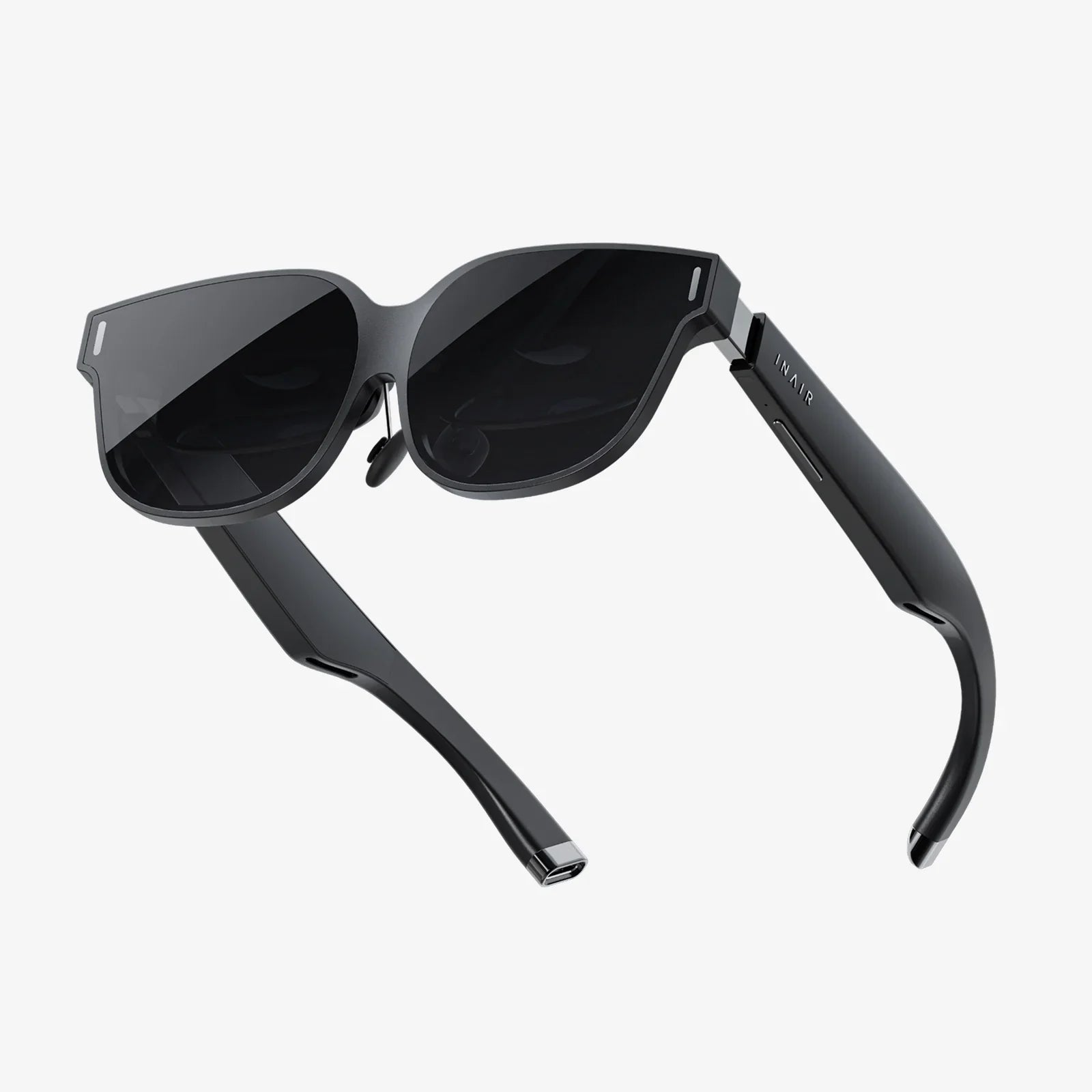
Smart glasses are evolving from niche curiosities into powerful spatial computers. Overlaying digital information onto the physical world has immense potential. For a field technician, AR glasses can display schematics and instructions hands-free, highlighting the exact component that needs repair. For a surgeon, they can project vital signs and 3D anatomical models directly into their field of view during an operation. For a traveler, they can provide real-time translations of street signs and menus. This seamless blending of the digital and physical realms enhances our perception and efficiency.
Even more futuristic are brain-computer interfaces (BCIs). While still largely in developmental phases, non-invasive wearables like headbands that use electroencephalography (EEG) are already being used to measure focus and meditation levels. The long-term goal is to create devices that allow us to control software, prosthetics, or even communicate with our thoughts, offering new freedoms for individuals with physical disabilities and fundamentally expanding the definition of human-computer interaction.
This brave new world of perpetual monitoring and augmentation does not come without significant risks. The very nature of advanced wearable technology—intimate, always-on, and data-hungry—creates a perfect storm of privacy and security concerns.
The data collected is the most personal imaginable: a real-time map of your body, your habits, your health, and your location. Who owns this data? Is it you, the device manufacturer, the software developer, or your insurance company? The potential for misuse is staggering. Without robust regulation, this data could be used for discriminatory pricing in health and life insurance, targeted advertising that preys on health anxieties, or even employee monitoring that penalizes workers for unhealthy behaviors detected outside of work hours.
Data security is another critical vulnerability. A breach of such intimate information would be far more damaging than a stolen password. Furthermore, as devices become more connected and capable of delivering interventions (e.g., adjusting insulin pump dosages), they become potential targets for malicious hacking with real-world physical consequences.
These challenges demand a new ethical framework and stringent legal protections. Transparency in data collection and usage, true user ownership of data, ironclad security protocols, and clear regulations preventing discrimination are not optional extras; they are the essential foundations upon which the trust and future of this entire industry depend.
The trajectory of advanced wearable technology points towards even greater integration and invisibility. The next generation of devices will likely move beyond accessories we put on to technology that is embedded within us or woven into our environment. Think of smart contact lenses that monitor glucose levels through tears, electronic tattoos, or even ingestible sensors.
Battery life, a current limitation, will be solved through innovations in ultra-low-power computing, energy harvesting (scavenging energy from body heat, movement, or ambient light), and perhaps even bio-batteries. The user interface will evolve from touchscreens and apps to more natural interactions using voice, gesture, and ultimately, thought.
The ultimate goal is ambient intelligence: a seamless, invisible technological environment that anticipates our needs and supports our well-being without requiring conscious command or interaction. The device itself will fade into the background, while the insights and benefits it provides will move to the foreground of our lives.
The promise of a healthier, safer, and more capable future is now literally at our fingertips, on our wrists, and in our ears, waiting to be unlocked. The question is no longer if advanced wearable technology will become a central part of the human experience, but how wisely we will choose to wield its extraordinary power.