


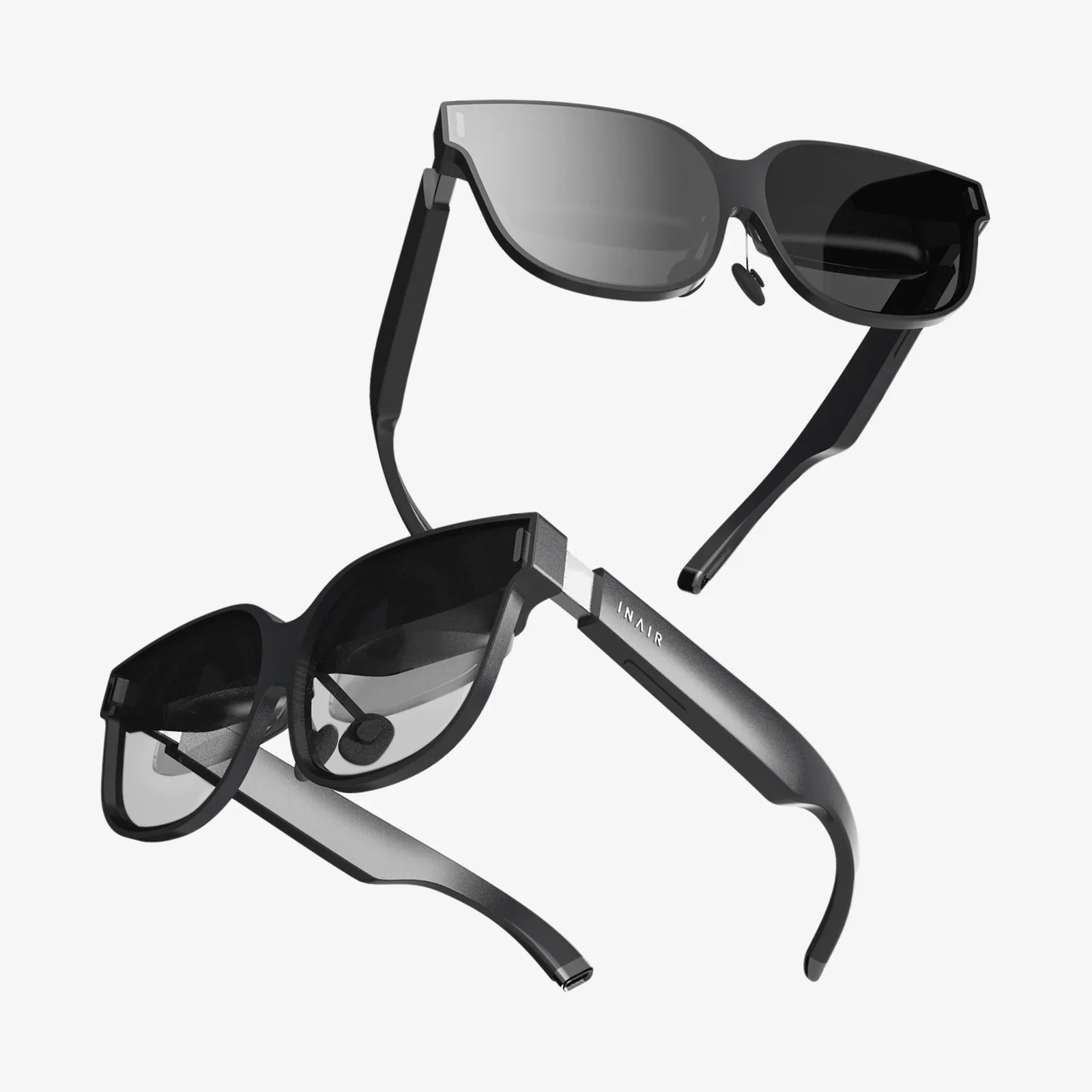
Imagine a world where your watch doesn't just tell time—it tells you you're getting sick before you feel the first sniffle, where your ring can predict a panic attack and guide you through breathing exercises to stop it, and where your clothing can monitor your form during a workout and correct it in real-time. This is not the distant future of science fiction; this is the present reality being forged by the rapid and relentless innovation in advanced wearables. This technological revolution on our wrists, fingers, and bodies is moving us from passive observation to proactive intervention, fundamentally altering our relationship with data, our health, and our own potential.
The Evolution From Simple Trackers to Sophisticated Health Guardians
The journey of wearables began with a simple, almost quaint premise: counting steps. Early devices were pedometers with digital displays, offering a glimpse into daily activity but little else. The first wave of modern wearables introduced basic heart rate monitoring and sleep tracking, but the data was often siloed and difficult to interpret meaningfully. The true leap into advanced territory came with the integration of a suite of sophisticated sensors and the artificial intelligence to make sense of the immense data they generate.
Today's advanced wearables are marvels of micro-engineering. They incorporate optical sensors that use photoplethysmography (PPG) to not only measure heart rate but also gauge blood oxygen saturation (SpO2). Electrocardiogram (ECG) apps can detect atrial fibrillation, a serious heart rhythm condition, from a single-lead reading taken on a device. Bioimpedance sensors measure minute changes in the body's resistance to a tiny electrical current, allowing for estimations of body composition and stress levels through metrics like heart rate variability (HRV). Accelerometers and gyroscopes have become so precise they can now differentiate between swimming strokes, detect specific types of falls, and even measure the subtle tremors associated with neurological disorders.
This sensor fusion—the combination of data from multiple sources—is what separates advanced wearables from their predecessors. It’s no longer about what one sensor sees; it’s about the story all the sensors tell together. By cross-referencing heart rate data with movement and skin temperature, an advanced wearable can more accurately pinpoint the onset of illness or the body's response to excessive stress. This holistic data capture is the foundation for a shift from generalized health tracking to personalized, predictive insights.
The Rise of Predictive and Proactive Health Management
The most profound impact of advanced wearables is arguably in the realm of healthcare. We are witnessing a paradigm shift from a reactive model of medicine—treating illness after it occurs—to a proactive and preventive model. These devices are becoming our first line of defense, offering continuous, longitudinal health monitoring that is impossible to replicate in a once-a-year doctor's visit.
Consider cardiovascular health. Advanced wearables with ECG capabilities empower individuals to take a medical-grade reading anytime they feel palpitations or dizziness, capturing episodic events that a Holter monitor might miss. This data can be shared directly with a physician, facilitating faster diagnosis and treatment. Furthermore, algorithms are now being trained to identify patterns suggestive of hypertension or sleep apnea purely from optical sensor data.
Perhaps the most exciting frontier is in predictive analytics. By establishing a personalized baseline for metrics like resting heart rate, HRV, and skin temperature, these devices can detect significant deviations. A steadily elevated resting heart rate and a depressed HRV can be a strong indicator of physical stress, often preceding a full-blown infection like COVID-19 or the flu. Users can receive alerts suggesting they rest, hydrate, or avoid intense exercise, potentially mitigating the severity of an illness or preventing it altogether. For those managing chronic conditions like diabetes or hypertension, continuous monitoring provides invaluable feedback on how diet, activity, and medication affect their physiology in real-time, enabling more informed daily decisions.
This technology also holds immense promise for mental health. By correlating physiological markers like HRV (a well-established indicator of autonomic nervous system activity) with self-reported mood logs, advanced wearables can help users identify their unique stress triggers. Some devices now offer on-wrist guided breathing sessions that actively work to lower stress by increasing HRV, providing a tangible tool for anxiety management directly from the source of the data.
Transforming the Modern Workplace and Enhancing Safety
Beyond the consumer health market, advanced wearables are making significant inroads into industrial and enterprise settings, where they are being used to enhance safety, improve efficiency, and reduce costly errors. In high-risk environments like construction, manufacturing, and logistics, the well-being of employees is paramount.
Smart safety helmets can monitor for signs of worker fatigue or drowsiness by tracking head movement and alertness patterns, triggering vibrations or alarms to prevent accidents. Wearable tags can detect falls from height or the presence of a worker in a hazardous, unauthorized zone, instantly alerting supervisors to dispatch help. Environmental sensors integrated into wearables can monitor exposure to toxic gases, extreme temperatures, or dangerous noise levels, ensuring compliance with safety regulations and protecting workers from long-term health hazards.
In less hazardous but equally demanding jobs, such as those in logistics warehouses, wearables like smart glasses provide augmented reality overlays that guide workers to inventory locations, display picking instructions, and confirm orders hands-free, dramatically increasing accuracy and efficiency. The data collected on movement patterns and task completion times can also be analyzed to optimize workflows, reduce physical strain, and prevent repetitive stress injuries before they happen. This application transforms the wearable from a simple monitor into an active tool for operational excellence.
The Seamless Integration and the Invisible Interface
A key characteristic of truly advanced wearables is their move towards invisibility and seamless integration into daily life. The goal is to collect rich data without being obtrusive or requiring constant user interaction. This is driving innovation in form factors beyond the wrist.
Smart rings have emerged as a popular alternative for those who want continuous health and sleep tracking without a screen on their wrist. Their smaller size and placement on a finger, which has a strong pulse signal, allow for robust physiological monitoring with minimal distraction. Smart clothing, with sensors woven directly into the fabric, offers an unparalleled platform for biomechanical analysis. Athletes can use smart shirts to monitor muscle activation and running efficiency, while physical therapy patients can use them to ensure they are performing rehabilitation exercises correctly.
Advanced hearables (smart earbuds) are also evolving beyond music playback to incorporate fitness tracking, real-time language translation, and advanced hearing augmentation. The future points towards devices that disappear entirely—stick-on skin patches, sensors embedded in dental retainers, or even smart contact lenses. The less we have to think about the device, the more naturally it integrates into our lives, and the more consistent and valuable the data stream becomes.
Navigating the Challenges: Privacy, Accuracy, and the Human Element
For all their promise, the proliferation of advanced wearables is not without significant challenges. The foremost concern is data privacy and security. These devices collect the most intimate details of our lives: our sleep patterns, our heart rhythms, our location, and even our emotional states. This data is incredibly valuable, not just to us and our doctors, but also to insurers, employers, and advertisers. Robust encryption, transparent data ownership policies, and clear user consent are non-negotiable requirements for the industry to earn and maintain public trust.
Another critical issue is validation and accuracy. While many sensors are classified as medical-grade, the algorithms that interpret the raw data are often developed by technology companies and not always subjected to rigorous clinical validation. A false positive alert about a heart condition can cause immense anxiety, while a false negative could provide a dangerous sense of security. The industry must work hand-in-hand with the medical community to ensure that the insights provided are not only actionable but also accurate and reliable.
Finally, there is the risk of data overload and health anxiety. Constant access to physiological metrics can lead to obsession or misinterpretation of normal variations as problems—a phenomenon sometimes called "cyberchondria." The ultimate goal of these devices should not be to make us slaves to our data, but to provide contextual insights that empower better choices. The human element—the doctor's diagnosis, the personal intuition, the qualitative experience of life—must remain at the center, with wearable data serving as a powerful辅助 tool, not a replacement for human judgment.
The silent alarm on your wrist that suggests you take a mental health break, the ring that confirms your body is fully recovered from its last workout, the shirt that guides your physical therapy—these are the quiet revolutions happening now. Advanced wearables are shedding their identity as mere gadgets and are instead becoming intelligent partners in our lifelong journey of well-being. They are the bridge between the quantified self and the qualified life, offering not just numbers, but meaning; not just alerts, but actionable wisdom. The era of guessing about our health is over; the age of knowing, understanding, and proactively shaping it has just begun.
Share:
Best Companies for Digital Product Optimization: Mastering the Art of Digital Excellence
Best Companies for Digital Product Optimization: Mastering the Art of Digital Excellence