


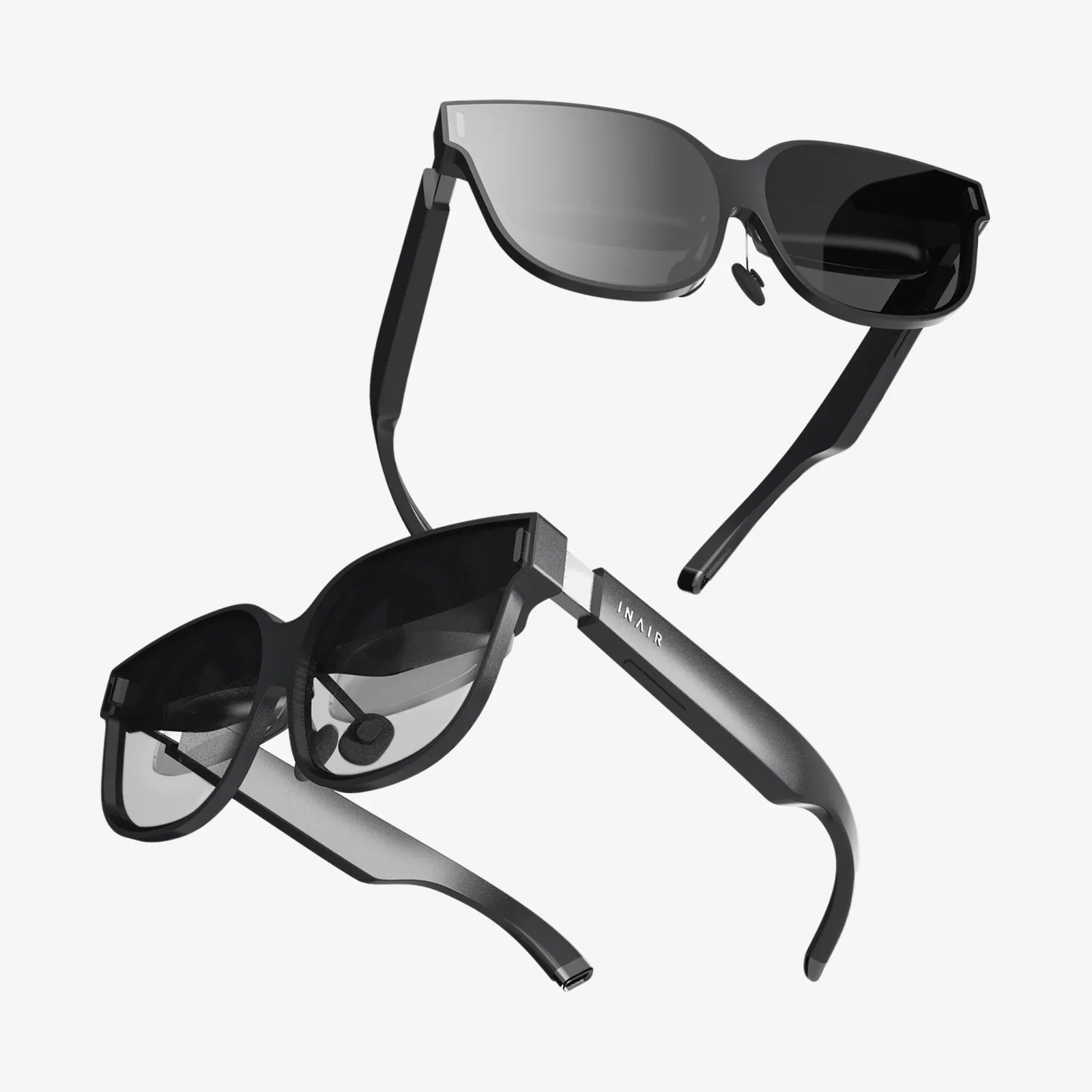
Imagine strapping on a headset and instantly being transported to a surgical operating room, the surface of Mars, or a classroom with students from every corner of the globe. This is no longer the stuff of science fiction; it's the rapidly evolving reality of virtual reality (VR) technology. As this immersive digital frontier expands, it brings with it a torrent of possibilities that promise to revolutionize our lives, alongside a host of challenges that demand our careful consideration. The journey into the virtual is already underway, and understanding its full spectrum of implications is crucial for navigating the future it is building.
The Unmatched Advantages of Virtual Reality
The power of VR lies in its ability to create presence—the convincing feeling of being in another place. This core characteristic unlocks a multitude of advantages across diverse fields, pushing the boundaries of what is possible in training, therapy, and human connection.
Revolutionizing Education and Training
Perhaps the most profound impact of VR is in the realm of learning. Traditional education often relies on abstract concepts and two-dimensional imagery. VR shatters these limitations.
- Immersive Learning: Students can take a virtual field trip to ancient Rome, walking through the Forum and witnessing history unfold around them. They can explore the human body at a cellular level, navigating the bloodstream to understand biology intimately. This experiential learning boosts retention and engagement far beyond textbook reading.
- High-Stakes Skill Development: For industries where mistakes are costly or dangerous, VR offers a perfect training ground. Surgeons can practice complex procedures on virtual patients without any risk. Pilots can navigate emergency scenarios in a flight simulator that feels utterly real. Mechanics can learn to repair new engine models before they even physically exist. This allows for deliberate practice and mastery in a consequence-free environment.
- Democratizing Access: A student in a remote village can have the same educational experience as a student in a well-funded metropolitan school. VR can provide access to resources, experts, and locations that would otherwise be geographically or financially impossible to reach.
Transforming Healthcare and Therapy
The healthcare sector is harnessing VR for both treatment and rehabilitation, with staggering results.
- Exposure Therapy: VR is a powerful tool for treating phobias, anxiety, and Post-Traumatic Stress Disorder (PTSD). Therapists can gradually and safely expose patients to their triggers—such as heights, flying, or crowded spaces—within a controlled virtual environment. This controlled exposure helps patients develop coping mechanisms and reduce their anxiety in the real world.
- Pain Management: Immersive VR experiences have been shown to effectively distract patients from acute and chronic pain. By engaging the brain's visual and auditory senses so completely, VR can reduce the perception of pain, sometimes lessening the reliance on pharmacological painkillers.
- Physical Rehabilitation: Patients recovering from strokes or injuries often find repetitive physical exercises monotonous and demotivating. VR can turn these exercises into engaging games, encouraging patients to complete their therapy regimens. It allows them to visualize their progress and practice real-world movements in a safe space.
Enhancing Remote Collaboration and Social Connection
In an increasingly globalized and remote world, VR offers a new paradigm for interaction that goes beyond video calls.
- The Virtual Workspace: Teams spread across different continents can meet in a shared virtual office. They can collaborate on 3D models, brainstorm on virtual whiteboards, and interact with avatars that convey body language, fostering a sense of togetherness that Zoom calls cannot replicate. This can rebuild the spontaneous 'water cooler' moments lost in remote work.
- Redefining Social Gatherings: Friends and family can gather to watch a movie in a virtual cinema, attend a live concert with digital avatars of each other, or simply hang out in a scenic virtual world, regardless of physical distance. For individuals with mobility issues or social anxiety, this can provide a new, less intimidating avenue for connection.
Unleashing Creativity and Entertainment
VR is a new canvas for artists, filmmakers, and game developers, offering entirely new mediums for expression.
- Next-Generation Storytelling: Instead of watching a story, users can become a part of it. VR films allow the viewer to be an active participant, exploring the environment and choosing where to look, creating a unique and personal narrative experience.
- Immersive Gaming: Video games achieve a new level of depth and intensity in VR. The player is no longer controlling a character on a screen; they are inside the game world. This creates unparalleled adrenaline rushes and emotional connections to the gameplay.
- Architectural and Design Visualization: Architects and interior designers can walk clients through unbuilt homes and spaces. Customers can customize a car or redesign their kitchen in VR, experiencing the scale and flow of a design before a single dollar is spent on construction.
The Significant Disadvantages and Dangers of Virtual Reality
For all its promise, the path of VR is not without serious obstacles. The very immersion that makes it powerful also introduces a host of physical, psychological, and social risks that society is only beginning to grapple with.
Physical and Health-Related Concerns
The human body and brain did not evolve to handle virtual environments, leading to several well-documented issues.
- Cybersickness: A significant number of users experience a type of motion sickness characterized by dizziness, nausea, headaches, and eye strain. This occurs due to a disconnect between the visual system (which perceives motion) and the vestibular system (which feels that the body is stationary). While improvements are being made, it remains a barrier to widespread adoption.
- Visual and Auditory Strain: Prolonged use of headsets can cause eye fatigue, blurred vision, and discomfort. The close proximity of screens and the constant focus demand can be strenuous. Similarly, immersive 3D audio, while impressive, must be carefully calibrated to avoid potential hearing damage or disorientation.
- Physical Hazards: Being blind to the real world while immersed in a virtual one poses obvious risks. Users can easily trip over furniture, walk into walls, or injure themselves by swinging their arms in an uncontrolled manner. This necessitates a clear physical space for safe use, which is not always available.
Psychological and Social Implications
The potential for VR to alter our perception of reality and impact our social fabric is perhaps its most profound danger.
- Reality Blurring and Addiction: The compelling nature of virtual worlds can lead to excessive use, neglect of real-world responsibilities, and social isolation. For some, the virtual world may become preferable to a challenging real life, leading to a form of escapism that hinders personal growth and real-world problem-solving. There is a genuine concern that heavy users may struggle to distinguish between virtual experiences and real memories.
- Desensitization: Repeated exposure to hyper-realistic violent or traumatic scenarios in VR could potentially desensitize individuals. The brain processes immersive VR experiences differently than watching a screen; the emotional and physiological responses are more intense. The long-term impact of this on empathy and behavior is not yet fully understood.
- Identity and Behavioral Changes: The ability to craft any avatar (the Proteus Effect) can be empowering but also confusing. Experimenting with different genders, species, or body types can challenge a user's sense of self. Furthermore, behavior in VR often mirrors behavior in anonymous online spaces, sometimes leading to harassment, bullying, and a lack of accountability that wouldn't occur in face-to-face interaction.
Practical and Ethical Barriers
Beyond the human factor, VR faces significant technological and societal hurdles.
- High Cost of Entry: Quality high-fidelity VR requires powerful computing hardware and expensive headsets. This creates a significant digital divide, limiting access to wealthier individuals, corporations, and institutions and potentially exacerbating existing inequalities in education and opportunity.
- Data Privacy and Security: VR headsets are data collection machines. They can track precise movements of your eyes, hands, and body; record your voice; and map your physical environment. This biometric and behavioral data is incredibly sensitive. The potential for this data to be harvested, sold, or hacked raises massive privacy concerns. It could be used for intrusive advertising, manipulation, or even surveillance.
- Content Regulation and Ethical Design: The industry is still a wild west with little regulation. Establishing ethical guidelines for content, particularly concerning realistic violence, psychological manipulation, and appropriate use for children, is a complex and urgent challenge. The design of VR software itself must be approached with caution to avoid intentionally addictive feedback loops.
Navigating the Virtual Frontier
The future of VR is not a foregone conclusion. It will be shaped by the choices of developers, policymakers, and users. To maximize its advantages and mitigate its disadvantages, a multi-faceted approach is essential. This includes developing stronger ethical guidelines for data collection and content creation, investing in research to understand long-term psychological effects, and improving hardware to minimize physical discomfort. Most importantly, users must approach this technology with mindfulness, balancing their time between the captivating digital worlds and the irreplaceable richness of the physical one. The goal should be to use VR as a tool to enhance our reality, not to escape from it.
The headset is a portal, and what lies on the other side is a reflection of both our greatest ingenuity and our deepest vulnerabilities. The virtual worlds we are building will undoubtedly reshape medicine, create new art forms, and connect us in ways we can barely imagine. Yet, they also hold a mirror to our own reality, challenging us to confront questions about privacy, identity, and what it truly means to be present. The ultimate advantage of virtual reality may be its power to show us not just new worlds, but our own world in a startlingly new light—if we have the courage to look.
Share:
Is Spatial Audio Good for Music? An In-Depth Exploration of Immersive Sound
How Do Virtual Reality Systems Work: A Deep Dive Into The Illusion