


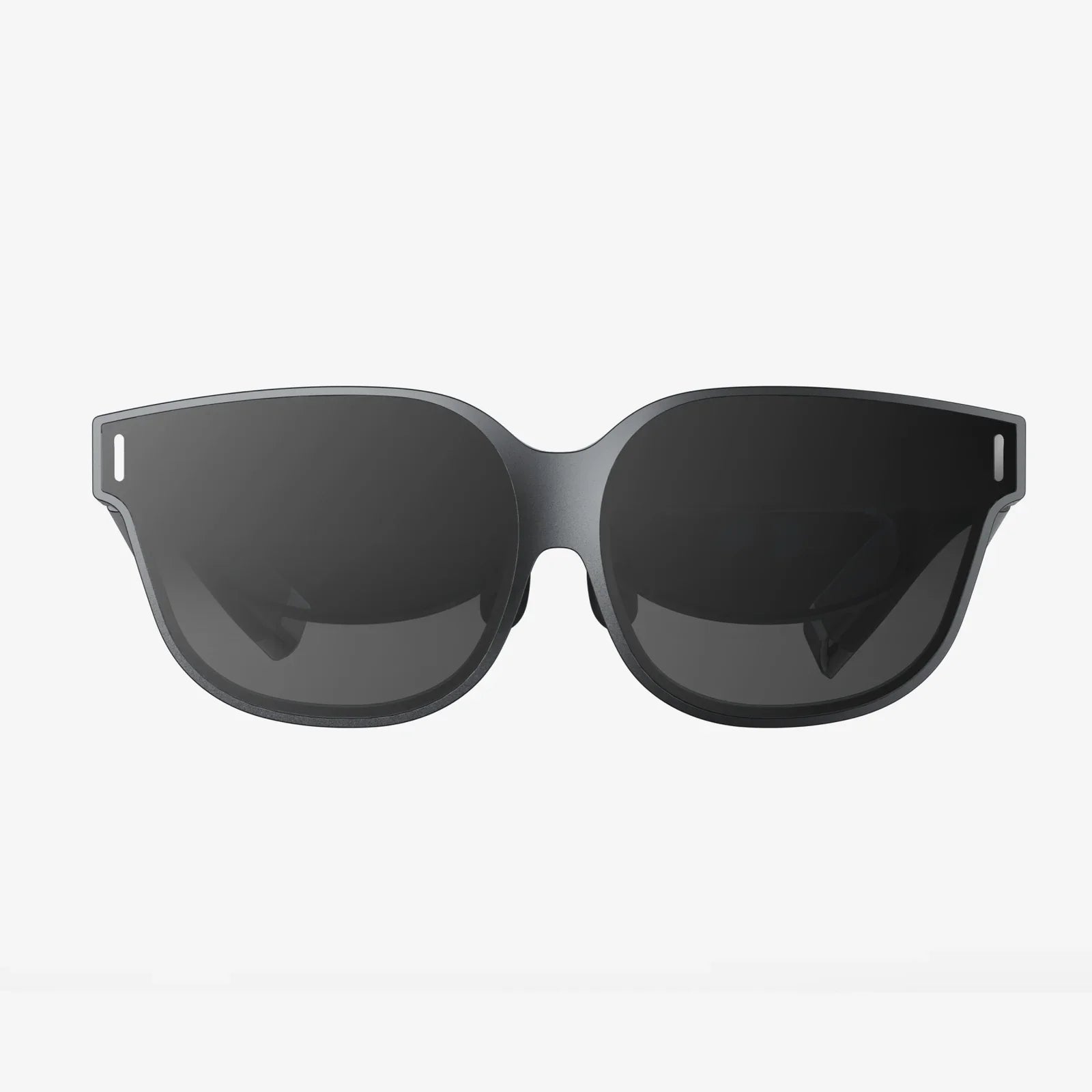
Imagine a world where your watch warns you of an oncoming health crisis, your glasses translate foreign street signs in real-time, and your clothing monitors your posture to prevent injury. This is not a glimpse into a distant sci-fi future; it is the rapidly evolving present, powered by the silent revolution of wearable technology. From our wrists to our ears, these devices are weaving digital intelligence into the very fabric of our daily lives, promising a new era of hyper-connectivity and self-awareness. But as we rush to embrace these technological marvels, a critical question emerges: at what cost does this convenience come? The journey into the world of wearables is a tale of two opposing forces, a delicate dance between empowering the individual and potentially enslaving them to data.
The Unquestionable Upside: A Life Enhanced
The proliferation of wearable devices is largely driven by a powerful suite of advantages that offer tangible improvements to health, safety, and daily efficiency.
Revolutionizing Personal Health and Wellness
Perhaps the most significant impact of wearables has been in the realm of healthcare. These devices have democratized access to health metrics that were once confined to clinical settings.
- Proactive Health Monitoring: Modern devices can continuously track heart rate, blood oxygen levels, electrocardiogram (ECG) readings, and even detect irregular heart rhythms like atrial fibrillation. This constant stream of data allows individuals to spot potential issues early and seek medical advice before a condition becomes critical.
- Fitness and Activity Tracking: By monitoring steps taken, calories burned, floors climbed, and active minutes, wearables provide powerful motivation for a more active lifestyle. They turn abstract fitness goals into measurable, achievable targets, fostering accountability and encouraging positive behavioral change.
- Advanced Sleep Analysis: Understanding sleep quality is crucial for overall health. Wearables can track sleep cycles (light, deep, and REM sleep), providing insights that help users improve their sleep hygiene, leading to better mental and physical recovery.
- Emergency SOS and Fall Detection: For elderly individuals or those with specific medical conditions, certain wearables offer life-saving features. Automatic fall detection can alert emergency services and designated contacts if a hard fall is detected, providing peace of mind for both the wearer and their loved ones.
Seamless Connectivity and Convenience
Beyond health, wearables are masterful tools for streamlining our interactions with the digital world.
- Instant Notifications and Hands-Free Operation: Glancing at a wrist to see a message, email, or call alert eliminates the constant need to pull out a smartphone, allowing users to stay connected without being disruptive or rude in social settings. Voice assistants integrated into these devices enable setting reminders, sending texts, or controlling smart home devices without lifting a finger.
- Contactless Payments and Digital Keys: The ability to pay for groceries or unlock a car door with a simple tap of a wearable device adds a layer of convenience and speed to everyday transactions, reducing the need to carry physical wallets or keys.
- Navigation and Accessibility: Wearables can provide subtle haptic feedback for turn-by-turn navigation, freeing users from staring at a phone screen while walking or cycling. They also offer significant accessibility benefits, such as translating spoken language in real-time for the hearing impaired or providing audio descriptions of the environment for the visually impaired.
Enhanced Safety and Security
Several wearable features are designed explicitly with user safety in mind.
- Location Tracking: While a double-edged sword, the ability to share location with trusted family members can be invaluable for ensuring the safety of children, elderly relatives, or individuals engaging in high-risk activities like hiking alone.
- Discreet Communication: In threatening situations, the ability to quickly trigger an emergency alert or discreetly record audio can provide a critical layer of personal security.
The Daunting Downside: The Price of Connection
For all their benefits, wearable technologies introduce a host of complex challenges that society is only beginning to grapple with.
A Minefield of Privacy and Data Security Concerns
This is arguably the most significant disadvantage. Wearables collect a deeply intimate portrait of our lives—our biological rhythms, location history, daily routines, and even our sleep patterns.
- Data Ownership and Exploitation: The question of who truly owns this incredibly sensitive data remains murky. There is a constant risk that anonymized data could be sold to third parties, such as advertisers, insurance companies, or even employers, potentially leading to discrimination based on health or lifestyle metrics.
- Vulnerability to Hacking: Any device connected to the internet is a potential target. A compromised wearable could leak a user's real-time location, health data, and personal communications, leading to stalking, identity theft, or blackmail.
- Constant Surveillance: The perpetual nature of data collection creates a sense of being constantly monitored, eroding personal privacy and creating a digital footprint that is nearly impossible to erase.
Social and Psychological Ramifications
The impact of wearables extends beyond data bytes and into the realm of human interaction and mental well-being.
- The Quantified Self and Anxiety: The obsession with tracking every metric can lead to increased anxiety and hypochondria, a phenomenon sometimes called "data anxiety" or "cyberchondria." Users may become overly fixated on numbers, leading to unhealthy behaviors or unnecessary stress when goals are not met.
- Erosion of Social Bonds: The constant buzz and lure of notifications on a wrist can fracture attention and undermine face-to-face conversations. The physical presence of a device during social interactions can be perceived as rude, signaling that the wearer is not fully engaged.
- Digital Dependency and Addiction: The instant gratification provided by wearables can foster a dependency on digital validation and constant stimulation, making it harder for users to disconnect, be present in the moment, and enjoy periods of solitude.
Technical and Practical Limitations
The technology itself is not without its flaws and inconveniences.
- Battery Life and Charging Fatigue: The need to frequently charge yet another device can be a significant hassle. Limited battery life often means users must remember to charge their wearables daily, or risk being without them.
- Accuracy and Reliability Concerns: While improving, the sensors in consumer-grade wearables are not medical devices. Inaccurate heart rate readings, miscounted steps, or faulty sleep data can lead to misguided decisions and a false sense of security (or alarm).
- Cost and Accessibility: High-end wearable technology can be prohibitively expensive, creating a digital divide where advanced health and connectivity features are only available to those who can afford them.
- Short Product Lifecycles and E-Waste: The rapid pace of innovation means devices can become obsolete within a few years, contributing to the growing global problem of electronic waste.
Navigating the Future: Striking a Balance
The path forward with wearable technology is not about outright rejection or blind acceptance. It requires a mindful and balanced approach from individuals, corporations, and regulators alike.
For users, this means becoming educated about privacy settings, consciously managing data-sharing preferences, and periodically disconnecting to reclaim moments of analog peace. It involves using the technology as a tool for enhancement, not allowing it to become a source of anxiety or a master of one's attention.
For technology companies, the ethical imperative is clear: prioritize transparency, implement robust security by design, and give users unequivocal control over their personal data. Profit models must evolve beyond data exploitation and toward providing genuine value that respects user autonomy.
For policymakers and regulators, there is an urgent need to create clear, robust legal frameworks that treat biometric and health data with the utmost seriousness. Legislation must define ownership, mandate stringent security standards, and prevent discriminatory uses of personal information gathered from wearables.
The true potential of wearable technology will only be realized when we successfully mitigate its dangers. The goal is to harness its power for good—to predict illnesses, enhance human capability, and foster safer communities—while fiercely protecting the fundamental human rights to privacy, security, and mental well-being.
The sleek device on your wrist is more than a gadget; it's a portal to a healthier, more efficient, and intensely connected existence. Yet, this portal demands a toll paid in personal data and constant engagement. The data it harvests paints a stunningly intimate portrait of your life, a tempting treasure trove for corporations and a vulnerable target for malicious actors. It can fuel anxiety as easily as it motivates, and disrupt human connection while promising better communication. The future of wearables isn't written in code; it's being written by our choices right now. Will we master the technology, or will it master us? The answer lies in our ability to embrace its profound benefits while vigilantly guarding against its inherent perils, ensuring that the connected self remains, first and foremost, a truly human one.
Share:
AI Digital Product Creation: The Complete Guide to Automating Your Online Business
AR News: How Augmented Reality is Revolutionizing the Media We Consume