


Imagine waking up, not to the blare of a radio alarm or the frantic scroll of a news feed, but to a gentle, holographic headline floating above your bedside table. A major diplomatic breakthrough is happening across the globe, and as you sip your coffee, a miniature 3D representation of the world leaders involved animates the key points of the agreement right there in your kitchen. This isn't a scene from a distant sci-fi future; it is the imminent reality of AR news, a technological revolution poised to fundamentally alter our relationship with information, transforming passive consumption into active, immersive experience.
Beyond the Screen: Defining the AR News Phenomenon
At its core, Augmented Reality (AR) is a technology that superimposes a computer-generated image onto a user's view of the real world, thus providing a composite view that blends digital and physical realities. Unlike Virtual Reality (VR), which creates a completely artificial environment, AR enhances the real world with a layer of interactive digital information. AR news, therefore, is the application of this technology to the field of journalism and media dissemination. It moves the narrative from the flat, two-dimensional confines of a paper page or a glass screen into the three-dimensional space around us. It’s the difference between reading about the scale of a new architectural marvel and being able to walk around a life-sized, virtual model of it placed in your local park. It transforms abstract data into tangible, visual constructs that can be interacted with and understood on a profoundly human level.
From Print to Pixel to Projection: The Evolution of News Delivery
The history of news is a history of technological adoption. The move from town criers to the printing press democratized information. The invention of the radio brought immediacy and sound, allowing audiences to hear events unfold in real time. Television added a powerful visual component, making the news more visceral and emotionally resonant. The internet then shattered all previous models, offering ubiquity, interactivity, and a never-ending stream of data. Each leap changed not just how we received news, but what we considered news to be. AR represents the next, and perhaps most profound, step in this evolution. It is the synthesis of all these previous mediums—the depth of print, the immediacy of radio, the visual power of television, and the interactivity of the web—projected onto our physical reality. It doesn't seek to replace these formats but to augment them, creating a holistic and deeply contextual information environment.
Crafting Empathy: Immersive Storytelling and Deepened Understanding
The most significant promise of AR news lies in its unparalleled ability to foster empathy and comprehension. Traditional media often struggles to convey the full emotional and physical context of a story. Reading about the aftermath of a natural disaster or a humanitarian crisis provides facts, but it can remain abstract. AR can place a user inside a 360-degree recreation of that environment. Imagine an AR news report that overlays the floodwater levels of a hurricane onto your own street, making the scale of destruction instantly and terrifyingly relatable. Or a story about archaeological discoveries that lets you excavate and examine ancient artifacts virtually on your own desk. This spatial storytelling allows for a deeper, more intuitive understanding of complex issues. Data is no longer just numbers on a chart; it can become a swarm of particles representing market fluctuations or a growing tree visualizing population growth over centuries. This transforms news from something we simply know to something we experience and feel, building bridges of understanding that text alone could never construct.
Transforming the Journalist's Toolkit: A New Paradigm for Reporting
For journalists and newsrooms, the advent of AR is not just a new distribution channel; it's a new form of storytelling that requires a completely reimagined toolkit and skillset. The traditional inverted pyramid structure of writing must be adapted for a three-dimensional, non-linear narrative. Reporters are becoming experience designers, thinking about how a user will move through and interact with a story spatially. They must collaborate with 3D artists, data visualization experts, and AR developers. The process involves capturing photogrammetry data of locations, creating accurate 3D models, and scripting interactive elements that enhance rather than distract from the core narrative. Ethical considerations are also magnified. The power of AR to create hyper-realistic recreations of events brings up serious questions about accuracy, sensitivity, and the potential for re-traumatizing audiences. The core tenets of journalism—accuracy, fairness, and context—become even more critical when the story feels so real you can almost touch it.
Navigating the Obstacles: Challenges on the Path to Mainstream Adoption
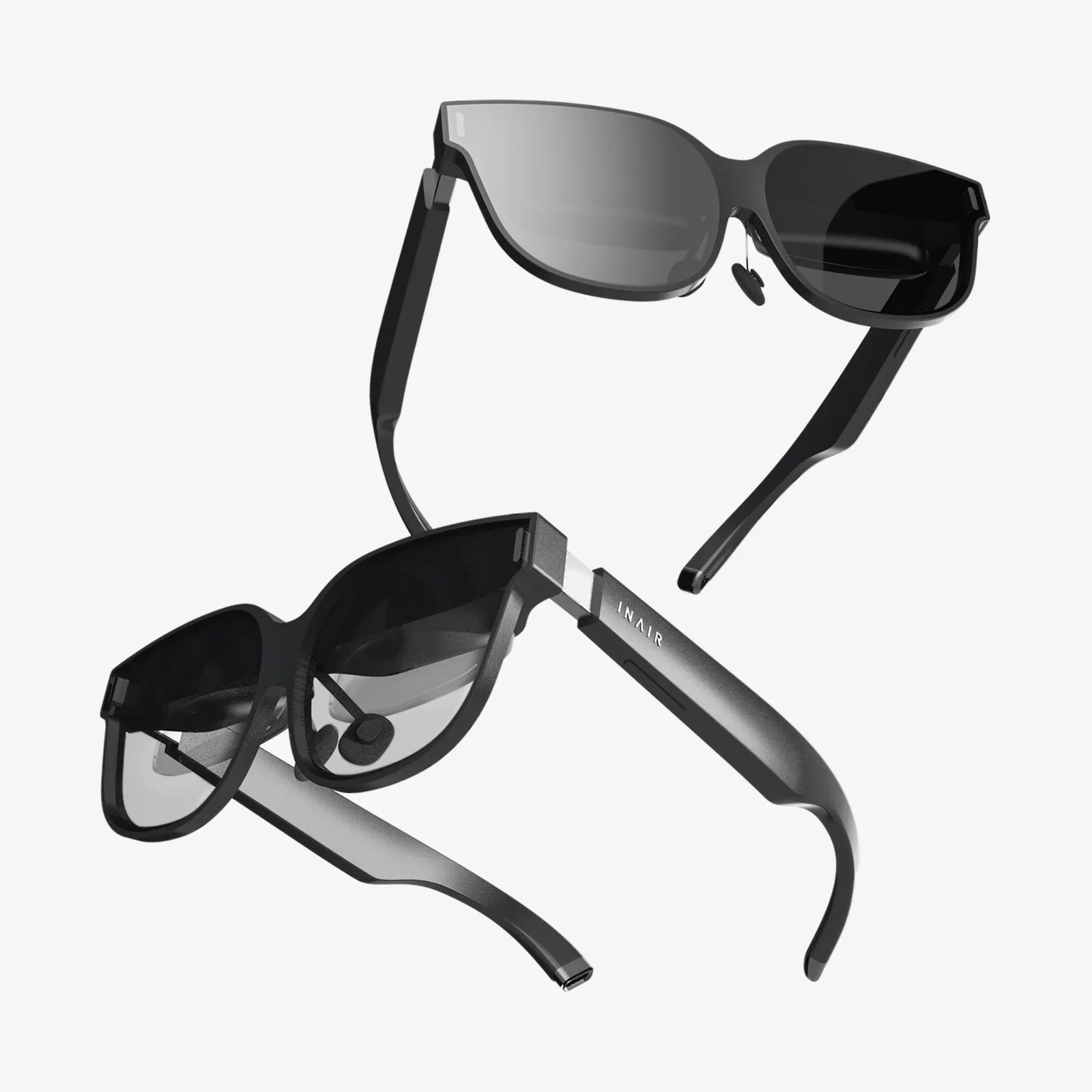
Despite its immense potential, the path to widespread adoption of AR news is fraught with significant challenges. The first is the technological barrier. While smartphone cameras can deliver basic AR experiences, truly seamless and immersive viewing currently requires specialized head-mounted displays or smart glasses, which are not yet consumer-friendly or affordable for the mass market. The second major hurdle is the "gimmick factor." Early adopters risk creating AR experiences that are technologically impressive but narratively shallow, focusing on flashy effects over substantive storytelling. This can lead to user fatigue and dismissal of the medium as a novelty. Furthermore, the high cost of producing high-quality, journalistically sound AR content is a barrier for many news organizations already struggling financially. Finally, critical issues of data privacy, information overload, and the potential for even more sophisticated forms of misinformation must be addressed. An AR filter that convincingly places a political figure in a compromising, fabricated scenario could be devastatingly effective.
The Future is Augmented: What's Next for AR in Media?
As the technology matures, the future of AR news will likely move beyond individual stories to create persistent information layers atop our world. Your morning walk through the city could be accompanied by historical facts about buildings you pass, real-time traffic and public transit data floating at bus stops, and highlights of community events happening nearby. Live events, from sports games to political debates, could be enriched with real-time stats, player bios, and fact-checking annotations appearing in your field of view. This concept of the "metaverse"—a confluence of our physical and digital lives—positions AR news as the primary interface for understanding our world. News will become ambient, contextual, and integrated seamlessly into the flow of daily life, moving from a destination we seek out to a constant, intelligent companion that enhances our perception and decision-making.
The morning headline hovering over your coffee is no longer a fantasy; it's a prototype. AR news is quietly dismantling the wall between the information we consume and the world we inhabit, promising a future where understanding complex global events is as intuitive as looking around the room. This is more than a new way to read; it's a new way to see, to connect, and to comprehend the endlessly fascinating story of our time.
Share:
Advantages and Disadvantages of Wearable Technology: A Deep Dive into the Connected Self
Developing Digital Products: A Comprehensive Guide to Building for the Modern Market