


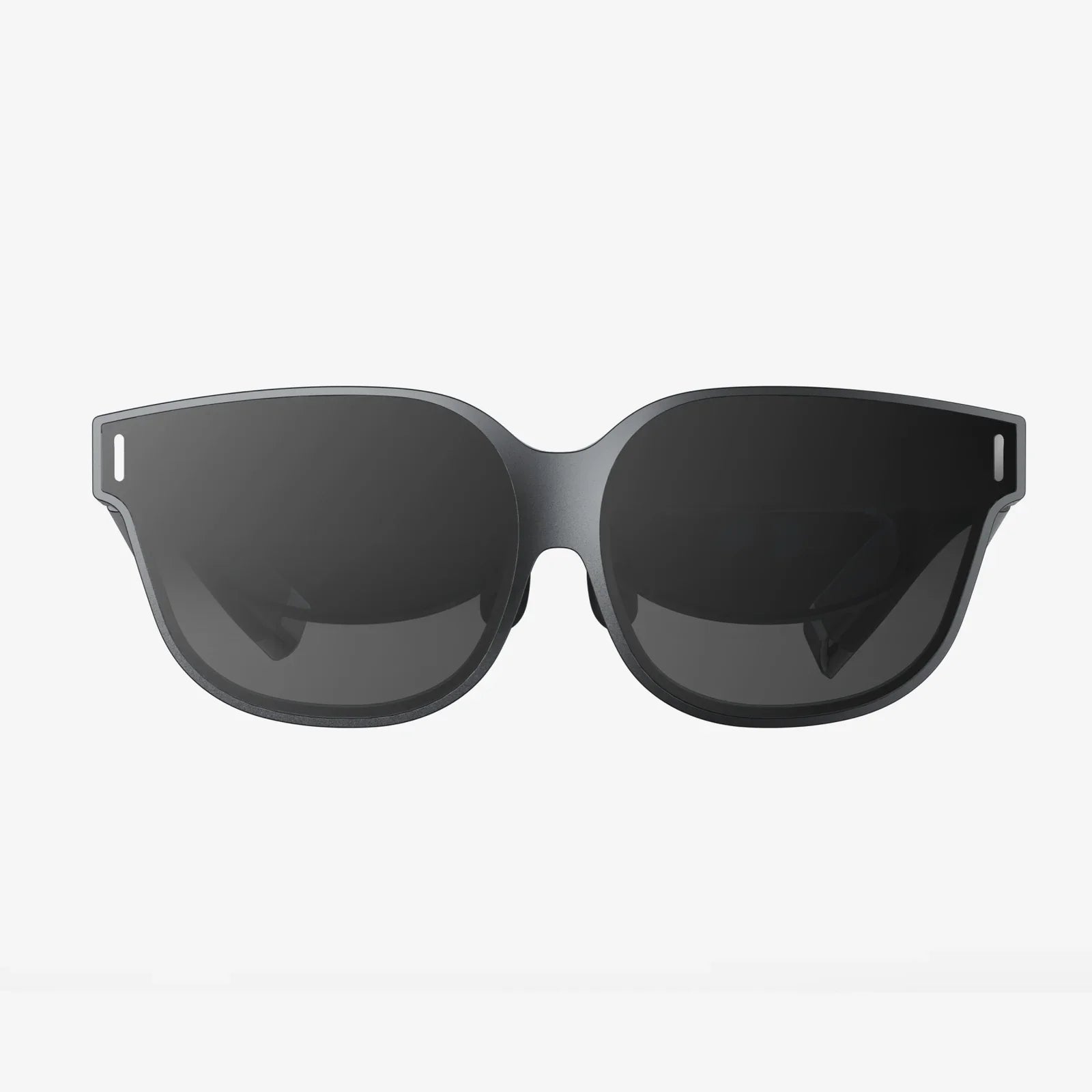
From sleek smartwatches tracking our morning run to discreet health monitors sending data directly to physicians, wearable technology has woven itself into the very fabric of modern life, promising a future of unprecedented self-awareness and convenience. But is this brave new world of constant connectivity and biometric surveillance all it's cracked up to be? The answer, as with most technological revolutions, is a complex tapestry of incredible benefits shadowed by significant, and often overlooked, costs.
The Unmatched Upside: How Wearables Empower Us
The proliferation of wearables is no accident; it is driven by a powerful suite of advantages that offer tangible improvements to health, safety, and daily efficiency.
Revolutionizing Personal Health and Fitness
Perhaps the most celebrated benefit of wearables lies in the domain of health and wellness. These devices have democratized access to data that was once confined to medical clinics and specialized equipment.
- Quantified Self-Movement: Wearables provide immediate, granular feedback on physical activity. Step counts, active minutes, and calories burned are no longer abstract concepts but measurable metrics, motivating users to move more and adopt a less sedentary lifestyle. This constant feedback loop can be a powerful catalyst for behavioral change, turning fitness into a engaging, data-driven game.
- Advanced Health Monitoring: Beyond basic fitness, many devices now offer sophisticated health tracking. Continuous heart rate monitoring can alert users to abnormal spikes or resting rates. Sleep trackers analyze sleep stages (light, deep, REM), providing insights into sleep quality and patterns, empowering individuals to address issues like sleep apnea or insomnia. More advanced sensors can even measure blood oxygen saturation (SpO2), skin temperature, and perform electrocardiograms (ECG), potentially flagging serious conditions like atrial fibrillation before they become critical.
- Chronic Disease Management: For individuals with conditions like diabetes, hypertension, or heart disease, wearables can be life-changing. Continuous Glucose Monitors (CGMs) worn on the arm provide real-time blood sugar readings without finger-prick tests, allowing for better dietary and insulin management. This constant stream of data can be shared with healthcare providers, enabling more personalized and proactive care rather than reactive treatments based on sporadic check-ups.
Enhanced Connectivity and Convenience
Wearables act as a seamless extension of our smartphones, streamlining daily interactions and keeping us connected without being tethered to a device in our pocket.
- Instant Notifications and Communication: The ability to glance at a wrist to see an important message, email, or call allows users to stay informed without the constant, disruptive need to unlock a phone. This can enhance productivity and ensure critical information is never missed. Features like call answering and voice-to-text messaging offer hands-free convenience, especially valuable while driving, cooking, or exercising.
- Contactless Payments and Digital Keys: The integration of NFC technology has turned wearables into digital wallets. A quick tap of the wrist can pay for groceries, board public transport, or unlock a car or hotel room, reducing the need to fumble for cards or keys and promoting a more hygienic, touch-free experience.
- Navigation and Safety Features: Built-in GPS provides haptic turn-by-turn navigation directly on the wrist, making it easier to navigate unfamiliar cities on foot or bike. Safety features like fall detection, which can automatically alert emergency services and designated contacts if a hard fall is detected, are invaluable for elderly users or those with certain medical conditions. Similarly, SOS triggers can discreetly call for help in precarious situations.
The Hidden Downsides: The Price of Constant Connectivity
For all their benefits, wearables introduce a host of concerns that range from personal anxiety to profound societal and ethical dilemmas. Ignoring these disadvantages is a perilous oversight.
Data Privacy and Security Nightmares
This is arguably the most significant and alarming drawback. Wearables collect a deeply intimate portrait of your life—your location 24/7, your heart rate patterns, your sleep habits, and even your reproductive health data.
- The Treasure Trove of Biometric Data: This data is incredibly valuable and highly sensitive. It doesn't just describe what you do; it describes who you are, your physiological state, and your vulnerabilities. The central question remains: who owns this data, and how is it being used? Is it anonymized and aggregated for research, or is it being sold to third parties, including advertisers and insurance companies?
- Vulnerability to Breaches: Any device connected to the internet is a potential target for hackers. A breach of a wearable's data could expose your precise daily routine (making home burglaries easier), your health information (which could be used for discrimination), or even allow for real-time tracking. The security protocols for many of these devices are often not as robust as those for computers or phones.
- Lack of Regulatory Clarity: The legal and regulatory framework for biometric data privacy is still in its infancy and lags far behind the pace of technological innovation. Terms of Service agreements are often long, complex, and give users little choice but to accept widespread data collection if they wish to use the device.
Psychological and Social Implications
The constant pursuit of optimization can have a dark side, impacting mental well-being and social interactions.
- Analysis Paralysis and Health Anxiety: The constant stream of data can lead to obsessive behaviors, often referred to as "orthosomnia"—an unhealthy preoccupation with achieving perfect sleep data. A slight dip in heart rate variability or a poor sleep score can induce unnecessary anxiety and stress, ironically undermining the very health goals the device is meant to support. Users can become slaves to the numbers, ignoring their body's innate signals in favor of what the data says.
- The Illusion of Accuracy: While wearable technology has advanced dramatically, it is not medical-grade equipment. Optical heart rate sensors can be thrown off by movement; sleep stage analysis is an estimate, not a precise measurement. Basing health decisions on potentially inaccurate data can be dangerous and lead to misinformed choices.
- Erosion of Mindfulness and Present-Moment Engagement: The constant buzz of notifications and the urge to constantly check metrics can fracture attention and pull users out of the present moment. It can detract from genuine social experiences, as a quick glance at the wrist during a conversation can signal disinterest. The line between being connected and being distracted becomes dangerously thin.
Practical and Physical Drawbacks
Beyond the data and psychological concerns, there are straightforward practical limitations that can hinder the user experience.
- Battery Life and Charging Fatigue: Unlike a traditional watch that may run for years on a single battery, most smart wearables require charging every day or every other day. This adds another item to our daily charging routine (phone, laptop, headphones, wearable) and creates a window of time where the user is without their data and connectivity, which can itself be a source of anxiety for some.
- Cost and Accessibility: High-end wearables with the most advanced features represent a significant financial investment, potentially widening the health and technology gap between socioeconomic groups. This creates a tiered system where those who can afford the technology get access to better health insights and conveniences.
- Design and Comfort Limitations: While designs have improved, many wearables are still noticeably bulky or have a distinct tech aesthetic that doesn't suit all styles or occasions. Furthermore, wearing a device 24/7, especially during sleep, can be uncomfortable for some users, and skin irritation from materials or trapped moisture is not uncommon.
Navigating the Future: Striking a Balance
The path forward with wearable technology is not one of wholesale adoption or rejection, but of mindful integration. Users must become conscious consumers, critically evaluating both the features and the fine print. It is imperative to ask questions: What data is being collected? How is it stored and who is it shared with? Can I adjust the privacy settings? Using strong, unique passwords and being selective about which apps have access to health data are basic but crucial steps.
Furthermore, we must learn to use the technology as a tool for guidance, not as an absolute authority. Listening to one's body remains as important as ever. Taking a day off from tracking, turning off non-essential notifications, and periodically assessing whether the device is serving your goals or adding to your stress are healthy practices for maintaining a balanced relationship with this powerful technology.
The true potential of wearables will only be realized when innovation is matched with robust ethical standards, transparent data practices, and a societal conversation about the boundaries we wish to set. The goal should be to harness their power for good without surrendering our privacy, our peace of mind, or our ability to experience life unmeasured and unfiltered.
Imagine a device that predicts a health crisis before you feel a symptom, streamlines your day with effortless efficiency, and keeps you safe—all while fiercely guarding your most intimate data. The future of wearables hinges on closing this gap between their incredible potential and the very real risks they pose, demanding smarter design and savvier users to truly unlock a healthier, more connected existence.
Share:
Average Cost of Wearable Technology: A Deep Dive Into What You Really Pay
Electrochromic Device Smart Glass: The Future of Dynamic Light and Privacy Control