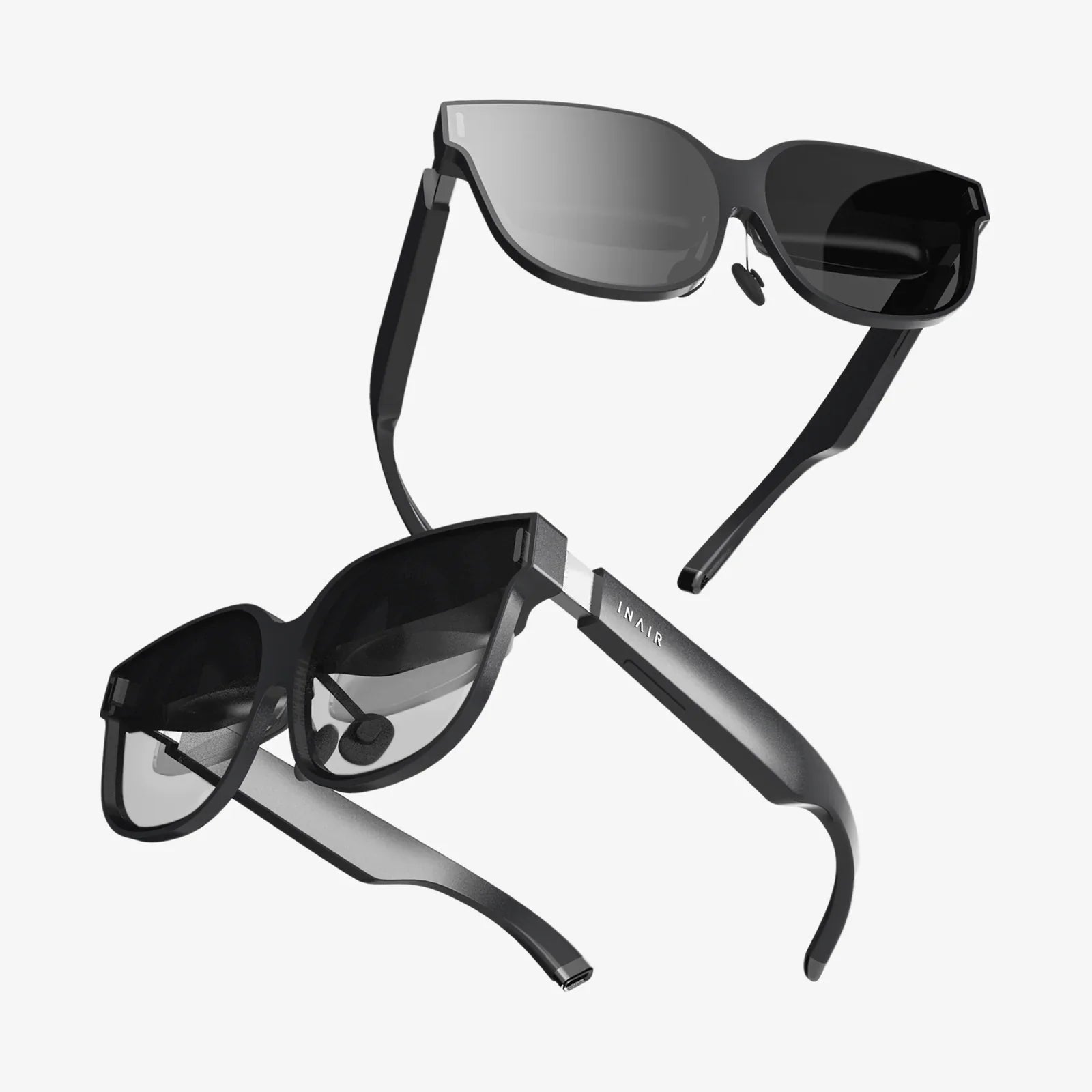
Imagine a world where your technology doesn't sit in your pocket or on your desk, but moves with you, understands your context, and responds to your needs before you even articulate them. This is no longer the realm of science fiction; it is the burgeoning reality powered by the silent, pervasive revolution of wearable computers. These devices, which range from sophisticated wrist-worn gadgets to intelligent eyewear and even smart fabrics, are fundamentally altering our relationship with information, our health, and the world around us. The advantages they offer are not merely incremental improvements but represent a paradigm shift in personal computing, promising a future of unprecedented convenience, awareness, and empowerment.
The Quintessence of Convenience: Hands-Free, Immediate Access
The most immediately apparent advantage of wearable computers is the unparalleled convenience they offer. By being worn on the body, these devices provide constant, immediate, and often hands-free access to digital information.
-
At-a-Gance Information: Critical notifications—a message from a loved one, an upcoming calendar appointment, a navigation turn—are delivered directly to your wrist or field of vision. This eliminates the constant, distracting need to dig into a pocket or bag to check a device, a process that fragments attention and disconnects you from your immediate environment.
-
Seamless Interaction: Voice assistants integrated into wearables allow users to set reminders, send messages, control smart home devices, or initiate calls without lifting a finger. This is particularly transformative in situations where using a handheld device is impractical or unsafe, such as while cooking, driving, or exercising.
-
Contextual Awareness: Wearables are uniquely positioned to understand context. They know if you're walking, running, or sleeping. This allows them to proactively surface relevant information—like your workout stats when you arrive at the gym or a reminder to wind down when you're still awake past your bedtime.
A Proactive Approach to Health and Wellness
Perhaps the most profound impact of wearable computers is in the domain of personal health and wellness. They have democratized access to health data, shifting the paradigm from reactive healthcare to proactive and preventative wellness.
-
Continuous Biometric Monitoring: Wearables can track a vast array of physiological data 24/7, including heart rate, sleep patterns, blood oxygen levels, and even electrodermal activity. This continuous stream of data provides a holistic picture of one's health that is impossible to capture through occasional doctor's visits.
-
Fitness and Activity Motivation: By setting goals, tracking progress, and providing real-time feedback, wearables serve as powerful motivators for physical activity. They turn abstract health goals into tangible, daily achievements, encouraging users to move more, stand up, and close their activity rings.
-
Early Detection and Alerts: Advanced sensors can detect potential health issues early. Features like atrial fibrillation (AFib) detection, high or low heart rate notifications, and fall detection with automatic emergency calling can provide critical alerts that may save lives, offering peace of mind to both users and their families.
-
Mental Wellbeing: Beyond physical health, many wearables now incorporate features focused on mental wellbeing. Guided breathing exercises, mindfulness reminders, and sleep quality analysis help users manage stress and improve their overall mental resilience.
Enhanced Safety and Security
Wearable computers are becoming indispensable tools for personal safety, providing users with a direct line of help and a means to monitor their well-being in potentially hazardous situations.
-
Emergency SOS: With a few taps or by detecting a hard fall, these devices can instantly connect users to emergency services, share their location, and notify designated emergency contacts. For adventurers, the elderly, or anyone in a vulnerable situation, this feature is a literal lifeline.
-
Environmental Awareness: Some wearables can monitor environmental factors like noise levels, alerting users to sounds that could potentially harm their hearing. This is particularly useful in loud workplaces or concert environments.
-
Location Tracking: For parents, the ability to quickly locate a child wearing a compatible device provides immense peace of mind. Similarly, these features can be used to track the location of valuable assets.
Unprecedented Personalization and Data Integration
Wearable computers act as a central hub for the Internet of Things (IoT), seamlessly integrating data from various sources to create a highly personalized and automated user experience.
-
The Human Dashboard: They aggregate data from your phone, your smart home, your car, and your body itself, presenting it in a unified, easily digestible format. Your wearable becomes a personal dashboard for your entire digital and physical life.
-
Automated Routines: Based on your habits and biometric data, wearables can trigger automated actions. Your smart lights can gradually brighten to simulate a sunrise as your sleep cycle lightens. Your thermostat can adjust as you leave work and begin your commute home.
-
Personalized Insights: Over time, the device learns your patterns. It can provide insights like, "You've been sleeping 30 minutes less on nights you have coffee after 4 PM," or "Your walking pace is consistently faster in the mornings." This data-driven self-knowledge is a powerful tool for positive behavioral change.
Boosting Productivity and Professional Efficiency
In professional settings, wearable computers are moving beyond consumer gadgets to become valuable tools for enhancing productivity and operational efficiency.
-
Hands-On Task Support: For field technicians, warehouse workers, and surgeons, smart glasses can overlay crucial information, schematics, or instructions directly into their field of view, freeing their hands to complete complex tasks without interruption.
-
Discreet Communication: The ability to receive and triage notifications discreetly allows professionals in meetings or customer-facing roles to stay connected without being overtly distracted by their phones.
-
Streamlined Workflows: From making contactless payments to using a wearable device as a digital key for access control, these technologies streamline mundane tasks, saving time and reducing friction in daily routines.
Navigating the Challenges and the Road Ahead
Of course, this technological leap is not without its challenges. The constant collection of intimate biometric data raises significant questions about privacy, data security, and ownership. The potential for distraction and digital addiction is a real concern that must be addressed through thoughtful design and user education. Furthermore, the digital divide could widen if these powerful tools for health and productivity remain accessible only to a privileged few.
However, the trajectory is clear. Future advancements will focus on improving battery life, making devices more unobtrusive and fashionable, and enhancing the accuracy and scope of sensors. We are moving towards a future of truly ambient computing, where technology fades into the background of our lives, working silently to augment our human capabilities without demanding our constant attention.
The true advantage of the wearable computer is not that it gives us more screens to stare at, but that it allows us to look up from them. It is the promise of technology that enhances our experience of the real world rather than replacing it. By seamlessly integrating into our lives, these devices are poised to make us healthier, safer, more efficient, and more connected to the data that defines our modern existence. The revolution is not coming; it's already here, ticking on your wrist, waiting to be explored.