


- by wangfred
Advantages of Wearable Computing: A New Era of Seamless Technology
- by wangfred
Imagine a world where your technology doesn't just sit in your pocket or on your desk, but moves with you, understands your context, and proactively works to improve your life. This is no longer the realm of science fiction; it is the present and future being shaped by the rapid evolution of wearable computing. From the moment you wake up to the second you fall asleep, these devices are poised to become the most intimate and transformative tools we have ever known, offering a glimpse into a seamlessly connected existence.
Perhaps the most significant and life-altering advantage of wearable computing lies in the domain of health and wellness. These devices have democratized access to health data that was once only available in clinical settings, empowering individuals to take a proactive role in their own well-being.
Modern wearables are equipped with a suite of sophisticated sensors capable of tracking a vast array of physiological metrics. They can continuously monitor heart rate, providing insights into resting heart rate, heart rate variability (HRV), and abnormal rhythms that might warrant medical attention. Advanced accelerometers and gyroscopes track movement with incredible precision, calculating steps taken, distance traveled, calories burned, and even the quality of specific exercises.
Beyond basic fitness, the focus has shifted towards holistic health monitoring. Sleep tracking functionality analyzes sleep stages—light, deep, and REM sleep—offering users a detailed breakdown of their sleep architecture. This data can be invaluable for identifying sleep disorders like insomnia or sleep apnea and for understanding the impact of daily habits on sleep quality. Furthermore, newer devices are incorporating sensors for measuring blood oxygen saturation (SpO2), skin temperature, and even electrodermal activity, which can be indicators of stress, illness, or overall physiological strain.
This constant stream of biometric data creates a comprehensive picture of an individual's health over time, moving away from episodic check-ups to continuous care. For individuals managing chronic conditions such as hypertension or atrial fibrillation, wearables can provide early warnings and peace of mind. They can prompt users to meditate when stress levels are detected as high, remind them to move after prolonged inactivity, and even detect hard falls and automatically alert emergency services. This transformative capability turns a personal device into a guardian angel for health, fostering prevention and enabling a more informed dialogue between patients and healthcare providers.
In our fast-paced, information-saturated world, the ability to stay connected and productive without being chained to a screen is a powerful advantage. Wearable computing elegantly solves this problem by providing glanceable, context-aware information right on the wrist or in the periphery of vision.
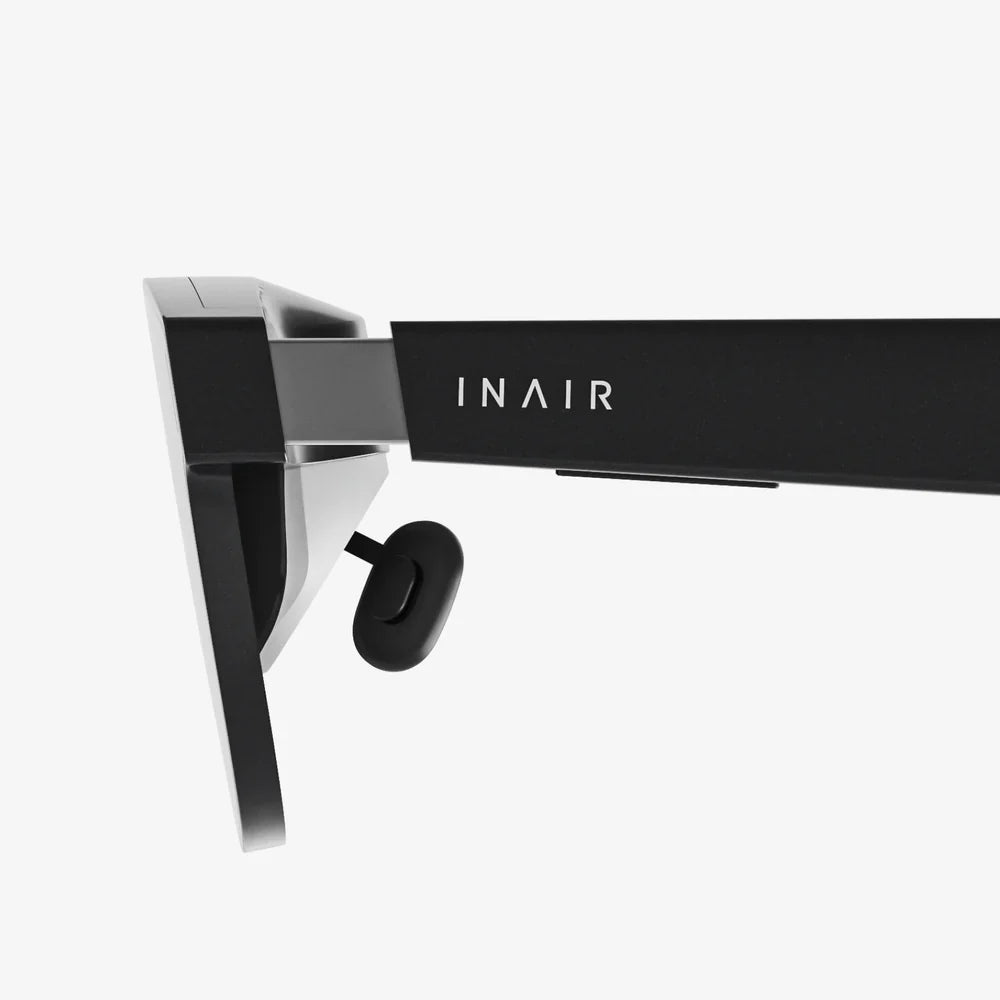
Smart glasses and wrist-worn devices allow for hands-free operation, which is a game-changer for numerous professions. Field technicians can view schematics and instructions without putting down their tools, surgeons can monitor vital signs and reference medical images without breaking sterility, and warehouse workers can receive picking orders and update inventory systems without fumbling for a handheld scanner. This seamless access to information dramatically improves efficiency, reduces errors, and enhances safety.
For the general user, the productivity benefits are equally compelling. Notifications for calls, messages, and important emails can be triaged with a subtle glance, eliminating the constant need to pull out a smartphone. This actually reduces digital distraction by allowing users to quickly determine an alert's importance without falling into the rabbit hole of apps and social media. Calendar reminders, navigation directions, and weather updates are delivered instantly and unobtrusively, keeping users informed and on schedule.
Voice assistants integrated into wearables further amplify this hands-free convenience. Setting reminders, sending quick replies, initiating calls, or controlling smart home devices can be done with a simple voice command, making multitasking more fluid and natural. This creates a more ambient computing experience where technology recedes into the background, assisting us without demanding our full attention, thus freeing us to be more present in the physical world around us.
Wearable devices are increasingly becoming critical tools for personal safety and security, offering features that provide users and their loved ones with a greater sense of protection. This advantage extends from immediate physical danger to broader health emergencies.
The most direct safety feature is fall detection. Using advanced algorithms, devices can recognize the specific motion pattern of a hard fall. If the user is unresponsive after the fall, the device can automatically place a call to emergency services and share their location, a feature that is particularly vital for the elderly or those living alone. Similarly, many devices allow users to manually trigger an SOS alert that sends their location to pre-designated emergency contacts with just a few taps.
Location sharing features also enhance safety for people in vulnerable situations. For instance, someone on a first date or a solo runner on a remote trail can share their live location with a trusted friend or family member. Some devices even offer a discreet haptic "tap" to confirm a safe check-in without needing to interact with a phone.
Beyond physical safety, wearables contribute to data security. They can act as a robust second factor in two-factor authentication. The proximity of a trusted, authenticated wearable device can be used to unlock a laptop or smartphone, ensuring that even if a password is compromised, a hacker would also need physical possession of the wearable to gain access. This seamless authentication strengthens personal security without adding friction to the user experience.
Unlike a smartphone that sits idly in a bag, wearable computers are uniquely positioned to understand the user's context. They are always on, always worn, and constantly sensing the environment, enabling a level of ambient intelligence that was previously impossible.
This contextual awareness allows wearables to deliver hyper-relevant information and automate tasks without explicit user commands. For example, a device can recognize when you have started driving and automatically switch to a driving mode, silencing non-essential notifications and displaying navigation prompts. It can detect when you arrive at a gym and instantly launch your workout-tracking app. When you sit down to watch a movie at home, it could communicate with other smart devices to dim the lights.
This environment sensing extends further. Some wearables can now monitor environmental factors like ambient noise levels, warning the user if the sound around them is loud enough to potentially damage their hearing over time. This proactive, context-driven interaction model is the cornerstone of truly intuitive technology—it anticipates needs and acts accordingly, creating a computing experience that feels less like using a tool and more like having a helpful companion.
The form factor and functionality of wearable computers have opened up new avenues for accessibility, making technology more inclusive for people with various disabilities.
For individuals with visual impairments, smartwatches can deliver information through haptic feedback (vibrations) and audio. Notifications can be read aloud, and navigation can be guided through a series of distinct taps on the wrist indicating direction. For those with hearing impairments, devices can translate audio into text in real-time, displaying spoken conversations as subtitles on a screen, effectively acting as a hearing aid for the digital age.
Voice-controlled wearables empower users with limited mobility to control their environment, communicate, and access information without needing to touch a screen. The constant health monitoring capabilities also provide invaluable data for managing conditions that affect motor skills or cardiovascular health, offering independence and reassurance. By adapting to the user's specific needs and capabilities, wearable technology is breaking down barriers and creating more equitable access to information and communication.
While often criticized for potentially isolating users, wearable computing also holds significant power to enhance social connection and create shared experiences. The key lies in its ability to facilitate communication in more natural and immediate ways.
Simple features like being able to quickly read a message from a loved one during a meeting without being rude, or feeling a gentle tap on the wrist—a "digital hug"—sent from a family member far away, create a sense of constant, gentle connection. Parents can give their children simple wearable phones to stay in touch, using voice calls and pre-set messages for peace of mind.
Furthermore, wearables are the gateway to immersive technologies like augmented reality (AR). AR glasses can overlay digital information onto the real world, transforming how we learn, play, and interact. Imagine a museum where exhibits come to life with historical footage, a city tour where historical figures appear on street corners to tell their stories, or a multiplayer game that turns a local park into a fantasy battlefield. Wearables are the platform that will blend our digital and physical social lives in profound and exciting new ways.
The journey of wearable computing is just beginning, but its advantages are already fundamentally reshaping our relationship with technology and with ourselves. It promises a future where technology is not a distraction but an integrated partner in health, a seamless aid in productivity, and a guardian for our safety. The potential is limitless, and we are only starting to scratch the surface of how these intimate devices will enhance the human experience, making us more aware, more capable, and more connected than ever before.