


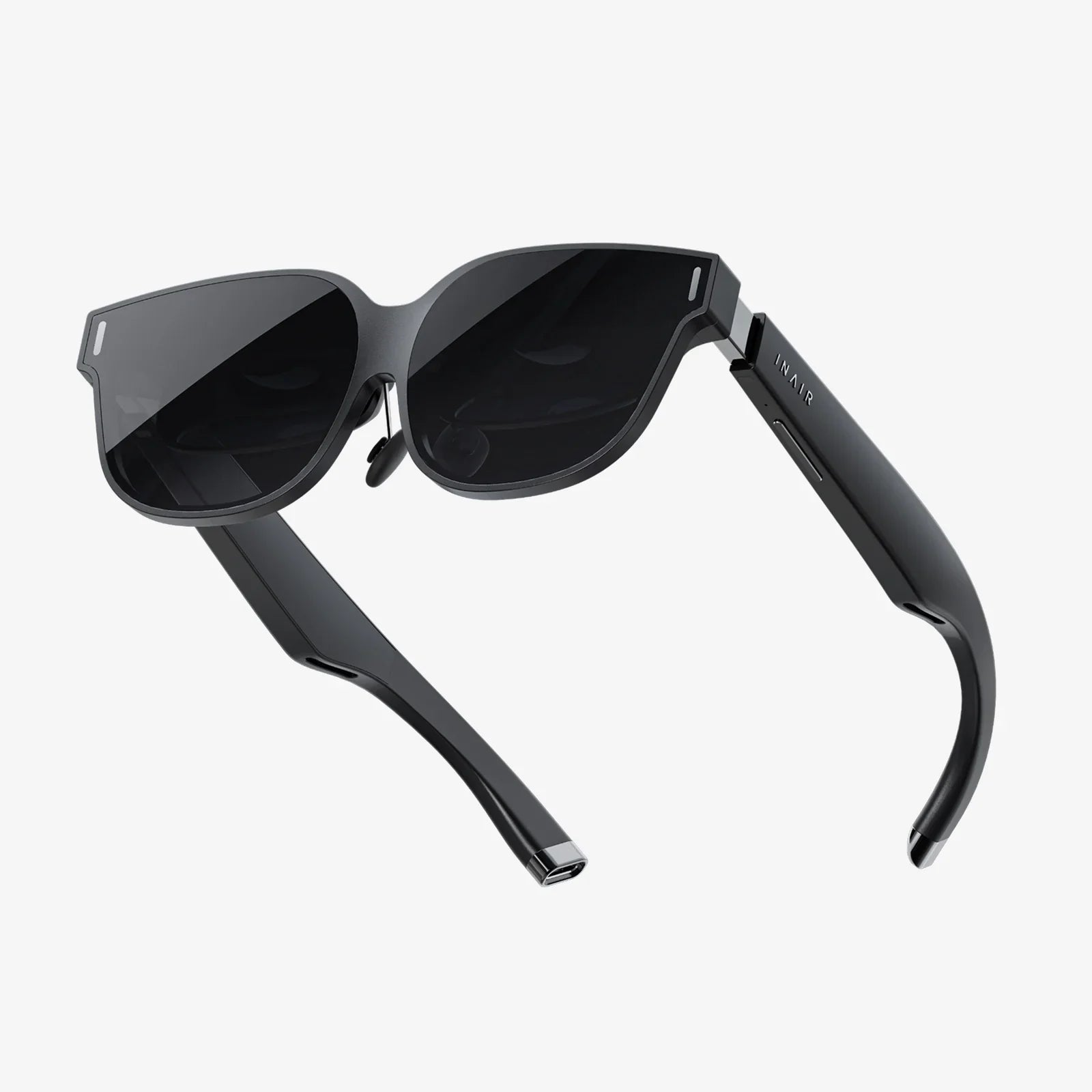
Imagine a world where a sudden slip on an isolated worksite, a medical emergency at home alone, or an unexpected threat on a late-night walk doesn't have to end in tragedy. This is no longer the realm of science fiction; it's the promise being delivered today by the rapid evolution of affordable safety wearables. These discreet, intelligent devices are fundamentally reshaping our relationship with personal security, moving us from a paradigm of reactive response to one of proactive, accessible protection. For a fraction of the cost of a new smartphone, individuals and organizations can now deploy a silent, ever-vigilant guardian that stands ready to summon help the instant it's needed, making advanced safety no longer a luxury reserved for the few.
The Democratization of Safety Technology
Historically, advanced safety technology was the domain of specialized professions and affluent individuals. Sophisticicated emergency communication systems, real-time biometric monitoring, and GPS tracking were complex and prohibitively expensive. The dramatic reduction in the cost of core components like sensors, microchips, and cellular modems has changed everything. Economies of scale driven by the massive consumer electronics market have trickled down into the safety sector, enabling manufacturers to produce powerful devices at a consumer-friendly price point. This democratization means that a construction worker, a university student, a delivery driver, and a senior citizen living independently can all benefit from the same underlying technology that was once exclusive to high-risk corporate environments.
Core Technologies Powering Low-Cost Protection
What exactly makes these devices both effective and affordable? The magic lies in the integration of several key technologies.
- Miniaturized Sensors: Modern wearables pack an array of sophisticated sensors. Accelerometers and gyroscopes can detect falls and impacts. Heart rate monitors and pulse oximeters can track vital signs for signs of distress. Environmental sensors can even detect dangerous gases or extreme temperatures.
- Connectivity: The ubiquity of Bluetooth Low Energy (BLE), Wi-Fi, and cellular networks (often 4G/LTE-M) allows these devices to maintain a constant, low-power connection to a wider ecosystem. They can transmit data and, most crucially, send distress signals without needing a paired smartphone.
- GPS and Location Services: Precise location tracking is arguably the most critical feature. In an emergency, pinpointing the user's coordinates shaves vital minutes off response times, guiding help directly to the scene, whether in a vast warehouse or on a remote trail.
- Cloud Computing and AI: The true intelligence of these systems often resides in the cloud. Algorithms analyze sensor data in real-time to distinguish between a harmless stumble and a serious fall, reducing false alarms. They manage communication between the wearable, emergency contacts, and, in some services, professional monitoring centers.
Who Benefits Most from Affordable Safety Wearables?
The applications for these devices are vast and varied, touching nearly every aspect of modern life.
Lone and Remote Workers
For millions of employees who work alone or in remote locations—utility workers, real estate agents, custodial staff, researchers—affordable wearables are a game-changer. Employers have a moral and legal duty of care to protect their staff. These devices provide a practical and scalable solution, enabling a worker who has had an accident or encountered an aggressive client to discreetly call for help with the press of a button or automatically through fall detection.
The Aging Population and Their Families
Perhaps one of the most profound impacts is in elder care. For families worried about an aging parent who wants to maintain their independence, these wearables offer priceless peace of mind. A watch-style wearable can provide medication reminders, detect falls, and allow for easy check-ins, all while looking like a standard timepiece, thus preserving the user's dignity and avoiding stigmatization.
Students and Vulnerable Commuters
University campuses and city streets can present safety challenges. Discreet wearable pendants or clips can empower students and commuters, providing a direct line to campus security, friends, or family. Features like geofencing can alert contacts if a user deviates from a preset safe route, adding an extra layer of security for vulnerable individuals.
Outdoor Enthusiasts
Hikers, runners, and cyclists often venture into areas with spotty cell service. Affordable wearables with satellite connectivity options ensure that even if they are injured miles from the nearest road, they can still call for search and rescue, turning a potentially life-threatening situation into a manageable incident.
Evaluating Features: What to Look For
With a growing market, choosing the right device requires careful consideration of several factors beyond just the initial purchase price.
- Battery Life: A device is useless if it's dead. Look for products offering multiple days of use on a single charge to ensure consistent protection.
- Durability and Design: The device should be appropriate for its environment—water-resistant for outdoors, rugged for job sites, and discreet for everyday wear. User acceptance is key; if it's uncomfortable or unattractive, it won't be worn.
- Subscription Models: Many affordable devices rely on a monthly subscription fee to cover cellular data and access to monitoring services. It is essential to factor this ongoing cost into the total price of ownership and understand exactly what the subscription includes.
- Response Ecosystem: Understand what happens when the alarm is triggered. Does it only message a few pre-set contacts? Or does it connect to a 24/7 professional monitoring center that can assess the situation and dispatch emergency services directly? The latter is far more robust but may come at a higher subscription tier.
Overcoming Barriers to Adoption
Despite the clear benefits, widespread adoption faces hurdles. Privacy concerns are paramount, as these devices collect sensitive location and health data. Reputable companies address this with transparent privacy policies, clear data encryption standards, and user-controlled permissions. Another challenge is cultural resistance; some may perceive the need for such a device as a sign of weakness. The industry is overcoming this by focusing on the empowerment and independence these tools provide, framing them not as a sign of vulnerability, but as a smart, modern tool for taking control of one's own safety.
The Future is Accessible and Integrated
The trajectory of affordable safety wearables points towards even greater integration and intelligence. We are moving towards ecosystems where a wearable can communicate not just with your phone, but with your smart home system—automatically unlocking doors for paramedics in the event of a fall, for instance. Further miniaturization will make devices less obtrusive, and advances in battery technology will extend their lifespans. As artificial intelligence improves, predictive analytics may be able to identify health issues like abnormal heart rhythms before they become critical emergencies, shifting the focus from intervention to prevention.
The quiet revolution of affordable safety wearables is stitching a new layer of security into the fabric of everyday life, offering a powerful, accessible promise: that no one should have to feel alone or unprotected. This isn't about fostering a culture of fear, but rather about building a world of greater confidence and independence, where everyone has the power to call for help, no matter the situation. The ultimate value of this technology is measured not in its price, but in the peace of mind and the lives it is already beginning to save.
Share:
Emerging Digital Product Trends Shaping Our Connected Future
Artificial Intelligence System: The Invisible Engine Reshaping Our World