


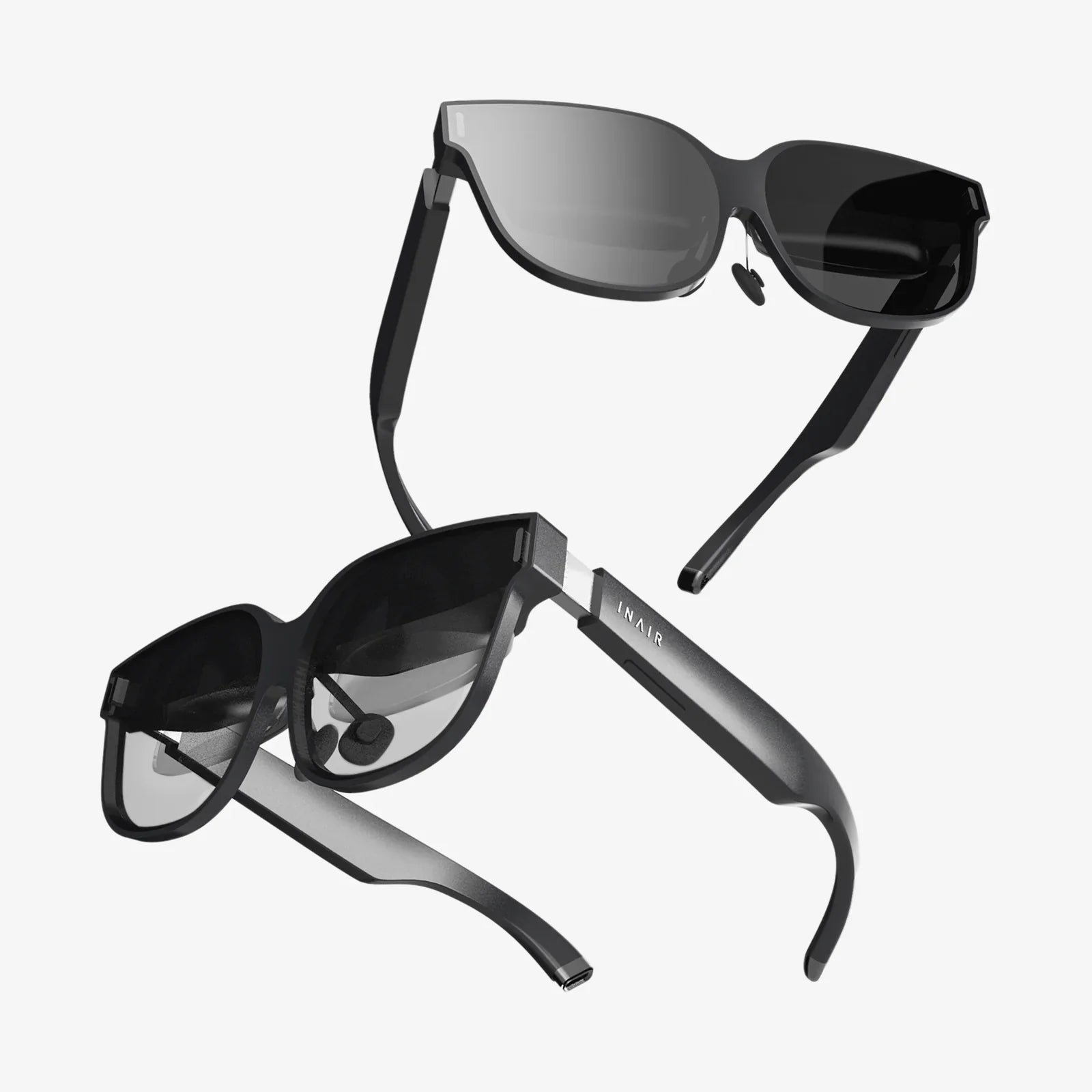
Imagine a world where information floats effortlessly before your eyes, where directions are painted onto the street, and notifications appear without you ever needing to glance down at a screen. This is the promise of smart eyewear, a vision of the future that, for years, felt locked behind a paywall of exclusivity and high-tech jargon. But a seismic shift is underway. The era of affordable smart eyewear is dawning, and it’s poised to fundamentally change not just how we interact with technology, but how we perceive the world around us. This isn't a niche luxury for early adopters anymore; it's the next great democratization of personal tech, bringing the power of augmented reality and connected computing to the everyday consumer.
The High Cost of Seeing the Future: Why Smart Glasses Were Once a Luxury
To understand the significance of the affordable smart eyewear revolution, we must first look back at the barriers that once existed. The initial forays into this market were characterized by groundbreaking innovation, but also by staggering price tags. These first-generation devices were engineering marvels, packing miniature displays, powerful processors, advanced sensors, and sophisticated bone conduction audio systems into a form factor meant to sit on a human face. The research and development costs were enormous, and the economies of scale were non-existent, leading to products that were fascinating prototypes but commercial failures for the mass market.
The primary cost drivers were, and to some extent still are, the optical engines. Projects like waveguide technology, which pipes light from a micro-LED into the user's eye, are incredibly complex and expensive to manufacture. Similarly, micro-displays with incredibly high pixel densities required specialized, costly fabrication processes. Add to this the challenge of battery life—squeeing a long-lasting power source into a thin temple—and the need for always-on connectivity via Bluetooth and Wi-Fi, and the financial picture becomes clear. For years, these technological hurdles meant that smart glasses were a statement piece for tech CEOs and Silicon Valley enthusiasts, not something the average person could consider.
The Tech Trickle-Down: How Components Became Cheaper and Better
The path to affordability has been paved by the relentless march of technological progress and the powerful principle of economies of scale. Components that were once bespoke and exorbitantly priced have become commoditized. Micro-displays and sensors, similar to those used in the proliferation of smartphones and drones, have seen their costs plummet while their performance has skyrocketed. Manufacturers can now source high-quality, miniaturized components from a competitive global supply chain, drastically reducing the bill of materials.
Furthermore, advancements in manufacturing techniques, particularly for injection-molded plastics and lightweight alloys, have made it easier and cheaper to produce comfortable, durable frames at volume. Software development has also matured. Instead of each company building its entire operating system from scratch, more standardized platforms and software development kits (SDKs) have emerged, allowing developers to create apps and experiences that can run across multiple devices, spreading out the R&D cost. This ecosystem approach is crucial for affordability, as it creates a virtuous cycle: more affordable hardware attracts more users, which in turn attracts more developers, creating more value for the platform and justifying further investment and cost reduction.
Defining "Affordable" in the Smart Eyewear Market
So, what does "affordable" actually mean in this context? It's a relative term, but the new generation of smart eyewear sits at a dramatically different price point from its predecessors. While high-end, full-fledged augmented reality headsets with robust spatial computing capabilities can still cost several thousand dollars, the burgeoning category of affordable smart eyewear typically aims for a price bracket that is comparable to a premium pair of prescription sunglasses or a high-quality electronics accessory.
This shift redefines the product from a capital investment to an accessible consumer gadget. This affordability is often achieved through a focused approach to features. Instead of trying to be a full AR powerhouse, many affordable models excel at a few key tasks brilliantly: managing notifications, controlling music, taking hands-free photos and videos, and offering simple audio-based AR experiences through a connected smartphone. By not forcing in the most expensive, cutting-edge AR optics, companies can deliver immense utility at a fraction of the cost.
More Than Novelty: The Real-World Benefits of Accessible Smart Glasses
The value of these devices extends far beyond a cool party trick. Affordable smart eyewear is solving genuine user pain points and enhancing daily life in subtle yet profound ways.
- Enhanced Productivity and Situational Awareness: For professionals on the go, the ability to receive turn-by-turn navigation, read important messages, or check calendar reminders without fumbling for a phone is a game-changer. It keeps you engaged with your environment—whether you're walking through a city, working on a repair, or navigating a busy airport—while staying connected.
- Seamless Content Capture: The best camera is the one you have with you, and smart glasses are always on your face. They allow for a truly first-person perspective for capturing photos and short videos, perfect for travelers, parents wanting to document moments with their children, or creators looking for a unique vlogging angle. The hands-free operation makes it effortless and discreet.
- Audio Immersion and Accessibility: With built-in open-ear speakers or bone conduction technology, smart glasses provide a private audio experience without blocking out ambient noise. This is ideal for taking calls on a noisy street while remaining aware of traffic, listening to podcasts while working, or providing real-time audio translations for travelers, all without isolating headphones.
- Fashion and Function Combined: A major hurdle for early smart glasses was their bulky, geeky aesthetic. Affordable models are increasingly designed by teams that prioritize style, offering a variety of frame shapes, colors, and materials. They look like regular glasses, making the technology feel invisible and socially acceptable, which is critical for widespread adoption.
Navigating the Trade-Offs: Performance, Privacy, and Social Acceptance
Of course, the lower price point does come with compromises. Consumers must navigate a landscape of trade-offs between cost, performance, and features. Battery life on ultra-compact models may be measured in hours rather than days. The processing power is often reliant on a tethered smartphone rather than self-contained. The field of view for AR elements might be smaller, and the brightness may not be suitable for all lighting conditions. The key for buyers is to align their expectations with the product's intended use case.
Beyond performance, two significant challenges remain: privacy and social acceptance. The idea of cameras always being present on someone's face raises legitimate privacy concerns. Manufacturers are addressing this with clear physical indicators like recording lights and software features that require explicit user intent to activate recording. Socially, while designs have improved, the act of speaking to your glasses or having a tiny light on while recording still draws attention. Normalizing this behavior will take time and a continued focus on discreet, intuitive design.
The Future is Clear: Where Affordable Smart Eyewear is Headed
The trajectory of this technology is incredibly exciting. As component costs continue to fall and manufacturing efficiencies improve, we can expect the definition of "affordable" to shift even further, making basic smart features ubiquitous in standard eyewear. We are moving towards a future where your prescription lenses from an optometrist might come with basic smart capabilities as a standard option.
Integration with artificial intelligence will be the next great leap. Imagine glasses that not only translate a foreign menu in real-time but also analyze the nutritional content and make recommendations based on your dietary preferences. Or glasses for a mechanic that can overlay repair instructions directly onto the engine they are working on, guided by an AI assistant. The combination of affordable hardware and powerful, cloud-based AI will unlock use cases we are only beginning to imagine, from revolutionizing remote assistance and training to creating entirely new forms of interactive art and entertainment.
The market is also poised for segmentation. We will see specialized, affordable smart glasses designed for specific activities: optimized for cycling with enhanced safety features, for swimming with waterproofing, or for industrial work with enhanced durability and safety standards. This specialization will further drive innovation and cater to niche audiences, all within a reasonable budget.
The barrier between the digital and physical worlds is dissolving, and affordable smart eyewear is the most accessible portal we have yet created. This isn't about creating a disconnected, virtual escape; it's about enhancing our reality with a useful, contextual, and empowering digital layer. The technology that was once a distant dream is now within reach, sitting on the noses of students, professionals, artists, and explorers everywhere. The question is no longer if you will own a pair, but how soon you'll wonder how you ever lived without them.
Share:
Smart Board Interactive Display: The Future of Collaboration and Learning
Virtual Reality vs AR: The Ultimate Showdown for the Future of Digital Experience