


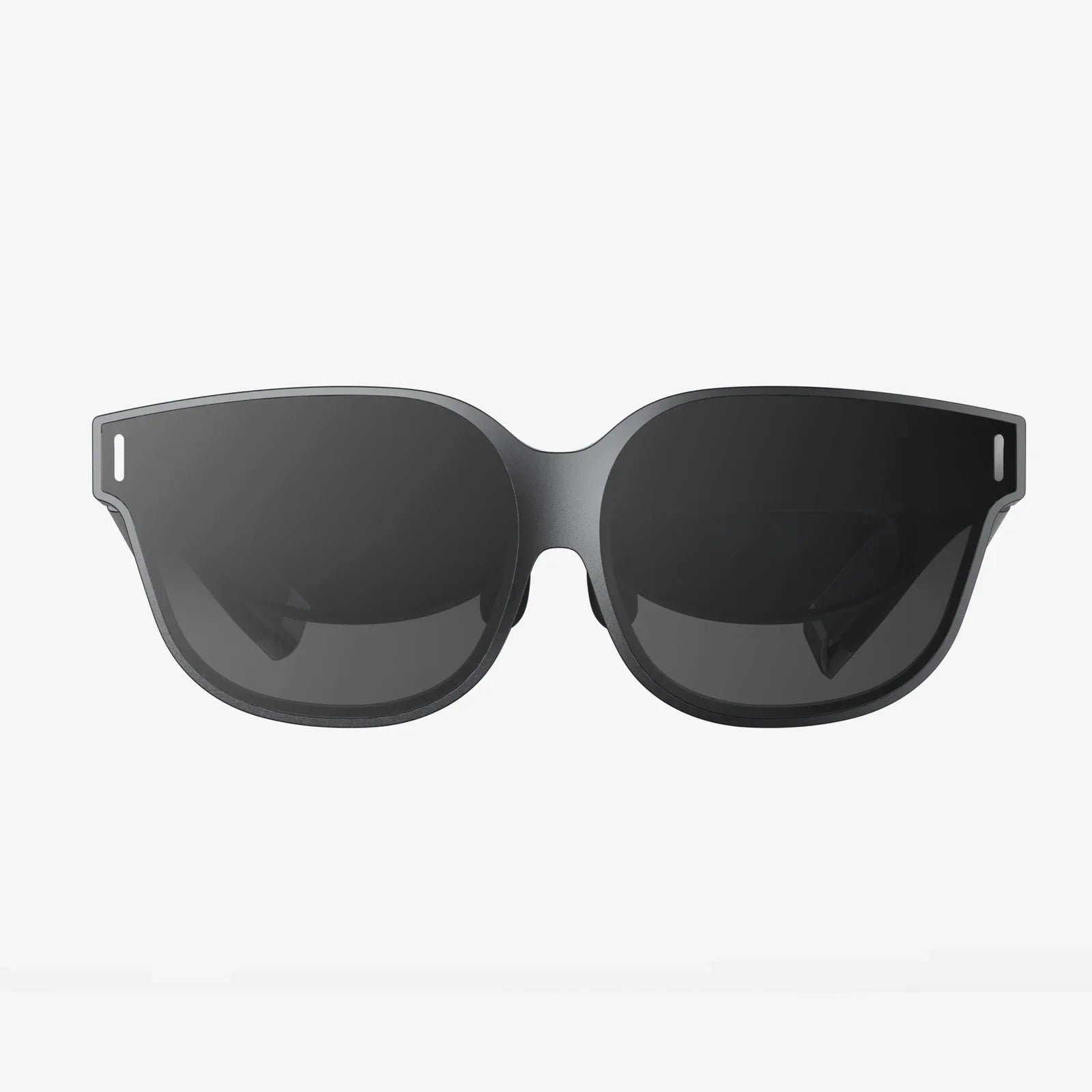
- by wangfred
Affordable Smart Wearables: The Democratization of Personal Technology
- by wangfred
Imagine a world where the most advanced health monitoring, instant connectivity, and personalized data insights are no longer luxuries reserved for the elite, but accessible tools for everyone. This is the promise and the rapidly unfolding reality of affordable smart wearables. Once a niche market for tech enthusiasts and the wealthy, smart wearables have undergone a dramatic transformation, shedding their premium price tags to become mainstream companions. This shift isn't just about cheaper gadgets; it's a fundamental democratization of technology that is empowering individuals to take unprecedented control over their health, fitness, and daily efficiency. The barrier to entry has crumbled, inviting a global audience to experience the benefits of a connected life, right from their wrist, ear, or clothing. The revolution is here, and it's surprisingly within reach.
Not long ago, the concept of a smart device that could track your heart rate, count your steps, and deliver notifications from your phone was the stuff of science fiction, or at least, a significant financial investment. Early adopters paid a premium to be part of an exclusive club. However, as with most technology, rapid innovation and economies of scale have worked their magic. The core components—sensors, processors, and batteries—have become dramatically cheaper and more efficient to produce. This cost reduction, combined with fierce market competition, has created a fertile ground for a new generation of devices that prioritize accessibility without a total compromise on capability. Manufacturers now focus on delivering core, high-value features that users truly need, rather than packing in expensive, rarely-used gimmicks. This strategic simplification is key to the affordability equation, proving that you don't need to pay for everything to get what matters most.
So, what exactly do you get when you step into the world of affordable smart wearables? The answer is: a surprising amount of utility.
While smartwatches and fitness bands dominate the conversation, affordability has blossomed across other wearable form factors. Smart rings offer a minimalist, discreet way to track sleep and activity, perfect for those who find wristwear cumbersome. Affordable wireless earbuds have evolved into smart wearable hubs themselves, featuring active noise cancellation for focus, instant voice assistant access, and even integrated fitness tracking. This diversification means there is an accessible entry point for nearly every preference and lifestyle, further breaking down the barriers to adoption.
The proliferation of affordable smart wearables is arguably having its most profound impact in the realm of public health. By putting data-driven insights into the hands of millions, these devices are fostering a new culture of preventive health awareness. Individuals are no longer passive patients; they are active participants in their well-being. Seeing a visual record of sedentary behavior can motivate someone to take a walk. Monitoring sleep patterns can reveal the impact of caffeine or late-night screen time, prompting healthier habits. Heart rate data during exercise helps users optimize their workouts and stay within safe zones. This constant feedback loop creates a powerful incentive for behavioral change. On a larger scale, the anonymized aggregation of this data can provide researchers with invaluable insights into population health trends, potentially guiding public health initiatives and medical research in the future.
With great data comes great responsibility. The intimate nature of the information collected by wearables—from your location patterns to your sleep cycles and heart rate—raises legitimate privacy and security concerns. It is paramount for consumers to understand how their data is being used, stored, and potentially shared. Reputable manufacturers of affordable devices are increasingly transparent about their privacy policies, offering users clear controls over their data. When choosing a device, it is critical to look for companies that prioritize end-to-end encryption, provide clear options to opt out of data sharing, and have a strong track record of protecting user information. The goal is to reap the benefits of personal analytics without becoming a data commodity.
The trajectory of affordable smart wearables points toward even deeper integration into our lives. We are moving towards a future where these devices will act as seamless gateways to our digital and physical worlds. Expect to see more advanced non-invasive health sensors, such as those for continuous glucose monitoring or blood pressure tracking, trickle down to affordable price points. Integration with smart home systems will allow your wearable to adjust the thermostat as you arrive home or turn off the lights when it detects you are asleep. The line between device and accessory will continue to blur, focusing on personalized, contextual, and proactive assistance that works quietly in the background to improve everyday living.
The era of affordable smart wearables has fundamentally shifted the question from "Can I afford this technology?" to "How can I afford not to embrace it?" These devices are no longer mere novelties; they are powerful, practical tools for enhancing well-being, boosting productivity, and navigating a connected world with greater intention and insight. The power to monitor, understand, and improve your life is now sitting on a store shelf, waiting for a fraction of the cost it once commanded. This accessibility is igniting a global shift towards data-empowered living, proving that the most impactful technologies are those that find their way into the hands of the many, not just the few.