


- by wangfred
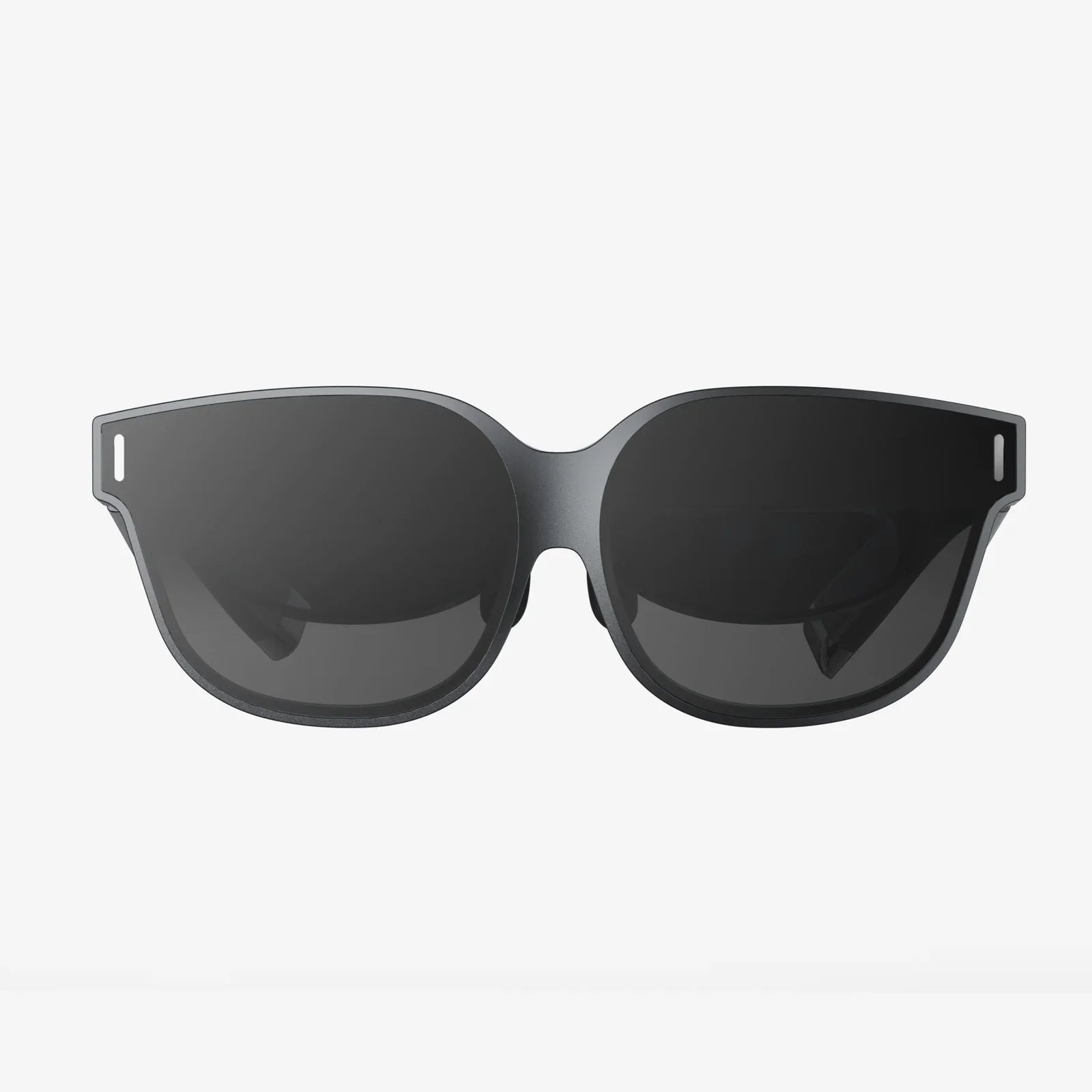
Affordable VR Goggles: Unlocking Virtual Worlds Without Breaking the Bank
- by wangfred
Imagine strapping on a headset and instantly being transported to a front-row concert seat, a serene beach, or the surface of Mars. For years, this futuristic experience seemed locked behind a prohibitively high price tag, a luxury reserved for hardcore gamers and tech enthusiasts with deep pockets. But a quiet revolution has been unfolding. The world of virtual reality has thrown open its doors, inviting everyone in. The key? The rapid emergence and evolution of truly affordable VR goggles. This isn't just about cheaper hardware; it's about fundamentally changing who gets to experience the magic of VR, transforming it from a niche hobby into a mainstream gateway to infinite possibilities.
The journey to affordable virtual reality is a classic tale of technological maturation. Early pioneers in the space faced immense research and development costs, pioneering new display technologies, tracking systems, and software platforms from the ground up. These initial investments were reflected in the steep cost of first-generation devices. They were, in essence, cutting-edge prototypes for the public.
However, as with any technology, economies of scale and innovation began to drive prices down. Component costs, especially for the small, high-resolution screens essential for a good VR experience, plummeted. Manufacturers found smarter, more cost-effective ways to achieve immersion. The most significant catalyst was the ubiquitous smartphone. By leveraging the powerful processor, high-pixel-density display, and sophisticated sensors already in millions of pockets, companies created a new category: mobile VR. This approach eliminated the need for expensive external computers or internal processors, slashing the entry cost to a mere fraction of its former self.
Today, the market is richer than ever. Consumers can choose from a spectrum of devices, from simple cardboard viewers that cost less than a movie ticket to robust, standalone headsets that offer a complete, untethered experience for a fraction of the cost of high-end models. This democratization means that curiosity, not financial capacity, is now the only prerequisite for exploration.
It's a fair question: does "affordable" mean a compromised, low-quality experience? The answer, resoundingly, is no. While budget-friendly options may not have every bell and whistle of their premium counterparts, the level of immersion and enjoyment they provide is astonishing.
Modern affordable VR goggles typically fall into two camps:
So, what can you actually do? The possibilities are vast. You can dive into casual games that have you swinging lightsabers or solving puzzles in immersive environments. You can take breathtaking 360-degree tours of global landmarks and natural wonders through dedicated video platforms. The world of education has been transformed, allowing students to take virtual field trips to ancient Rome or explore the human bloodstream from the inside. Furthermore, social VR platforms enable you to meet friends from across the globe in virtual spaces, watch movies together in a simulated cinema, or simply chat as if you were in the same room.
The true value of any technology lies in its software, and the ecosystem for affordable VR is thriving. App stores are filled with both free and paid content designed to showcase the potential of your device.
With so many options available, selecting the right pair of affordable VR goggles depends on your needs and existing technology. Here are key factors to consider:
The trajectory of affordable VR is one of relentless improvement. We can expect future generations to feature higher-resolution displays, better lenses to reduce the "screen door effect," improved battery life, and even more advanced inside-out tracking that requires no external sensors. As the technology becomes more commonplace, developers will continue to create richer, more engaging content aimed at a broad audience, not just hardcore gamers.
This accessibility is the key to VR's long-term success. By bringing down the barrier to entry, affordable headsets are creating a massive user base, which in turn incentivizes more investment and innovation. We are moving towards a future where VR headsets are as common in households as game consoles are today, serving as portals for work, play, learning, and socializing.
The era of exclusive, expensive virtual reality is over. Perched on the edge of your couch, you hold more power than ever before. A pair of affordable VR goggles is your ticket, your passport, your spaceship control panel. That dream of exploring the Louvre at midnight, attending a concert on a different continent, or simply playing a game in a world you've never seen is no longer a distant fantasy. It's a download away, waiting for you to take the leap and see what everyone is talking about. The virtual frontier is open for business, and the admission price is finally right.