


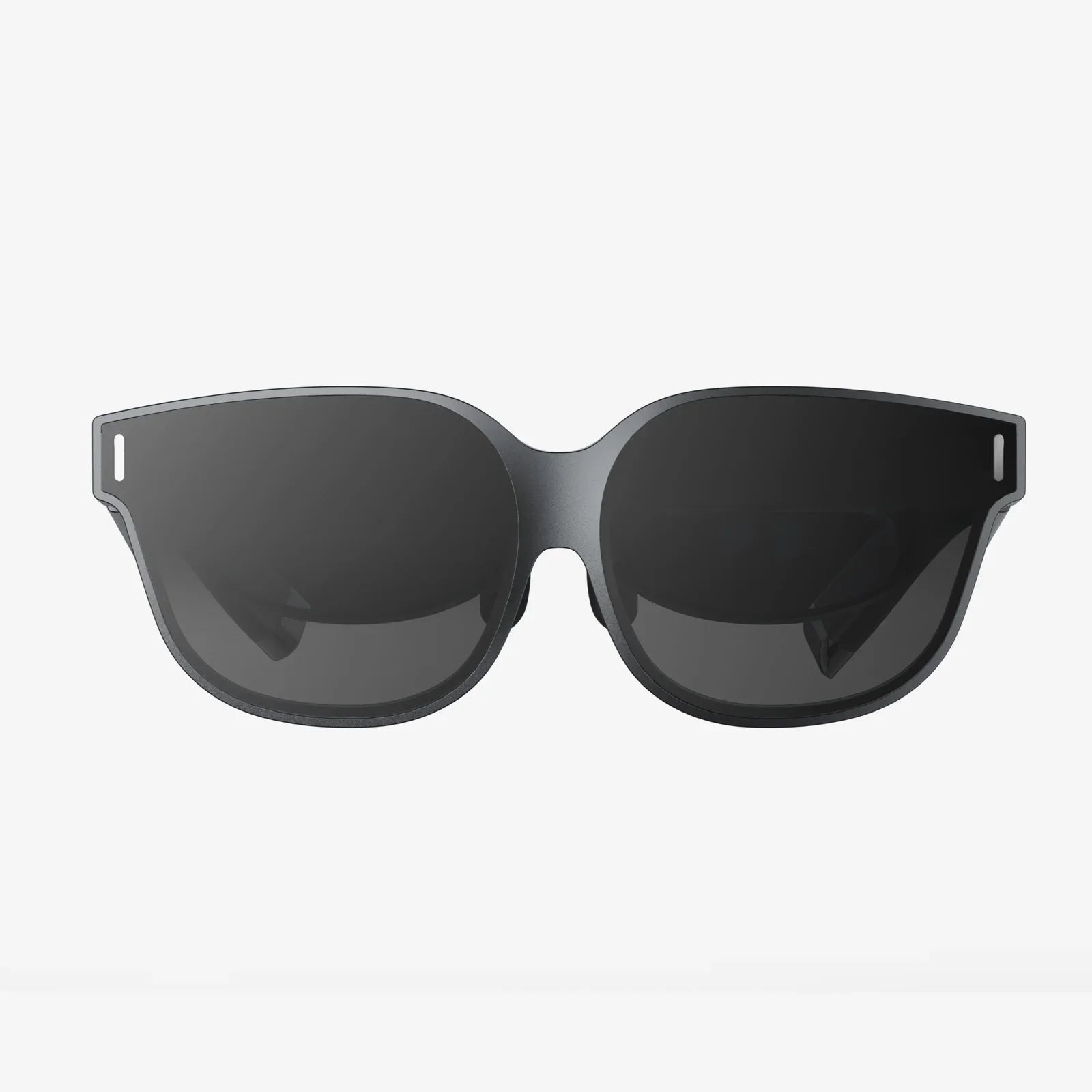
Imagine strapping on a headset and instantly being transported to a front-row concert seat, a virtual classroom with interactive 3D models, or an immersive game world—all without emptying your wallet. This is no longer a fantasy reserved for tech elites. The era of the truly affordable VR headset is here, democratizing virtual reality and bringing mind-bending experiences to the masses. The barrier to entry, once measured in thousands of dollars, has crumbled, opening a portal to new realities for everyone.
The Price Revolution: How VR Became Accessible
Not long ago, experiencing high-quality virtual reality required a significant financial commitment. The initial cost of entry was a formidable wall, separating early adopters from the general public. This landscape has undergone a seismic shift. Several key factors have converged to drive down prices and create a vibrant market for affordable VR headsets.
The first is economies of scale and manufacturing maturity. As the technology has evolved, manufacturing processes for core components like lenses, displays, and sensors have become more refined and efficient. What was once a complex, low-yield process is now a streamlined operation, significantly reducing the cost per unit.
Secondly, the rise of smartphone-based VR, though now less prominent, played a crucial role. By leveraging the powerful processors and high-resolution screens already in users' pockets, these early solutions demonstrated that compelling VR experiences could be delivered without bundling every component into the headset itself. This philosophy paved the way for more advanced standalone headsets that incorporate these learnings into a dedicated, yet cost-effective, package.
Finally, intense market competition has been a tremendous boon for consumers. As more companies enter the space, the push to offer the best value proposition has led to feature-rich devices at increasingly aggressive price points. This competition fuels innovation in cost-reduction without a corresponding reduction in the quality of the core experience.
Defining "Affordable" in the Virtual World
The term "affordable" is relative, but in today's VR market, it generally falls into two clear categories. The first encompasses capable standalone headsets. These all-in-one devices have the computer, display, and tracking systems built directly into the headset. They represent the most significant value, offering a complete, untethered VR system for a fraction of the historical cost of a PC-powered setup. They require no other hardware, making them incredibly accessible.
The second category is the entry-level PC-powered headset. While requiring a connection to a computer, these devices often benefit from lower prices by offloading the intense processing work to an external system. For those who already own a compatible gaming PC, this can be a very affordable path to higher-fidelity experiences.
What to Expect (and What to Compromise On) at a Lower Price
Choosing an affordable VR headset is an exercise in understanding smart compromises. Manufacturers achieve lower prices by making strategic decisions on components and features. You are unlikely to find the absolute highest resolution displays or the most expansive field of view on a budget device. However, the visual quality in modern affordable headsets is more than sufficient for immersion and enjoyment, representing a massive leap from earlier generations.
Similarly, processing power will be capable but not top-of-the-line. This means you can smoothly run a vast library of games and applications, but you may not be able to max out the graphical settings on the most demanding titles. Build materials might incorporate more plastics than premium metals, but the focus is on durability and comfort over luxury finishes.
The key takeaway is that these compromises are almost always made on premium features, not core features. You still get accurate motion tracking, a wide software library, and a truly engaging VR experience. The magic of presence—the feeling of actually being in a virtual space—is fully intact.
The Core Technologies Powering Budget-Friendly VR
Understanding the technology inside these headsets reveals how they deliver such compelling value. It's a fascinating blend of innovation and clever engineering.
Inside-Out Tracking
This has been a game-changer for affordability. Early high-end headsets required external sensors or base stations to be mounted around the room to track the user's movement. Modern affordable headsets almost universally use inside-out tracking. They have multiple cameras embedded on the headset itself that look outward, mapping the room and tracking the controllers simultaneously. This eliminates the need for expensive external hardware, simplifies setup, and reduces the overall system cost dramatically.
Mobile-Grade Processors and Displays
Standalone headsets utilize sophisticated mobile chipsets, similar to those found in high-end smartphones. These systems-on-a-chip (SoCs) are incredibly powerful and energy-efficient, capable of delivering impressive graphics and stable performance. The displays are also often Fast-Switch LCDs, which provide good resolution and clarity at a lower production cost than the OLED panels used in some premium devices.
3-Degrees of Freedom (3DoF) vs. 6-Degrees of Freedom (6DoF)
This is a critical distinction. Most modern affordable headsets offer 6DoF tracking for both the headset and controllers. This means they track your rotational movements (pitch, yaw, roll) and your translational movements (leaning side-to-side, moving forward/backward, crouching, and jumping). This is essential for full immersion and interaction in most games and experiences. Some ultra-low-cost options may only offer 3DoF (rotation only), which severely limits interactivity and is best suited for 360-degree video viewing rather than gaming.
The Rich and Growing World of Affordable VR Content
A hardware platform is nothing without software, and the ecosystem for affordable VR is overflowing with content. Major digital storefronts are packed with thousands of titles spanning every genre imaginable.
- Gaming: From rhythm games like Beat Saber and puzzle adventures to first-person shooters and social experiences, the library is vast. Many of the most popular VR titles are optimized to run flawlessly on standalone hardware.
- Fitness: VR has emerged as a legitimate fitness tool. Affordable headsets host a range of apps that turn workouts into fun, engaging games, from boxing and dancing to rhythm-based cycling.
- Social Connection: Platforms exist that allow you to meet friends in virtual spaces, watch movies together, play games, and attend live events, making distance feel irrelevant.
- Education and Exploration: Travel the world through immersive 360-degree videos, explore the human body in 3D, visit historical sites, or create art in a virtual space.
The abundance of content ensures that an affordable VR headset is not a one-trick pony but a versatile platform for entertainment, creativity, and connection.
Who is the Affordable VR Headset For?
The audience for these devices is incredibly broad.
- First-Time VR Users: This is the perfect entry point. The low risk investment allows newcomers to explore virtual reality and see if it resonates with them before considering a more expensive upgrade.
- Families and Casual Gamers: Affordable headsets offer a fantastic way for families to experience VR together. The content is often accessible and fun for a wide range of ages.
- Fitness Enthusiasts: For those looking for a new way to break a sweat, VR fitness apps provide a compelling and fun alternative to the gym.
- Educators and Students: The price point makes it feasible for schools and institutions to incorporate VR into their curricula, offering immersive learning experiences that were previously too costly.
Maximizing Your Investment: Tips for Buyers
To ensure you get the best experience from your affordable VR headset, keep these tips in mind.
- Research the Ecosystem: Before buying, browse the associated app store. Ensure the games and experiences you're most excited about are available and run well on that specific hardware.
- Check for Hidden Costs: While the headset itself is affordable, factor in the cost of software. Many of the best games are premium titles. However, there are also many free experiences and demos available.
- Consider Comfort: If possible, try the headset on. Comfort is highly subjective. Look for models with adjustable straps, interchangeable facial interfaces, and good weight distribution, as you'll likely be wearing it for extended periods.
- Plan Your Play Space: Clear a safe area free of obstacles for room-scale experiences. This ensures you can move freely and avoids accidents.
- Manage Expectations: Remember the smart compromises. You're buying a gateway to VR, not the ultimate high-fidelity experience. Embrace the magic of the technology at this accessible level.
The Future is Virtual and Accessible
The trend toward affordability shows no signs of slowing down. We can expect future generations of headsets to become even more capable at these accessible price points. Advancements in lens technology (like pancake lenses for slimmer designs), improved resolution, and more efficient processors will continue to trickle down from premium to budget models. The goal is no longer just to create VR, but to create VR for everyone, everywhere.
The door to virtual reality is wide open, and the ticket price has never been lower. Affordable VR headsets have successfully broken the cycle of exclusivity, transforming a cutting-edge novelty into a mainstream entertainment and productivity platform. They represent the most significant step yet in making the transformative power of virtual reality a tangible part of our everyday lives.
Stop wondering what it's like to step into another world and start experiencing it for yourself. The immersive worlds of gaming, the thrill of virtual travel, the intensity of a VR workout, and the connection of social spaces are all waiting for you. This is your sign to finally take the plunge and discover why affordable VR is the most exciting development in consumer technology, offering unparalleled value and opening your eyes to realities you never thought possible.
Share:
Headphones for Glasses Wearers: The Ultimate Guide to Uncompromised Comfort and Audio Fidelity
Headphones for Glasses Wearers: The Ultimate Guide to Uncompromised Comfort and Audio Fidelity