


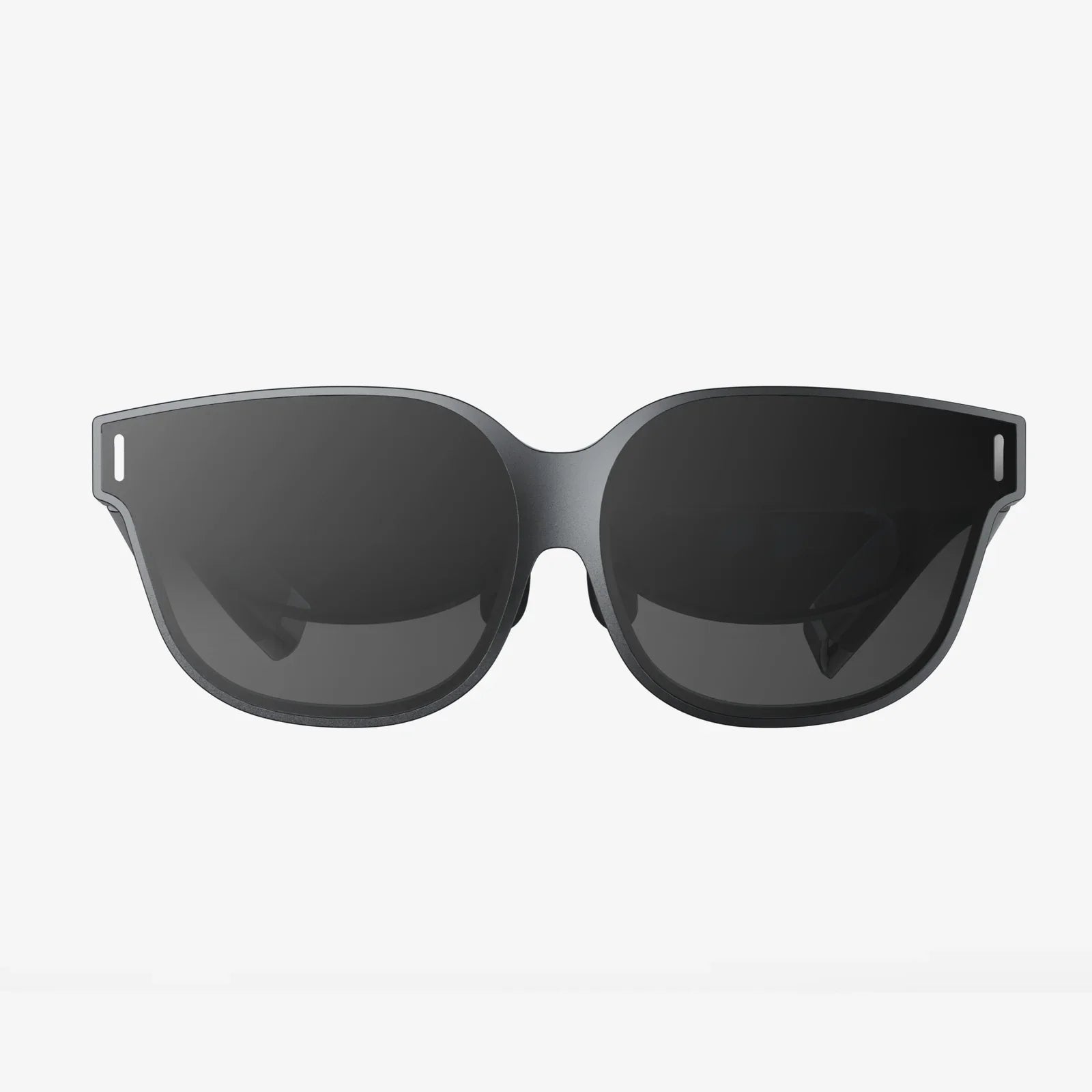
- by wangfred
Affordable VR: How Low-Cost Headsets Are Democratizing Virtual Reality
- by wangfred
Remember when virtual reality was the stuff of science fiction, a futuristic dream reserved for well-funded labs and enthusiasts with deep pockets? That reality has been completely upended. A quiet revolution is underway, and it’s not powered by multi-thousand-dollar setups but by a new generation of accessible, affordable VR headsets that are throwing the doors to digital worlds wide open. The era of exclusive, prohibitively expensive tech is over; welcome to the age of immersive experiences for everyone.
Not long ago, entering the world of high-fidelity VR required a significant financial commitment. The total cost of entry was a formidable barrier. A premium headset alone could cost as much as a high-end computer, and that was just the beginning. Users needed a powerful gaming PC with a specific high-performance graphics card, adding over a thousand dollars to the tab. This was followed by the purchase of external sensors for room-scale tracking, proprietary controllers, and a library of software that rarely went on sale. For the average consumer, it was an insurmountable wall of expense, relegating VR to a small, dedicated, and affluent subset of tech enthusiasts.
This high barrier to entry created a catch-22 for the industry. Development costs for VR games and applications were high, but the potential customer base was small, limiting return on investment and discouraging major studios from entering the space. This, in turn, limited the software library, which further discouraged widespread adoption. VR was stuck in a niche, a dazzling technological promise waiting for its moment to break into the mainstream.
The shift towards affordability wasn't accidental; it was driven by deliberate innovation and strategic market moves. Several key technological advancements acted as catalysts, fundamentally changing how headsets are designed and manufactured.
The single most important driver of affordable VR has been the development of the standalone headset. By integrating the necessary processors, sensors, and batteries into the headset itself, manufacturers eliminated the need for an expensive external computer. This was a monumental leap. Suddenly, the entire VR system was contained in one device, slashing the total cost of ownership by more than half. These all-in-one units offered a wire-free, convenient experience that was not only cheaper but also more user-friendly, removing the technical complexity of setup and compatibility.
Early VR systems relied on external sensors or base stations placed around a room to track the user's movement. This was effective but added to the cost, complexity, and setup time. The adoption of inside-out tracking changed everything. This technology uses cameras and sensors embedded directly on the headset to map the physical environment and track the controllers. It simplified the user experience immensely—just put on the headset and you're ready to go—while simultaneously reducing hardware costs by removing the need for external peripherals.
As the technology matured and manufacturing processes improved, the cost of components like high-resolution displays, inertial measurement units (IMUs), and mobile processors began to fall. Increased competition in the market further accelerated this trend. With multiple companies vying for the attention of a growing audience, pricing became more aggressive, and manufacturers were forced to find new efficiencies to hit lower price points without sacrificing a quality experience.
Today, the VR market looks radically different. The options for affordable VR are diverse and powerful, typically falling into two main categories.
This category represents the heart of the affordable VR movement. These devices offer a complete, untethered experience out of the box. Priced competitively, they provide access to vast digital storefronts filled with games, social experiences, fitness apps, and educational content. Their performance is impressive, capable of delivering smooth, engaging experiences that, a few years ago, would have required a tethered connection. They have become the default entry point for millions of new users worldwide.
While its popularity has waned with the rise of standalone headsets, smartphone-based VR played a crucial historical role as a gateway drug. By leveraging the screen and processing power of a smartphone, these simple headsets offered a tantalizing, low-cost glimpse into virtual worlds. Though limited in processing power and interactivity, they introduced the core concept of VR to a massive audience and demonstrated a clear consumer appetite for accessible immersive experiences.
The impact of affordable VR extends far beyond the realm of entertainment. By democratizing access, it has unlocked transformative applications across numerous sectors.
In classrooms, students can now take virtual field trips to the Roman Colosseum, the surface of Mars, or the human bloodstream. Medical students can practice complex surgical procedures in a risk-free virtual environment. Technical trainees can learn to operate heavy machinery or repair complex systems. Affordable VR makes these experiential learning tools scalable, allowing schools and institutions with limited budgets to provide unparalleled educational opportunities.
Social VR platforms have become vibrant digital meeting spaces where people can gather, play games, watch movies, and collaborate as if they were in the same room. For remote work, affordable headsets enable immersive meetings where teams can interact with 3D models, brainstorm on virtual whiteboards, and foster a sense of presence that video calls cannot match. This technology is breaking down geographical barriers and creating new paradigms for human interaction.
Artists, architects, and designers are using affordable VR to create and visualize in three-dimensional space. Applications allow users to sculpt, paint, and design in VR, offering intuitive tools that were previously expensive and complex. A budding architect can walk a client through a building design long before ground is broken, and an artist can create monumental sculptures without the cost of physical materials.
The VR fitness genre has exploded. A plethora of engaging apps offer full-body workouts, rhythm games that get the heart pumping, and guided meditation experiences that transport users to serene environments. Affordable VR has effectively put a personal gym and a sanctuary for mental health in millions of living rooms, making fitness more accessible and enjoyable.
While the benefits are immense, it's important to have a realistic understanding of the compromises inherent in affordable VR. The quest for a lower price point inevitably involves trade-offs.
Processing power is the most significant. Standalone headsets run on mobile chipsets, which, while impressive, cannot match the raw graphical fidelity and complexity of an experience powered by a top-tier gaming PC. This can result in simpler visuals, less detailed environments, and sometimes a lower rendering resolution. Battery life is another constraint; most standalone devices offer two to three hours of continuous use, requiring breaks for charging during longer sessions.
Furthermore, the field of view (how much of the virtual world you can see at once) and the overall comfort and build quality of the materials may not be on par with their premium counterparts. However, for the vast majority of users—especially those new to VR—these trade-offs are a small price to pay for the incredible accessibility and convenience they gain in return.
The trajectory of affordable VR points toward even greater immersion and accessibility. Several emerging technologies promise to enhance the experience without inflating the cost.
Eye-tracking technology, once a premium feature, is beginning to trickle down. This allows for foveated rendering, where the headset renders only the area you're directly looking at in high detail, drastically reducing the processing power needed and enabling better graphics on standalone hardware. It also enables more intuitive social interactions by allowing avatars to make natural eye contact.
Improvements in pancake lenses are creating headsets that are significantly thinner, lighter, and more comfortable without sacrificing optical quality. Advancements in mixed reality (MR) are also becoming standard, with high-resolution color passthrough cameras allowing users to blend digital objects with their physical surroundings, opening up a new universe of productivity and entertainment applications.
As these technologies mature and become cheaper to produce, the line between "affordable" and "premium" will continue to blur. The fundamental experience of VR will become richer, more comfortable, and more integrated into our daily lives, all while remaining within reach of a global audience.
So, what are you waiting for? The question is no longer if you can afford to step into virtual reality, but which incredible world you'll choose to explore first. The once-distant future is now sitting on a shelf at your local electronics store, waiting to redefine your perception of play, work, learning, and connection. The revolution isn't coming; it's already here, and it's inviting you to put on a headset and dive in.
Share:
At Home VR: The Ultimate Gateway to Boundless Virtual Worlds
Bluetooth Eyewear Sunglasses: The Ultimate Fusion of Audio, Style, and Sun Protection