


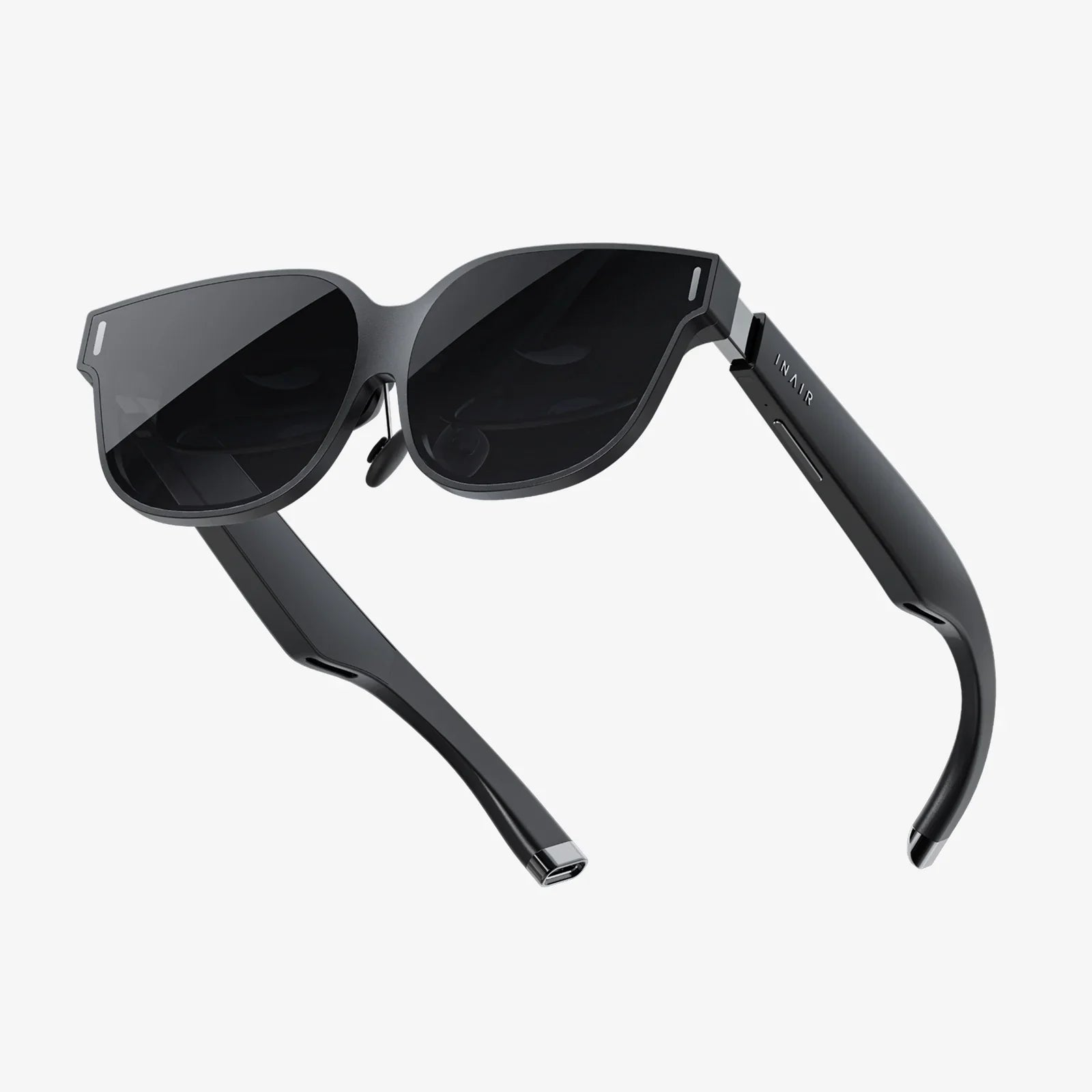
Imagine a world where your most tedious tasks are handled before you even think of them, where information flows to you effortlessly, and your creative potential is amplified by an invisible, ever-present partner. This is not a distant science fiction fantasy; it is the rapidly crystallizing reality of the AI assistant, a technological evolution so profound it is quietly rewriting the rules of work, creativity, and human-computer interaction. The journey from clunky voice recognition to today's sophisticated, context-aware digital companions represents one of the most significant shifts in how we interface with technology, promising a future of unprecedented efficiency and personalized support.
The Architectural Blueprint: How an AI Assistant Truly Works
To the average user, an AI assistant can seem like magic—a digital genie waiting to grant commands. But beneath the sleek interface lies a complex symphony of interconnected technologies. At its core, the modern AI assistant is built upon a foundation of Natural Language Processing (NLP) and Natural Language Understanding (NLU). These are the technologies that allow the system to parse human language, decipher intent from often ambiguous commands, and grasp the nuances of context and sentiment. It's what allows you to say, "I'm cold" and have the assistant understand you want the thermostat adjusted, rather than just registering a statement of fact.
The next critical layer is machine learning, and more specifically, deep learning models trained on colossal datasets of text, code, and human interaction. These models don't just follow pre-programmed scripts; they learn patterns, predict user needs, and continuously refine their responses. This predictive capability is what transforms a simple reactive tool into a proactive assistant. By analyzing your calendar, commute patterns, and preferences, it can suggest leaving early for an appointment due to traffic or remind you to wish a contact a happy birthday.
Finally, the assistant's power is unlocked through application programming interfaces (APIs) that connect it to a vast ecosystem of other services and devices. This connectivity is the key to its utility. It's not just an island of intelligence; it's a central hub that can control your smart home, manage your email, place grocery orders, and synthesize information from the web, all through a single, conversational interface. This seamless integration across the digital and physical worlds is what makes the technology so transformative.
Beyond Commands: The Multifaceted Roles of a Modern Assistant
The evolution of the AI assistant has seen its role expand far beyond setting timers and playing music. It has become a multifaceted tool, wearing many hats depending on the user's immediate need.
The Ultimate Productivity Engine
In the professional sphere, the AI assistant is revolutionizing productivity. It can draft emails, summarize lengthy reports and meeting transcripts, manage complex scheduling across time zones, and even generate initial code snippets or marketing copy. It acts as a tireless research assistant, capable of sifting through vast amounts of data to find relevant information, identify trends, and present concise answers. This offloading of cognitive labor allows professionals to focus on higher-level strategy, creative thinking, and human-centric tasks like negotiation and mentorship.
A Catalyst for Creativity and Innovation
Perhaps the most surprising role has been that of a creative partner. Writers, designers, and musicians are using AI assistants as brainstorming tools to overcome creative block. A writer can ask for ten metaphors for loneliness; a designer can request color palette suggestions based on a specific emotion; a musician can generate a chord progression in a style they wish to explore. The assistant doesn't replace the artist but acts as a source of inspiration and a means to rapidly iterate on ideas, pushing the creative process in unexpected and novel directions.
The Personalized Learning Companion
Education is another frontier being reshaped. An AI assistant can serve as a infinitely patient tutor, adapting its explanations to a student's unique learning style and pace. It can quiz a student on a topic, provide immediate feedback, and generate practice problems tailored to their weaknesses. For lifelong learners, it provides a powerful interface for knowledge, capable of explaining complex scientific concepts or historical events in simple, digestible terms, effectively democratizing access to information.
Guardian of Well-being and Daily Logistics
On a personal level, AI assistants are becoming central to managing our health and daily lives. They can track fitness goals, suggest meals based on dietary restrictions and what's in the refrigerator, and provide reminders for medication. They can manage household inventory, automatically reordering staples, and optimizing energy usage across connected devices. For families, they can coordinate complex schedules, sending reminders to different members and ensuring everyone is where they need to be.
The Double-Edged Sword: Ethical Considerations and Societal Impact
This immense power does not come without significant questions and potential pitfalls. The widespread adoption of AI assistants forces us to confront deep ethical and societal challenges that we are only beginning to grapple with.
Privacy and the Data Dilemma
To function effectively, an AI assistant must know its user intimately. It has access to emails, calendars, location data, search history, and private conversations. This creates an unprecedented concentration of personal data. Who owns this data? How is it being used and secured? The potential for misuse, either through commercial exploitation or malicious hacking, is enormous. Users are right to be concerned about a constant, always-listening presence in their homes and pockets, and the industry must prioritize transparent data policies and robust, privacy-by-design security frameworks.
Algorithmic Bias and the Perpetuation of Inequality
AI models are trained on data created by humans, and humans are biased. There is a well-documented risk of these assistants perpetuating and even amplifying societal biases related to race, gender, and culture. If not carefully audited and corrected, they could offer prejudiced advice, make unfair assumptions, or fail to understand dialects and accents from minority groups. Ensuring these tools are fair, equitable, and inclusive is not a technical afterthought but a fundamental requirement for their ethical deployment.
The Erosion of Human Skills and Critical Thinking
As we offload more cognitive tasks to AI, a critical question arises: are we at risk of losing our own abilities? If an assistant always drafts our emails, will our writing skills atrophy? If it handles all scheduling and reminders, will our own organizational capabilities diminish? There is a danger of over-reliance, where human judgment is sidelined. The goal must be to use the assistant as a tool for augmentation, not replacement, ensuring that we remain the masters of our technology, not its servants.
The Economic Disruption and the Future of Work
The automation capabilities of advanced AI assistants will inevitably disrupt job markets. Roles centered around administrative tasks, data entry, and basic customer service are likely to be transformed. This necessitates a societal shift towards re-skilling and up-skilling the workforce, focusing on uniquely human skills like empathy, complex problem-solving, and creativity—areas where AI currently complements rather than replaces. The conversation must move from job replacement to job transformation.
The Horizon: What Does the Future Hold for AI Assistants?
The technology is still in its relative infancy, and its future trajectory points toward even deeper integration into our lives. We are moving towards assistants that are proactive, anticipatory, and multi-modal.
Future iterations will move beyond responding to commands to predicting needs with startling accuracy. Imagine an assistant that analyzes your work stress levels through calendar density and communication patterns and proactively schedules a break, suggests a mindfulness exercise, or blocks out focus time. This shift from passive tool to active partner will redefine the user relationship.
Furthermore, interaction will become truly multi-modal, seamlessly blending voice, text, gesture, and even contextual awareness. You might point a camera at a broken appliance, and the assistant overlays repair instructions using augmented reality, all while ordering the necessary part. Or it could analyze the expressions and tone of participants in a video meeting to provide real-time feedback on the group's engagement and sentiment.
The ultimate evolution may be towards a personalized agent that represents you in the digital world—an entity that understands your preferences, values, and goals so deeply that it can autonomously negotiate schedules, filter information, and make low-stakes decisions on your behalf, all while keeping you informed and in ultimate control.
The AI assistant is no longer a mere gadget; it is the manifestation of a new era of computing, one that is intuitive, contextual, and deeply personal. It holds the mirror to our own ambitions and anxieties about technology. Its successful integration into society will depend not just on technological breakthroughs in algorithms and processing power, but on our collective wisdom to guide its development with a strong ethical compass, ensuring that this powerful tool is used to augment humanity, not diminish it. The invisible revolution is already here, and its full impact is yet to be written.
This silent partner, humming in the cloud and nestled in our devices, is poised to become the single most transformative interface of the next decade, reshaping everything from how we manage our homes to how we conceive our own potential. The question is no longer if you will use an AI assistant, but how you will harness its power to build a more efficient, creative, and perhaps even more human, future for yourself.
Share:
AR Market Projections: Charting the Course of a Digital Revolution
Smart Devices Interacting: The Silent Conversation Reshaping Our Daily Lives