


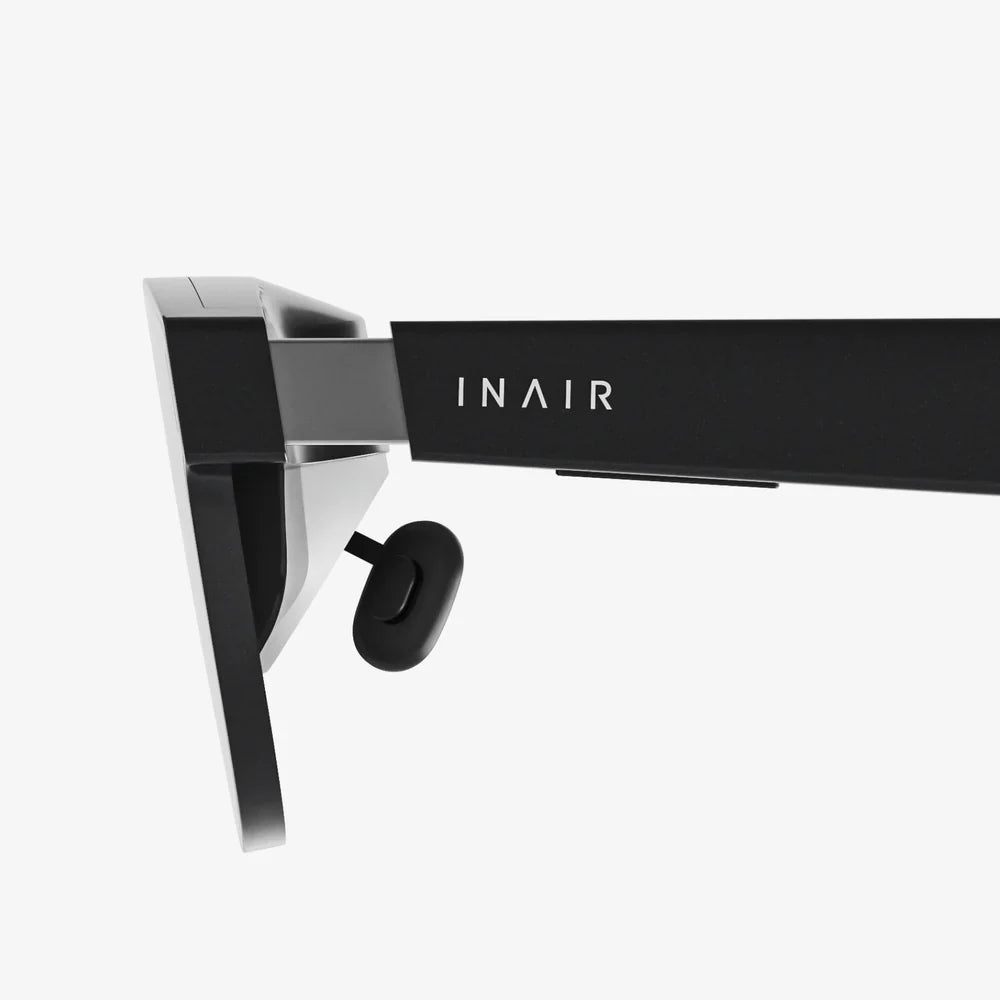
The buzz was palpable, a constant hum of excitement that seemed to vibrate through the very floors of the Las Vegas Convention Center. Around every corner, past the sprawling booths of established tech giants and the ambitious displays of startups, a new archetype of device was emerging from the realm of science fiction into tangible, demonstrable reality. This year, it wasn’t just about incremental upgrades to televisions or faster processors; it was about a fundamental shift in how we interact with the digital world. The star of the show was a category of wearable that promised to seamlessly blend our physical and digital realities, and its presence was everywhere. The conversation had definitively moved on from whether this technology was possible to how soon it would be integrated into our daily lives.
Beyond the Hype: Defining the Modern AI-Powered Spectacles
To understand the significance of this shift, one must first look past the simple form factor. These are not merely screens placed closer to the eyes. The modern iteration of smart eyewear represents a convergence of several critical technological advancements. At its core, it is a sophisticated platform comprising advanced micro-displays, a suite of sensors, powerful on-device processing, and a constant, low-latency connection to cloud networks.
The true intelligence lies in the fusion of these components. Miniaturized cameras and sensors act as the device’s eyes and ears, continuously capturing the user’s environment. This raw data is then processed by specialized neural processing units (NPUs) capable of handling complex machine learning tasks in real-time. This on-device AI is crucial; it allows for immediate recognition of objects, text, and people without the lag of sending data to a remote server. This enables a form of contextual computing where the device understands not just your commands, but your situation. It’s the difference between a tool that waits for instructions and an assistant that anticipates needs.
The Engine Room: Core Technologies Powering the Vision
The seamless experience demonstrated on the show floor belies the immense engineering challenges overcome to create these devices. Several key technologies reached a maturity at this event that made widespread adoption seem imminent.
Advanced Display Systems
The battle between display technologies was a quiet undercurrent throughout the event. Waveguide technology, which uses microscopic gratings to project light directly into the retina, was prominently featured, offering a sleek form factor that resembles traditional eyewear. Competing technologies, like microLED arrays projected onto lenses, offered alternative paths, each with trade-offs in brightness, field of view, and power consumption. The consistent goal was clear: to create bright, high-resolution, and energy-efficient displays that are visible in all lighting conditions without obscuring the user’s natural view of the world.
The On-Device AI Revolution
Perhaps the most critical advancement was in the chipsets powering these glasses. Dedicated AI accelerators and NPUs are now small and efficient enough to be housed in the eyewear’s frame. This local processing is the bedrock of privacy and responsiveness. It means sensitive data like live camera feeds can be analyzed on the spot for tasks like translation or object recognition, with only the necessary result being displayed to the user. This eliminates the privacy nightmare of constantly streaming your first-person view to the cloud and enables instant feedback, which is essential for practical utility.
Sensor Fusion and Spatial Awareness
These devices are packed with an array of sensors—accelerometers, gyroscopes, magnetometers, and often depth sensors or LiDAR. By fusing this data, the glasses can understand their position in space with remarkable accuracy. They map the room you’re in, understand the geometry of surfaces, and can place digital objects persistently in your environment. This spatial intelligence is what transforms them from a personal heads-up display into a platform for augmented reality, enabling digital content to interact meaningfully with the physical world.
From Novelty to Necessity: Practical Applications Unveiled
The demonstrations moved far beyond the gimmicky games of years past. The focus was squarely on solving real-world problems and enhancing human capability across various domains.
Real-Time Translation and Accessibility
One of the most compelling use cases shown was real-time language translation. Imagine conversing with someone speaking a different language, and subtitles of their translated speech appear seamlessly in your field of view, as if the world itself is subtitled. Furthermore, for the hearing impaired, demonstrations showed speech-to-text transcription happening live, turning conversations into readable text overlays. This application alone has the power to break down profound communication barriers.
Enhanced Navigation and Contextual Information
Forget holding up a phone to navigate a new city. Prototypes showcased intuitive navigation arrows and directions overlaid directly onto the streets ahead. More impressively, contextual information layers were demonstrated: look at a restaurant, and see its reviews and menu highlights; look at a landmark, and receive a brief historical summary. This concept of an "information lens" on the world promises to revolutionize tourism, education, and simply exploring one’s own city.
Professional and Industrial Empowerment
The potential for enterprise was a major theme. Technicians could have schematic diagrams overlaid onto the machinery they are repairing, with step-by-step instructions guiding their hands. Medical students could practice procedures on digital overlays. Warehouse workers could have picking and packing information visually guided to the exact shelf and item, drastically improving efficiency and reducing errors. The value proposition for businesses, in terms of training, safety, and productivity, is enormous.
Navigating the Minefield: Privacy, Security, and Social Acceptance
With this powerful new capability comes significant responsibility. The specter of a society where people can record video, identify strangers, and pull up personal data discreetly raises alarm bells. The event’s discussions were not solely celebratory; they were deeply engaged with these critical ethical questions.
How do we prevent these devices from becoming the ultimate tool for surveillance? The consensus among ethical developers leaned heavily on a principle of "privacy by design." This includes physical indicators like LED lights that clearly signal when recording is active, even if software-controlled. More importantly, it mandates the on-device processing discussed earlier, ensuring that the most sensitive data never leaves the user’s control. Clear, transparent user controls over data collection and robust encryption were presented not as features, but as fundamental requirements.
Furthermore, the social contract around these devices will need to be rewritten. The social awkwardness of talking to someone wearing cameras on their face is a significant barrier to adoption. Manufacturers are keenly aware that for these to succeed, they must be socially acceptable. This means designs that are fashionable and indistinguishable from regular glasses, and user interfaces that are subtle and non-intrusive, allowing users to remain present in their real-world interactions.
The Road Ahead: Challenges and the Path to Mass Adoption
Despite the incredible progress, the path to every person wearing a pair of AI-powered spectacles is not without its hurdles. Battery life remains a persistent challenge. Powering bright displays, multiple sensors, and constant AI processing demands a lot of energy, and fitting a sufficient battery into the slim arms of glasses is an engineering tightrope walk. Many prototypes relied on a tethered battery pack, a solution that works for early adopters but not for the mainstream.
Beyond hardware, the software ecosystem needs to flourish. A killer app—the equivalent of the smartphone’s web browser or app store—is still emerging. Developers need robust and standardized tools to create experiences that feel native and magical. Interoperability between different devices and platforms will also be key to building a cohesive digital layer over our world, rather than a series of walled gardens.
Finally, price will be a determining factor. The advanced technology packed into these early models commands a premium price. For this to become a universal tool, costs must come down significantly through economies of scale and technological refinement.
The energy on the show floor was a powerful indicator that this technology is transitioning from a promising concept to a commercial product. The iterations were faster, the demos were smoother, and the use cases were more persuasive than ever before. While the perfect, all-day, socially invisible pair of AI glasses may still be a generation or two away, the foundation has been undeniably laid. We are no longer waiting for the future to arrive; we are trying it on for size.
Share:
Multi Screen AR Glasses Are Revolutionizing Personal Computing and Entertainment
Augmented Reality Production Augmented Reality: The Invisible Engine Reshaping Our World