


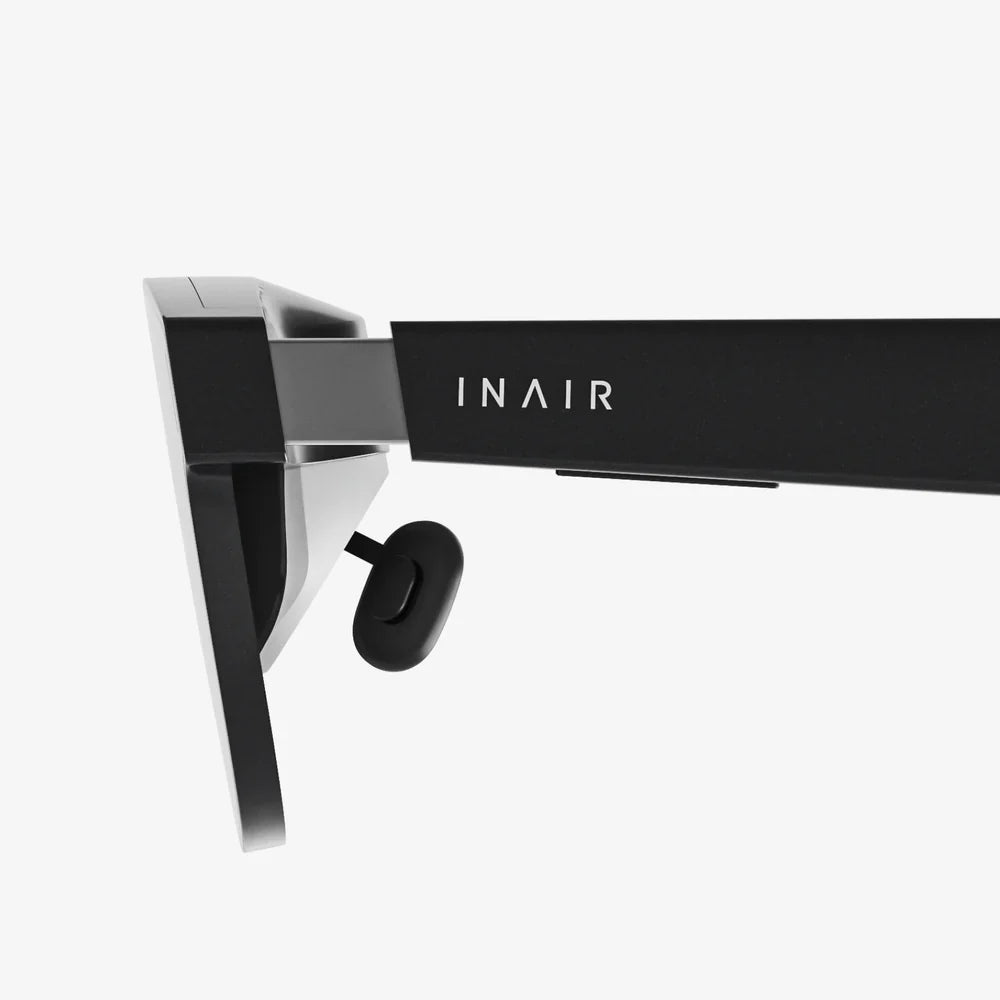
Imagine a world where your eyewear doesn't just help you see better but thinks alongside you, translating languages in real-time, identifying objects with a glance, and overlaying digital information seamlessly onto your physical reality. This isn't science fiction—it's the reality of 2025's AI glasses market, a rapidly evolving landscape where cutting-edge technology meets everyday life. The race to dominate your field of vision is hotter than ever, and choosing the right pair requires navigating a complex ecosystem of features, form factors, and functionalities. This comprehensive comparison cuts through the hype to deliver everything you need to make an informed decision in this exciting new category of personal technology.
The State of AI Glasses in 2025
The market for AI-powered eyewear has matured significantly since its nascent beginnings. What was once a niche product for developers and tech enthusiasts has exploded into a mainstream category, with numerous manufacturers offering devices tailored for productivity, accessibility, entertainment, and specialized professional use. The core differentiator in 2025 is no longer just the presence of artificial intelligence, but the sophistication of its implementation. We are seeing a shift from cloud-dependent processing to powerful on-device neural processing units (NPUs) that enable faster response times, enhanced privacy, and more complex functionalities without a constant internet connection. This fundamental hardware evolution has unlocked new possibilities and created clear tiers within the market.
Key Comparison Categories for 2025
When evaluating the plethora of options available, it's crucial to break down the comparison into distinct, critical categories. Performance is no longer a single metric but a blend of several factors.
Processing Power and On-Device AI
The brain of any AI glass is its processing chipset. In 2025, the most capable models feature dedicated NPUs designed specifically for low-power, high-efficiency machine learning tasks. This allows for real-time computer vision, natural language processing, and complex environmental analysis directly on the glasses themselves. When comparing models, look for specifications detailing TOPS (Tera Operations Per Second) for the NPU, which gives a clear indicator of raw AI processing capability. Higher TOPS generally translate to faster, more responsive features like instant object translation or more accurate scene recognition. Battery life is intrinsically linked to processing efficiency; a powerful but inefficient chip will leave you stranded with dead glasses by midday.
Display Technology: AR vs. Audio-Centric
A major fork in the road for 2025's offerings is the display. Two distinct philosophies have emerged:
- Augmented Reality (AR) Displays: These glasses project digital images and information onto transparent waveguides or micro-LED screens within the lenses. Comparisons should focus on field of view (FOV—a wider FOV means a larger digital canvas), brightness (nits rating for visibility outdoors), resolution, and the perceived realism of the overlay. Some 2025 models use laser beam scanning (LBS) for incredibly sharp images, while others favor digital light field displays for more comfortable long-term use.
- Audio-Centric Smart Glasses: This category foregoes visual overlays entirely, focusing instead on premium spatial audio, advanced bone conduction or directional speaker technology for private listening, and AI-powered voice assistants. The comparison here shifts to sound quality, microphone clarity for voice commands in noisy environments, and battery life for music playback.
Battery Life and Charging Solutions
Battery performance remains a primary pain point and a key differentiator. Specifications can be misleading, as 'all-day battery' often refers to mixed usage of audio and minimal AI features. For a true comparison, scrutinize the stated battery life for continuous AR use or continuous AI vision processing. The best 2025 models have innovated with swappable battery systems in the temples or sleek magnetic charging cases that provide multiple full charges on the go. Wireless charging is now table stakes, with some flagship models even offering reverse wireless charging compatibility with modern smartphones.
Design, Form Factor, and Wearability
Technology is useless if it's not comfortable to wear. The most significant trend in 2025 is the move towards 'normalization'—designs that are indistinguishable from high-end traditional eyewear. Compare weight, frame material (titanium offers a great strength-to-weight ratio), and lens options (including compatibility with prescription lenses). The best designs distribute the battery and compute modules evenly to avoid awkward weighting on one side of the head. Look for models offering multiple frame styles to suit different face shapes and personal aesthetics.
Software Ecosystem and AI Capabilities
The hardware is only as good as the software it runs. This is the soul of the device. When comparing, investigate the depth and intelligence of the native AI assistant. Can it contextually understand what you're looking at? How robust is the real-time translation feature, and how many languages are supported offline? Is there a dedicated app store with a healthy ecosystem of third-party applications? Furthermore, examine the privacy controls. Since these devices often have cameras and microphones, how data is handled, processed, and stored is a paramount concern. The leading models in 2025 offer granular controls and guarantee that sensitive data like video streams are processed on-device and never stored on external servers.
Privacy and Ethical Considerations
Any device that can record audio and video from a first-person perspective inherently raises privacy concerns. A responsible 2025 AI glasses comparison must address this. The industry has responded with clear physical indicators—like bright LED lights that automatically activate when recording is active—and software safeguards. Ethical design is now a marketing feature. Compare the transparency of each manufacturer's data policy. The most trusted models ensure that visual and audio data for AI processing is handled locally by the NPU, with only non-identifiable metadata ever being sent to the cloud, and even that is often encrypted and anonymized.
The Verdict: Choosing What's Right For You
There is no single "best" pair of AI glasses in 2025. The optimal choice is entirely dependent on your use case. For the professional seeking hands-free data overlay for complex tasks, a model with a robust AR display and high-TOPS NPU is essential. For the urban commuter and traveler, a focus on best-in-class real-time translation and excellent battery life might be the priority. For the user who wants a more discreet, audio-focused experience with a powerful assistant, an audio-centric model from a leading tech company could be the perfect fit. The market has thankfully diversified enough that there is a compelling option for nearly every need and budget.
The field of view is expanding, the processors are thinking faster, and the designs are finally looking like something you'd actually want to wear every day. The perfect pair of AI glasses in 2025 is the one that disappears—not just in style, but in function, seamlessly integrating into your workflow and world until you can't remember how you ever managed without them. The future is literally right before your eyes; the only question left is which window into that future you will choose to look through.
Share:
Conclusion of AR and VR: The Dawn of the Immersive Age
AR VR Investments: Navigating the Next Frontier of Digital Transformation