


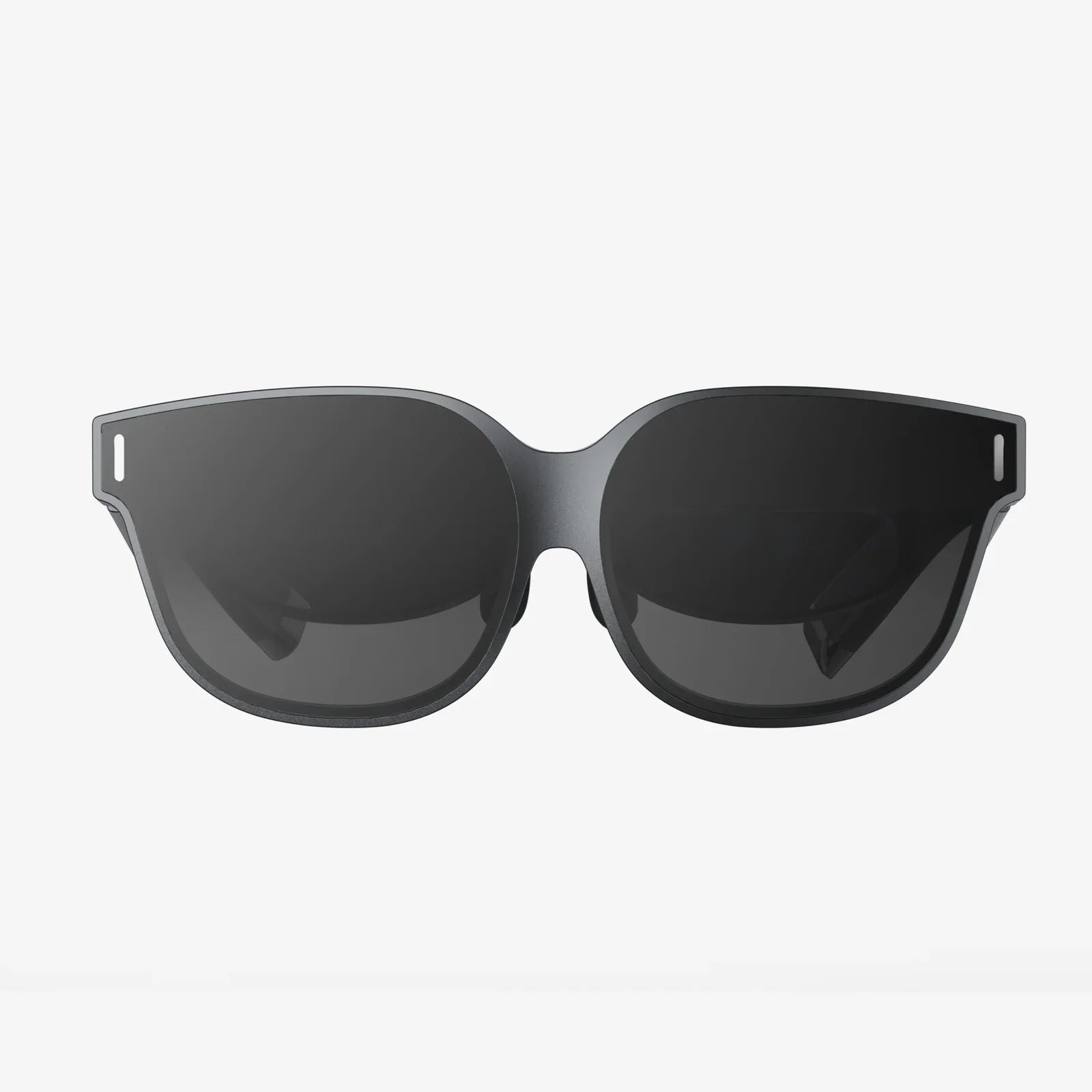
Imagine stepping out of a dimly lit cafe into the brilliant afternoon sun, not to be greeted by a painful squint and a frustrating white-out of your smartphone screen, but by perfect, instant clarity. Envision driving into a blinding sunset where the glare from the wet pavement doesn't create a dangerous, shimmering veil over the road ahead. This is no longer a futuristic fantasy; it is the immediate promise of a new category of wearable technology: AI glasses with active glare removal. This technological leap is not merely an incremental improvement in lens coatings; it is a fundamental reimagining of how we interact with light, using artificial intelligence as our guide to see the world as it was meant to be seen—clear, comfortable, and utterly without obstruction.
The Pervasive Problem of Glare: More Than Just an Annoyance
To understand the revolutionary nature of this technology, one must first appreciate the true enemy: glare itself. Glare is the visual noise that disrupts the signal of the light we actually want to see. It is caused when light reflects off a smooth, shiny surface—water, glass, a car’s bonnet, a smartphone screen—and travels directly into our eyes. This overwhelming burst of luminance reduces contrast, washes out color, and forces our pupils to constrict violently and our eyes to work overtime, leading to significant strain, headaches, and fatigue.
The consequences extend far beyond simple discomfort. On the roads, glare is a documented safety hazard, contributing to thousands of accidents annually. In the workplace, hours spent squinting at a monitor battling reflections from overhead lighting translates to plummeting productivity and employee discomfort. For the millions who suffer from photophobia (light sensitivity) due to conditions like migraines, post-concussion syndrome, or certain eye diseases, glare can be utterly debilitating, shutting down their ability to function in ordinary environments. Traditional solutions, like polarized sunglasses or anti-reflective coatings, are passive and limited. They can filter out specific angles of light or reduce surface reflections, but they are static. They cannot adapt to a dynamically changing environment where light angles and intensities shift by the second.
The Architecture of Sight: How AI Glasses See and Think
This is where the paradigm shift occurs. AI glare removal glasses are active, adaptive systems. They don't just filter light; they process and manipulate it in real-time. The core architecture of these devices can be broken down into a seamless pipeline of perception, computation, and action.
1. Perception: The Eyes of the System
Embedded within the frames of the glasses are tiny, strategically placed sensors. These are not standard cameras that capture images for you to look at later. They are high-speed, low-resolution optical sensors whose sole purpose is to continuously scan the environment in front of the wearer. They are mapping the entire field of view, measuring light intensity, identifying hotspots of extreme brightness, and pinpointing the precise angle and source of glare-causing reflections thousands of times per second. This real-time environmental data is the crucial first ingredient.
2. Computation: The Brain in the Frame
The raw data from the sensors is instantly piped to a miniaturized onboard processing unit. This is where the artificial intelligence, specifically machine learning algorithms, earns its keep. Trained on immense datasets of countless glare scenarios—from the shimmer off a lake to the direct reflection of car headlights—the AI model has learned to recognize the unique "signature" of problematic glare. It can distinguish between the blinding reflection from a car window and the desirable, high-intensity light of a traffic signal.
In milliseconds, the AI makes a critical decision: what constitutes unwanted glare that needs to be removed, and what is important visual information that must be preserved. This inferencing happens locally on the device, ensuring zero latency and complete privacy, as no visual data needs to be sent to the cloud.
3. Action: The Invisible Shield
Once the glare is identified and targeted, the system activates its countermeasure. This is typically achieved through a specialized lens technology, often a form of liquid crystal display or a similar light-modulating material. The AI sends instructions to these lenses, which can alter their opacity or polarization at a hyper-localized, pixel-by-pixel level.
Imagine a microscopic grid over each lens. The AI can darken or neutralize only the specific "pixels" where damaging glare is detected, while leaving the surrounding areas—and all the important visual information within them—completely clear and unaffected. It’s like having a dynamic, intelligent spotlight that selectively dims the world’s brightness only where it hurts, creating a perfectly balanced and comfortable visual field. The result is not a uniformly darker view, as with sunglasses, but a perfectly optimized one, with contrast enhanced and dangerous glare eliminated on the fly.
Beyond the Hype: Tangible Applications Changing Lives
The potential applications for this technology stretch across nearly every facet of modern life, transforming daily annoyances into solved problems.
Enhanced Mobility and Safety
For drivers, cyclists, and pilots, this is a game-changer for safety. AI glasses can eliminate the "dazzle effect" from oncoming headlights at night, reduce the blinding glare from a sun-drenched road or wet surface, and improve overall visual clarity in challenging conditions. This provides precious extra seconds of reaction time, potentially preventing accidents. The ability to see instrument panels and navigation screens clearly without reflection, regardless of sun angle, is another critical benefit.
The Augmented Workplace
Office workers, architects, engineers, and anyone who spends their day battling screen glare will find immense value. The glasses can neutralize reflections from overhead lights and windows directly on their monitors, eliminating the need to constantly adjust their posture or blinds. This reduces eye strain dramatically, boosting comfort and productivity over a long workday. For professionals working with digital designs or detailed schematics, the removal of visual noise means unparalleled focus on the task at hand.
Accessibility and Medical Relief
This technology represents a profound leap forward in assistive tech. For individuals with photophobia, these glasses can act as a dynamic buffer, allowing them to navigate the world without pain. They can automatically soften the harsh fluorescents of a grocery store, dim the bright sky during a walk, and make screen use possible again. This can significantly improve quality of life and independence for those whose conditions are triggered or exacerbated by light.
Everyday Consumer Empowerment
On a simpler level, imagine reading your book on a sunny beach without the frustrating mirror-like reflection on the page or tablet. Picture enjoying a meal at a sidewalk cafe without having to shift your chair to escape the sun's glare. Think about finally being able to see your phone screen perfectly clearly while waiting for the bus on a bright day. These glasses promise to remove these minor but cumulative irritants from daily life.
Navigating the Future: Challenges and Considerations
As with any nascent technology, the path forward is not without its hurdles. The current generation of devices faces challenges related to form factor, battery life, and cost. Packing the necessary sensors, processing power, and light-modulating technology into a stylish, lightweight, and affordable frame is a significant engineering feat that is still evolving. Battery technology must advance to support all-day processing without becoming a burden.
Furthermore, the "intelligence" of the AI is paramount. The algorithms must be impeccably trained to never mistake critical information—like a red brake light or a flashing emergency signal—for glare. Robustness and reliability are non-negotiable for user trust and safety. There are also broader philosophical questions about our relationship with technology and reality. As we increasingly rely on algorithms to mediate and "clean up" our view of the world, we must be mindful of preserving the raw, unfiltered human experience.
A New Visual Horizon
The development of AI-powered glare removal is more than a neat gadget; it is a fundamental enhancement of human vision. It represents a move from passive protection to active optimization, using intelligence to create a seamless interface between our eyes and our environment. This technology promises to make us safer on the roads, more productive at work, and more comfortable in our daily lives, all while opening new doors for accessibility.
We are standing at the precipice of a new era in visual technology, one where the boundary between what is natural and what is digitally assisted begins to blur into irrelevance. The ultimate success of AI glare removal glasses won't be measured by their technical specifications, but by their ability to become invisible themselves—to function so flawlessly that we forget the frustrating glare they eliminate, and we simply see a better, clearer world.
The sun will always rise, headlights will always shine, and screens will always reflect. But soon, the act of squinting against them may become a forgotten relic of the past, a curious memory of how we used to see before AI gave us the clarity we never knew we were missing. The future is bright, and finally, we’ll be able to look directly at it.
Share:
Best Smartglasses: The Ultimate Guide to Wearable Tech for Your Eyes
AI Glasses What Are They: The Future on Your Face