


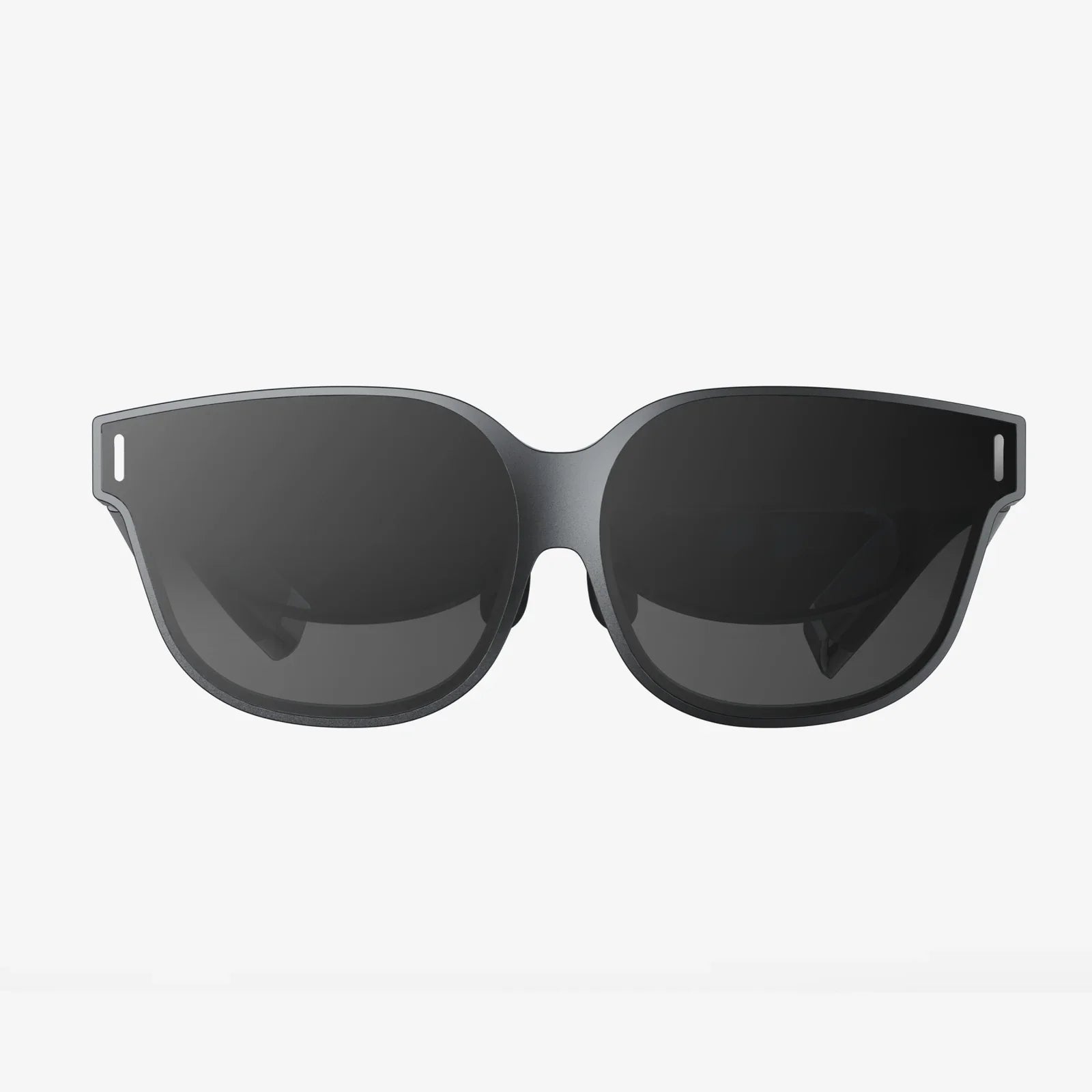
Imagine a world where the digital and physical realms are no longer separate, but seamlessly intertwined. A world where information appears before your eyes the moment you need it, where language barriers dissolve in real-time, and your surroundings become an interactive canvas. This is not a distant science fiction fantasy; it is the imminent future being built today, and it’s arriving on the bridge of your nose. The race to define the next major computing platform is heating up, and the most compelling contenders are a new generation of sophisticated eyewear. For the curious consumer and the tech-enthusiast alike, navigating the expanding landscape of AI glasses options is the first step into this augmented reality.
The Core Technologies Powering Smart Eyewear
Before delving into the types of devices available, it's crucial to understand the technological pillars that make these advanced AI glasses options possible. These are not merely screens attached to frames; they are complex systems integrating hardware and software.
Advanced Display Systems: How You See the Digital World
The most critical component is the display technology, which projects digital imagery onto the user's field of view. There are several primary methods, each with its own advantages.
- Waveguide Optics: This is the technology favored by many high-end models. It uses microscopic gratings to bend light from a projector on the temple into the eye. It allows for sleek, relatively normal-looking designs but can be expensive to manufacture.
- Birdbath Optics: A compact system that uses a combination of a beamsplitter and a curved mirror to reflect light from a micro-display into the eye. It often offers a wider field of view but can result in a slightly bulkier form factor.
- Laser Beam Scanning (LBS): This method uses tiny lasers to scan images directly onto the retina. It can be incredibly power-efficient and offer high contrast but has historically faced challenges with brightness in outdoor environments.
Sensing the World: Cameras, Microphones, and LiDAR
For the AI to understand and interact with the environment, it needs a suite of sensors. High-resolution cameras capture visual data, enabling features like object recognition and text translation. An array of microphones allows for voice commands and audio processing, often with advanced noise cancellation to isolate the user's voice in a crowd. Some premium AI glasses options are now incorporating LiDAR (Light Detection and Ranging) scanners, which create precise depth maps of the surroundings. This is crucial for accurate placement of digital objects in the user's space, making interactions feel more solid and real.
The Brain: On-Device AI vs. Cloud Connectivity
The "intelligence" in AI glasses can be processed in two ways, or a hybrid of both. On-device AI uses a dedicated processing chip within the glasses themselves to handle tasks. This is essential for low-latency functions like real-time translation, where waiting for a cloud server would be disruptive. It also enhances privacy, as sensitive data like video feeds don't need to be transmitted. Cloud-based AI leverages powerful remote servers for more complex computations, such as searching vast databases or running intricate machine learning models. The best AI glasses options intelligently balance these two, using on-device processing for immediate needs and the cloud for heavy lifting.
A Spectrum of Smart Eyewear: From Audio-First to Full AR
Not all smart glasses are created equal. The market is already stratifying into distinct categories based on their primary function and technological capability. Understanding these categories is key to identifying which option aligns with your needs.
Category 1: Audio-Focused Smart Glasses
This category represents the most accessible and widely adopted form of smart eyewear. Their primary function is to serve as high-quality, open-ear headphones discreetly built into the temples of otherwise standard-looking glasses. They connect via Bluetooth to your smartphone for music, podcasts, and calls. The "AI" component here is often minimal but growing, typically manifesting in voice assistant integration for hands-free control. For many, this is the ideal entry point, offering a tangible benefit without the complexity or high cost of full visual augmentation. They prioritize style, comfort, and audio fidelity above all else.
Category 2: The Notification and Information Layer
This next tier introduces a subtle visual element, usually in the form of a small LED or micro-display in the corner of the lens or on the frame itself. The purpose is not immersive AR but glanceable information. Think of it as a smartwatch for your face. These devices can display notifications for calls, messages, and app alerts, show navigation cues like arrows for your next turn, or provide real-time metrics during a workout. They act as a secondary screen for your phone, reducing the need to constantly pull it out of your pocket. The AI here is more pronounced, curating which notifications are important enough to surface directly in your line of sight.
Category 3: The True Augmented Reality Experience
This is the frontier. These are full-fledged augmented reality glasses designed to overlay rich, interactive digital content onto the real world. This is where you see the full potential of the technology: 3D models floating on your desk during a design review, a virtual screen for your laptop while working in a coffee shop, or interactive arrows painted onto the path ahead during a city tour. These represent the most advanced and expensive AI glasses options currently available, often targeted at enterprise and developer markets. They require the most sophisticated display technology, powerful processors, and a robust suite of sensors to map the environment in real-time.
Transforming Industries: The Professional Applications
While consumer applications are exciting, some of the most immediate and impactful uses for AI eyewear are happening in professional settings. These devices are revolutionizing workflows by providing hands-free access to information and enabling remote collaboration in unprecedented ways.
- Manufacturing and Field Service: Technicians can see schematics and instructions overlaid on the machinery they are repairing. A remote expert can see through their eyes and annotate their field of view to guide them through a complex procedure, reducing errors and downtime.
- Healthcare: Surgeons can view patient vitals and imaging data without looking away from the operating field. Medical students can observe procedures from the surgeon's point of view, and nurses can have hands-free access to patient records during rounds.
- Design and Architecture: Architects and engineers can place 3D models of their designs onto a physical site, allowing them to assess scale, fit, and aesthetic impact in real-time. This enables rapid iteration and more informed decision-making.
- Logistics and Warehousing: Workers fulfilling orders can have the most efficient pick path displayed before their eyes, with digital arrows guiding them and item locations highlighted, dramatically increasing picking speed and accuracy.
Navigating the Challenges: Privacy, Social Acceptance, and Safety
The path to ubiquitous adoption of AI glasses is not without significant hurdles. The very features that make them powerful also raise complex questions that society must address.
The Privacy Paradox
Devices with always-on cameras and microphones understandably trigger privacy concerns. The potential for surreptitious recording is a valid fear. Manufacturers are addressing this with clear hardware indicators—like bright LED lights that activate when recording—and software safeguards that require explicit user commands to capture media. Data security is paramount; ensuring that the vast amounts of visual and audio data collected are encrypted and processed responsibly is a non-negotiable requirement for the industry. The development of on-device processing is a major step forward, as it allows the AI to understand the world without needing to constantly stream private moments to the cloud.
The Social Hurdle
Walking into a conversation or a private business while wearing a computer on your face can be socially awkward. There's a concern that the wearer is not fully present or could be recording without consent. Early adopters of previous wearable tech, like Bluetooth headsets, faced similar stigma. Overcoming this will require a combination of transparent design (making it clear when the device is active), established social etiquette, and the demonstrable value of the technology becoming so great that the awkwardness fades, much as it did with the once-conspicuous act of using a smartphone in public.
Safety and Distraction
Any device that projects information into your field of vision must be designed with safety as the top priority. For navigation, the information must be presented intuitively without obscuring critical real-world obstacles. Notifications must be non-obtrusive and not demand so much cognitive load that they become a distraction, especially while driving or operating machinery. The industry is developing context-aware AI that understands when to withhold notifications based on the user's activity.
Gazing into the Future: What's Next for AI Eyewear?
The current generation of devices is just the beginning. The trajectory points toward glasses that are indistinguishable from traditional fashion eyewear in weight and style, yet packed with even more incredible capabilities. We can anticipate advancements in battery technology that enable all-day use, perhaps even leveraging solar power or kinetic energy. Display technology will continue to improve, offering higher resolution, wider fields of view, and dynamic focus, allowing digital objects to appear at different depths. The AI itself will evolve from a reactive tool to a proactive assistant, anticipating your needs based on context, conversation, and your surroundings. The ultimate goal is a device that feels like a natural extension of your own cognition, enhancing your perception of the world without ever getting in the way.
The true power of this technology lies not in replacing reality, but in enriching it. The right pair of smart glasses won't pull you into a digital void; it will weave a layer of useful magic onto the world you already live in, making you more knowledgeable, connected, and capable. The future is looking brighter, smarter, and more transparent than ever before, and it’s all coming clearly into focus.
Share:
Types of Augmented Reality Technology: A Deep Dive into the Digital Overlay Reshaping Our World
Can You Wear Glasses While Using VR? A Complete Guide to Comfort and Clarity