


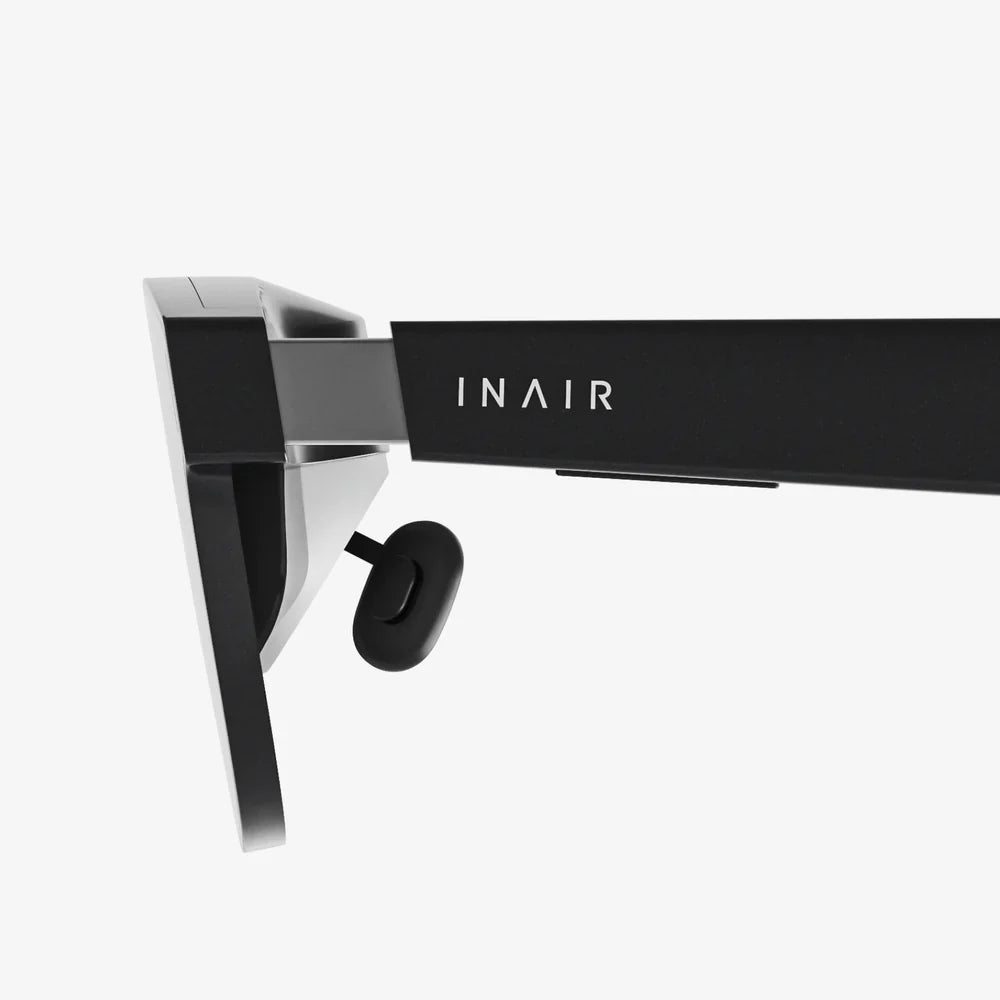
Imagine a world where your eyewear does more than just correct your vision or shield your eyes from the sun—a world where a simple pair of glasses becomes your intelligent assistant, seamlessly integrating digital information with your physical reality. This is the promise of AI glasses, a technological leap that is rapidly moving from science fiction to mainstream reality. The decision to make an AI glasses purchase is no longer a far-fetched fantasy but an imminent consumer choice, one that requires careful navigation through a landscape of innovation, functionality, and profound implications for how we interact with the world. This guide is your essential companion, designed to demystify the technology, illuminate the critical factors for consideration, and empower you to make an informed investment in a wearable future that is already upon us.
Understanding the Core Technology
Before embarking on an AI glasses purchase, it is crucial to understand what sets this category apart from standard smart glasses or wearable tech. At its heart, artificial intelligence is the differentiator. While smart glasses might display notifications or take photos, AI glasses process information in real-time, learn from user behavior, and provide contextual, proactive assistance.
The fundamental architecture typically involves several integrated components:
- Advanced Optical Systems: These can range from micro-LED projectors that beam information onto standard lenses to more complex waveguide or holographic optics that create immersive augmented reality (AR) overlays. The quality of this system dictates the clarity and usability of the digital content you see.
- Sensor Suite: A sophisticated array of sensors is the eyes and ears of the device. This includes high-resolution cameras for computer vision, depth sensors for mapping the environment, inertial measurement units (IMUs) for tracking head movement, and microphones for capturing audio.
- Onboard Processing & Connectivity: Powerful, miniaturized processors are required to handle the immense computational load of AI algorithms. These chips perform tasks like object recognition, natural language processing, and spatial mapping. They are complemented by robust connectivity options like 5G and Wi-Fi for offloading more complex computations to the cloud.
- AI Software Platform: This is the brain of the operation. The software includes machine learning models trained on vast datasets to recognize objects, translate languages in real-time, identify points of interest, and understand spoken commands. This platform continuously evolves, often improving its capabilities through software updates long after the initial AI glasses purchase.
This convergence of hardware and intelligent software creates a device that doesn't just execute commands but anticipates needs and enhances perception.
Key Features to Evaluate Before You Buy
Navigating the market requires a clear understanding of which features align with your needs. Not all devices are created equal, and an informed AI glasses purchase hinges on prioritizing the right specifications.
Display Technology and Visual Experience
The method of displaying information is paramount. Some models offer a simple, monochrome heads-up display (HUD) for notifications and basic data, which is less obtrusive and conserves battery life. Others provide full-color, high-resolution AR experiences that digitally augment your entire field of view. Consider your primary use case: do you need subtle alerts or immersive digital objects anchored in the real world? Also, assess factors like brightness (for outdoor visibility), field of view (how much of your vision is covered by the digital overlay), and overall visual comfort during extended use.
Audio Input and Output
Interaction is largely voice-driven. The quality of the microphone array is critical for accurately picking up your commands in noisy environments through beamforming and noise cancellation. For audio output, many models use bone conduction or miniature directional speakers that deliver sound directly to your ears without blocking ambient noise, which is vital for situational awareness. Others may include traditional speaker grilles or support for wireless earphones.
Battery Life and Performance
This is often the most significant constraint. Intensive tasks like continuous video recording or complex AR rendering are power-hungry. Battery life can vary from a few hours to a full day, depending on usage. Evaluate where the battery is housed—in the frames themselves or in a separate pack—and how it impacts comfort. Furthermore, processing power must be balanced against thermal management; the device should not overheat during use.
Design, Comfort, and Form Factor
For a device meant to be worn all day, aesthetics and comfort are non-negotiable. The market is shifting from bulky, tech-centric designs to sleek, fashionable frames that resemble conventional eyewear. Consider weight, fit, adjustability, and whether the design suits your personal style. The goal is for the technology to fade into the background, becoming an unobtrusive part of your daily life.
Software Ecosystem and App Support
The hardware is useless without a robust software ecosystem. Investigate the platform's supported applications. Are there apps for navigation, translation, fitness, and productivity? Does the manufacturer provide a software development kit (SDK) to encourage third-party developers to build new experiences? A vibrant app ecosystem ensures your device grows more useful over time.
Defining Your Use Case: Why Are You Buying?
The single most important question to answer before an AI glasses purchase is: "What problem do I want this to solve?" Your primary use case will dictate which features are essential and which are superfluous.
- The Productivity Power User: If you seek a mobile office, prioritize seamless integration with your calendar, email, and messaging apps; robust voice-to-text capabilities; and support for virtual monitors to expand your workspace anywhere.
- The Multilingual Traveler and Explorer: Real-time translation of spoken conversations and written text (like street signs or menus) is a killer app. Look for devices with best-in-class translation software and strong offline capabilities.
- The Fitness and Adventure Enthusiast: For this user, features like real-time workout metrics, navigation overlays on hiking trails, and first-person point-of-view recording are key. Durability, battery life, and secure fit are critical considerations.
- The Accessibility Advocate: AI glasses have profound potential to assist individuals with visual or hearing impairments. Features like detailed audio descriptions of surroundings, recognition of faces and objects, and amplification of specific sounds can be transformative.
- The Early Adopter and Tech Enthusiast: If you're buying to experience the cutting edge, you might prioritize raw technical specs like processing power, camera resolution, and the most immersive AR experiences available.
Privacy and Ethical Considerations
An AI glasses purchase is not just a consumer transaction; it is a decision that places you at the center of complex ethical debates. These devices, by their very nature, are equipped with always-on sensors that can record audio and video from your perspective.
This raises critical questions:
- Consent and Notification: How do you inform people around you that they might be recorded? Some prototypes have included LED indicators to signal when recording is active, but social norms are still evolving.
- Data Security: The amount of personal and environmental data collected is staggering. It is imperative to research the manufacturer's data policies. Where is the data processed (on-device is more private than the cloud)? How is it stored and encrypted? Is it used for training AI models, and if so, can you opt out?
- Social Acceptance: Wearing a device that can record may make others uncomfortable. Being mindful of context—avoiding use in private spaces like locker rooms or meetings where confidentiality is expected—is crucial for responsible use.
Making an ethical AI glasses purchase involves choosing a company that is transparent about its data practices and provides clear user controls over privacy settings.
The Financial Investment: Cost vs. Value
Currently, advanced AI glasses represent a significant financial investment, often costing as much as a high-end smartphone or more. It is essential to view this not just as a purchase but as an investment in a new platform. Weigh the cost against the tangible value it will bring to your daily life. Will it save you time? Enhance your capabilities? Solve a specific, frequent problem? Also, consider the potential for future software updates to add value, extending the lifespan of the hardware. As with any emerging technology, prices are expected to decrease as the technology matures and adoption increases, but early adopters inevitably pay a premium for being first.
Looking Ahead: The Future of AI Eyewear
The devices available today are merely the first step on a long roadmap. The future of AI glasses points toward even greater miniaturization, with all components eventually fitting into frames indistinguishable from regular glasses. Battery technology will improve, and breakthroughs in photonics will lead to richer, wider visual displays. The AI itself will become more contextual and predictive, moving from a reactive assistant to a proactive partner. Furthermore, the evolution towards a more natural user interface—combining voice, gesture, and eventually even neural inputs—will make the interaction feel effortless and magical. The AI glasses purchase you make today is a gateway into this ongoing revolution.
Your face is the next frontier for computing, and the perfect pair of AI glasses will not feel like a piece of technology at all, but a natural extension of your own senses and cognition. The power to choose a device that aligns with your values, meets your needs, and responsibly ushers in this new era is now in your hands—ready to see the world in a whole new way?
Share:
Augmented Reality Meeting Room: The Future of Collaboration is Here
How Much Are The New AI Glasses? A Deep Dive into Pricing, Tech, and Value