


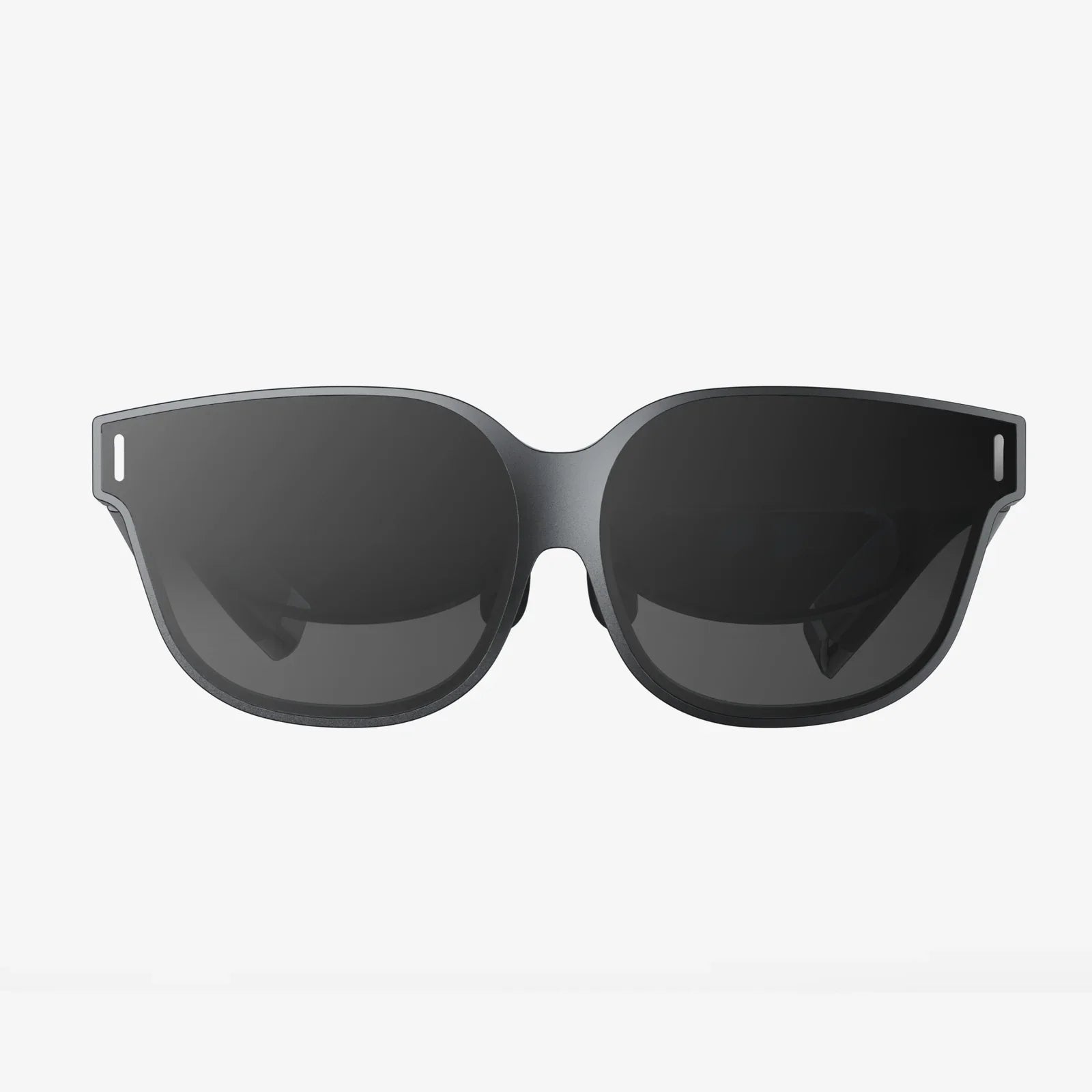
Imagine walking through the cobblestone streets of Gamla Stan, but the history of each building unfolds before your eyes. Or navigating the vast archipelago with real-time translations and environmental data seamlessly overlaid onto your vision. This is not a distant science fiction fantasy; it is the emerging reality being crafted in labs and startups across Sweden, where a quiet revolution in AI glasses is underway, poised to change how we see the world, literally and figuratively.
The Swedish Design Philosophy: Where Form Meets Function
Sweden’s approach to technology is globally renowned, characterized by a unique blend of minimalist aesthetics, functionalism, and human-centric design. This philosophy, deeply embedded in the national psyche from architecture to furniture, is now being applied to one of the most personal and visible tech categories: wearable AI. The development of AI glasses in Sweden is not merely about packing the most powerful processors into a frame; it is about creating an experience that feels intuitive, unobtrusive, and, crucially, desirable.
Unlike bulkier prototypes seen elsewhere, the Swedish iteration emphasizes elegance and social acceptance. The goal is to create a device that people would want to wear even without its smart capabilities—a piece of stylish eyewear first and a sophisticated computer second. This focus on discreet integration is a direct response to the social stigma often associated with earlier forms of head-mounted displays. By leveraging Scandinavia's leadership in fashion and design, developers are ensuring that their AI glasses complement personal style rather than detract from it, making the technology an accessory rather than an appliance.
Beyond the Hype: Core Technological Innovations
Beneath the sleek surface of Swedish AI glasses lies a formidable array of technological innovation. The core of these devices is a sophisticated fusion of hardware and software, designed to augment reality without overwhelming the user.
Advanced Sensor Fusion and Environmental Awareness
Swedish engineers are leveraging expertise from the nation's strong automotive and telecommunications sectors to develop sophisticated sensor packages. These typically include high-resolution cameras, depth sensors, microphones, and inertial measurement units (IMUs). The magic happens in the fusion of this data. Onboard algorithms, many leveraging machine learning models trained on vast datasets, can understand depth, track objects, and map environments in real-time. This allows the glasses to contextualize information, placing digital artifacts firmly within the user’s physical world.
On-Device AI and Privacy-Conscious Processing
A key differentiator in the Swedish approach is a strong emphasis on user privacy, a principle enshrined in the country's cultural and legal framework. Rather than relying solely on cloud processing, which streams personal visual and auditory data to remote servers, significant AI computation is handled locally on the device itself. Tiny, ultra-efficient neural processing units (NPUs) embedded within the glasses can perform tasks like object recognition, speech-to-text translation, and scene analysis without ever sending raw data away. This not only reduces latency, creating a more seamless user experience, but also builds a fundamental layer of trust and security, aligning with the Swedish value of personlig integritet (personal integrity).
Novel Display Technologies
How information is projected into the user's field of view is a critical challenge. Swedish research institutes and companies are experimenting with several cutting-edge solutions. These include laser-based retinal projection systems that paint images directly onto the retina, and waveguide displays that use microscopic gratings to bend light from a projector into the eye. The aim is to create bright, high-contrast overlays that are visible in all lighting conditions, from the midnight sun of a Swedish summer to the deep darkness of winter, while maintaining a completely transparent lens when not in use.
A Catalyst for Accessibility and Inclusion
Perhaps the most profound immediate application of AI glasses is in the field of accessibility. Sweden's long-standing commitment to a welfare society and inclusion is driving development in this area, transforming assistive technology into empowering technology.
For the visually impaired, AI glasses can act as a powerful visual interpreter. Through real-time object recognition and auditory feedback, they can describe surroundings, identify currency, read signs and documents, and even recognize familiar faces, providing a greater degree of independence. For those who are hard of hearing, real-time speech-to-text transcription can be displayed within the glasses, turning conversations into captioned interactions and breaking down communication barriers in workplaces, schools, and public spaces. This aligns perfectly with the Swedish concept of tilgänglighet (accessibility), ensuring society is open to all.
Transforming the Swedish Workplace
Sweden's innovative work culture, known for its flat hierarchies and focus on efficiency, is a fertile testing ground for enterprise applications of AI glasses. In sectors that form the backbone of the Swedish economy, these devices are proving to be powerful tools.
- Manufacturing and Logistics: On factory floors, technicians can receive schematic overlays and step-by-step instructions while keeping their hands free to work. Warehouse operators can see optimal picking routes and inventory information, drastically reducing errors and speeding up fulfillment.
- Healthcare: Surgeons could receive vital patient statistics and imaging data in their line of sight during procedures. Medical students can observe complex operations with anatomical labels and expert commentary overlaid, enhancing remote learning.
- Field Service and Maintenance: Engineers repairing complex machinery, from wind turbines to telecom infrastructure, can be guided remotely by experts who can literally "see what they see" and annotate their field of view with arrows, notes, and diagrams.
This augmentation of human capability doesn't seek to replace workers but to elevate their skills, reduce cognitive load, and create safer, more efficient work environments.
Navigating the Social and Ethical Landscape
The development of such a pervasive technology does not come without significant questions. The Swedish ethos encourages open dialogue about the societal implications of innovation. The always-on, always-sensing nature of AI glasses raises critical concerns about surveillance, data ownership, and social etiquette.
Swedish developers and policymakers are proactively engaging with these issues. The principle of design privacy—building privacy protections into the technology itself—is paramount. This includes physical hardware features like indicator lights that signal when recording is active, and software features that allow for granular control over data collection. There is an ongoing national conversation about establishing new social norms and potentially new laws to govern the use of such devices in public and private spaces, ensuring that the technology develops in a way that respects individual rights and collective well-being.
The Future, Through a Scandinavian Lens
The journey for AI glasses is just beginning. The next steps involve moving beyond informational overlays towards more contextual and predictive assistance. Imagine glasses that not only translate a menu but also recommend a dish based on your dietary preferences and past choices. Or devices that can gauge your stress levels through biometric sensors and subtly suggest a moment of calm during a hectic day.
Sweden, with its unique combination of technical prowess, design excellence, and strong ethical foundations, is uniquely positioned to lead this charge. The development happening there is not about creating a flashy gadget; it is about thoughtfully integrating technology into the human experience to enhance our capabilities, deepen our connections, and navigate our world with greater understanding and ease. The future they are building is one where technology doesn't demand our attention but quietly empowers it, allowing us to be more present in our reality, even as we augment it.
The next time you see someone with a sleek pair of glasses in a Stockholm café or a Gothenburg workshop, look closer. They might not just be reading the news; they could be interacting with a invisible digital layer, a silent partner enhancing their perception of reality. This is the promise emanating from the Nordic north—a vision of the future that is not on your phone, but directly in your line of sight, designed to be so seamless you might just forget it's there until you need it most.
Share:
Best New AI Glasses: The Ultimate Guide to Smart Eyewear Revolutionizing Your World
Work Smarter 2025: The Future-Proof Blueprint for Peak Productivity