


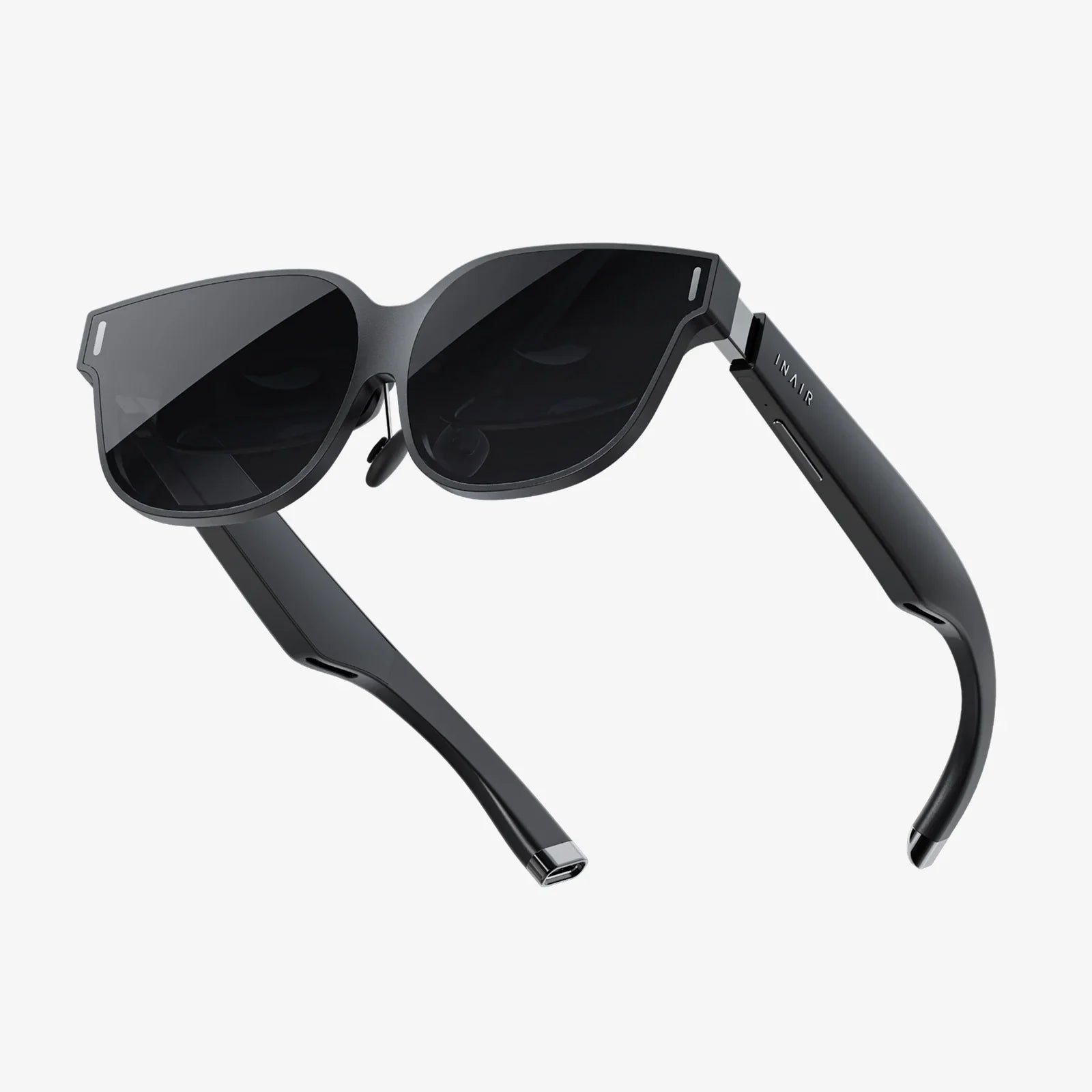
Imagine walking through a world where every sign, every document, every book, and every screen speaks to you, transforming the silent landscape of text into a rich, audible narrative. This is not a scene from a science fiction novel; it is the reality being crafted today by a revolutionary piece of wearable technology: AI glasses that read for you. This innovation represents a seismic shift in human-computer interaction, promising to dismantle barriers to information and redefine the very nature of literacy and accessibility for millions around the globe.
The Genesis of Audible Assistance: From Concept to Reality
The dream of machines that can see and interpret text is decades old. Early optical character recognition (OCR) systems were bulky, expensive, and required controlled environments to function with any degree of accuracy. They were tools for digitizing archives, not for assisting individuals in real-time. The convergence of several technological leaps has finally made the current generation of devices possible. The miniaturization of high-resolution cameras, the development of powerful, low-energy microprocessors capable of on-device artificial intelligence processing, and breakthroughs in natural language processing and text-to-speech synthesis have all coalesced to create a device that feels less like a tool and more like a natural extension of human capability.
At its core, the technology functions through a sophisticated, integrated pipeline. A discreet micro-camera, often mounted on the frame, continuously captures the visual field. Sophisticated AI algorithms then perform a series of complex tasks in milliseconds: identifying text within the image, correcting for perspective and curvature (like reading text on a round can), and converting the image of the text into machine-encoded characters. This is where advanced OCR meets modern AI, going beyond simple font recognition to understand context and layout. Next, natural language processing engines parse the text, breaking it down for audible delivery. Finally, a highly natural text-to-speech engine articulates the words directly into the user's ear through a bone conduction speaker or a discreet earpiece, leaving the ears open to ambient sounds for safety and awareness. This entire process, from sight to sound, happens almost instantaneously, creating a seamless flow of information.
A New Dawn for Accessibility: Empowering the Visually Impaired
The most profound and immediate impact of this technology is in the realm of accessibility. For the estimated 285 million people globally with visual impairments, from total blindness to low vision, the written word has traditionally been a significant barrier. Braille is vital but not universally available, and audiobooks cover only a fraction of published material. These glasses act as an always-available, personal reader, granting unprecedented independence.
- Navigating the Physical World: Users can independently read street signs, bus numbers, menu boards at restaurants, and directions on packaging. This simple act restores a layer of autonomy that sighted individuals take for granted, enabling confident navigation through public and private spaces.
- Accessing Personal Documents: Reading mail, bank statements, medication labels, and instruction manuals becomes a private, immediate affair. No longer must one rely on another person to read potentially sensitive information, ensuring privacy and dignity.
- Engaging with Digital Content: The technology can interface with smartphones and computers, reading aloud text from websites, emails, and social media feeds. This bridges the gap between digital accessibility features and the analog world, creating a unified experience.
This is not merely a convenience; it is a tool for social and economic inclusion, opening doors to education, employment, and social participation that were previously harder to access.
Beyond Disability: The Universal Benefits of Audible Reading
While the assistive benefits are clear, the potential applications extend far beyond the visually impaired community. These devices are poised to become powerful tools for everyone, effectively augmenting human cognition and perception.
Consider the modern professional, inundated with information. These glasses can become a productivity powerhouse, allowing someone to "read" reports, research papers, or news articles while commuting, exercising, or performing manual tasks. They enable a form of immersive multitasking that doesn't sacrifice comprehension. For language learners, they offer a revolutionary way to practice. Imagine pointing your glasses at a newspaper in a foreign language and hearing the pronunciation and translation in real-time, creating a constant, immersive learning environment. Furthermore, for individuals with dyslexia, ADHD, or other neurodiverse conditions that affect reading fluency, the glasses can remove the decoding barrier, allowing them to access content through auditory channels and focus solely on comprehension and enjoyment.
Transforming Industries and Experiences
The ripple effects of widespread adoption will be felt across numerous sectors. In education, students of all abilities could benefit from interactive textbooks that read aloud complex diagrams or equations, leveling the playing field in classrooms. Museums and art galleries could offer deeply personalized tours, where glasses describe exhibits and placards in a visitor's native language and at their preferred pace, without the need for an audio guide or smartphone app. The travel industry would be revolutionized, as tourists could effortlessly navigate foreign countries, reading everything from train schedules to historical monuments instantly, dissolving language barriers and enriching the travel experience.
Navigating the Ethical and Social Landscape
As with any powerful technology, the development of AI reading glasses is not without its complexities and ethical considerations. The most pressing concern is privacy. A device that is always looking at the world raises obvious questions about data collection. What happens to the images and text it processes? Is data stored on the device or on remote servers? Could it be used for surveillance? Manufacturers must prioritize transparent privacy policies, robust on-device processing, and clear user controls over data to build and maintain trust.
There are also social questions to ponder. Will over-reliance on auditory reading impact the development of traditional literacy skills, especially in children? Could constant narration become a cognitive overload, reducing our ability to focus and absorb information quietly? Furthermore, the digital divide is a critical issue; this technology must be made affordable and accessible to those who need it most, not just a luxury for the affluent. Ensuring equitable access will be a significant challenge for developers and policymakers alike.
The Future Vision: Where Do We Go From Here?
The current generation of devices is impressive, but it is merely the first chapter. The future trajectory points toward even greater integration and intelligence. We can anticipate glasses with advanced contextual awareness, able to not just read text but summarize long articles, translate idioms correctly, and even describe the emotional tone of a written message. Haptic feedback could be integrated to provide subtle cues, perhaps indicating where on a page the text is located. Augmented reality displays could project translations directly over the text in the user's field of view. Eventually, the technology may evolve beyond glasses into even more discreet forms, such as smart contact lenses or neural interfaces, making the reading assistant truly invisible.
The development of AI reading glasses is more than a technical achievement; it is a step toward a more empathetic and accessible world. It represents a future where technology does not isolate us behind screens, but rather helps us engage more deeply with the physical world around us. It is a tool that champions human potential, breaking down the arbitrary barriers between those who can easily access information and those who cannot.
The silent conversation between a reader and a page is one of humanity's oldest and most cherished rituals. AI glasses that read for you do not seek to end that ritual; they seek to expand its definition, ensuring that the joy, knowledge, and connection found within the written word are available to all, regardless of their ability to see the ink on the page. The next time you effortlessly read a street sign or a product label, imagine a world where that simple power is granted to everyone, and you begin to understand the quiet revolution sitting on the bridge of your nose.
Share:
Virtual Reality: Beyond the Headset and Into Our Reality
Computer Vision AI Technology: The Eyes of the Machine and the Future They See