


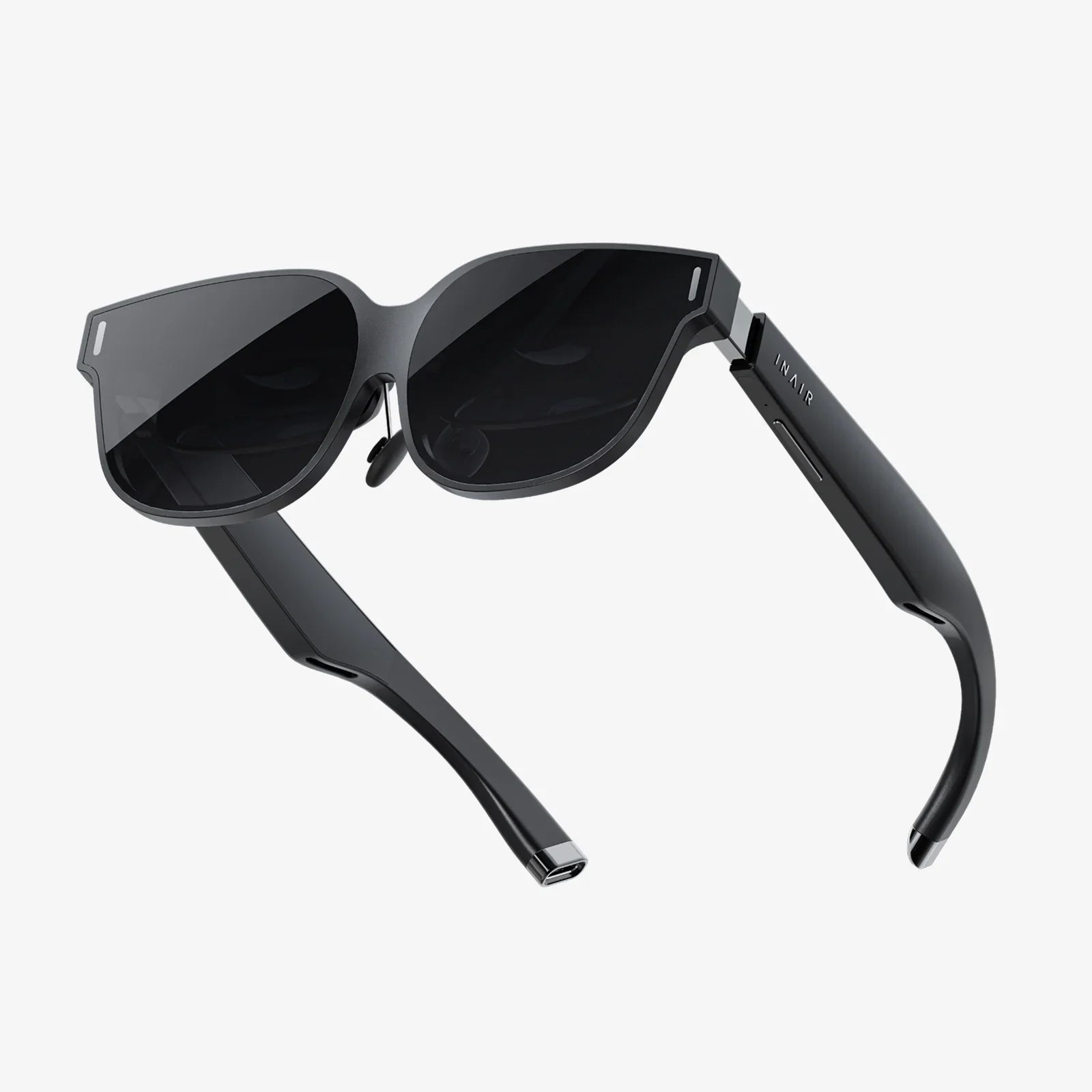
Imagine a world where information flows seamlessly into your field of vision, where language barriers dissolve with a glance, and your surroundings are overlaid with a digital intelligence that understands your needs before you even speak. This is the promise of AI-powered smart glasses, a product category that has long tantalized tech enthusiasts and futurists alike. But as these devices begin to transition from science fiction to store shelves, a pressing question emerges for the average consumer: are AI glasses worth it? The answer is not a simple yes or no, but a fascinating exploration of cutting-edge potential weighed against present-day limitations.
The Evolution of Eyewear: From Vision Correction to Visual Computation
The concept of smart glasses is not new. For over a decade, various iterations have attempted to capture the public's imagination, often with mixed results. Early models were clunky, expensive, and offered limited functionality that failed to justify their intrusion onto the user's face. They were solutions in search of a problem. However, the landscape has shifted dramatically. The convergence of several key technological advancements has finally created an environment where AI glasses can begin to deliver on their ambitious promise.
What separates the current generation from its predecessors is the sophisticated artificial intelligence that powers them. These are no longer just glasses with a tiny screen; they are wearable computers. At their core is a combination of powerful, miniaturized processors, advanced sensor arrays (including cameras, microphones, and inertial measurement units), and sophisticated software. This hardware cocktail enables the glasses to perceive the world around them. But perception is only half the battle. The true magic lies in the onboard or cloud-connected AI that processes this sensory data in real-time.
This AI acts as a contextual genius, interpreting what the user sees and hears to provide relevant, timely information. It's the difference between a pair of glasses that can display a notification and a pair that can read a restaurant menu in a foreign language and translate it directly before your eyes. This leap from passive display to active, intelligent assistant is what defines the modern AI glasses and forms the crux of their value proposition.
Unpacking the "Worth": Key Benefits and Compelling Use Cases
To determine if AI glasses are worth the investment, one must look at the tangible benefits they offer. The value is not in the gadget itself, but in the capabilities it unlocks.
Augmented Reality and Contextual Information
This is the flagship feature. AI glasses can overlay digital information onto the physical world, creating a blended reality experience. Imagine walking through a city and seeing historical facts pop up about the buildings you pass, or getting real-time navigation arrows painted onto the sidewalk in front of you, eliminating the need to constantly look down at your phone. For professionals, this could mean viewing schematics hands-free while repairing equipment or seeing a client's purchase history materialize during a meeting. This constant, contextual stream of data can significantly enhance understanding, efficiency, and engagement with one's environment.
Real-Time Translation and Language Learning
Perhaps one of the most universally appealing applications is the ability to break down language barriers. Advanced AI models can now translate spoken language with astonishing speed and accuracy. With AI glasses, this can happen in real-time. You can have a conversation with someone speaking another language, and see subtitles of what they're saying, or even hear a translated version in your ear. This isn't just for travel; it's a powerful tool for global business, education, and fostering cross-cultural connections. It effectively makes the user a walking polyglot, capable of interacting with a far wider segment of the world.
Enhanced Accessibility and Assistance
The potential for AI glasses to serve as assistive technology is profound. For individuals with visual impairments, the glasses can identify and announce objects, read text aloud from signs, documents, or product labels, and even describe scenes or recognize faces. For those with hearing difficulties, they could provide real-time captioning of conversations, transforming social interactions. This application alone moves the technology from a "nice-to-have" gadget to a life-changing tool that can provide greater independence and access to information.
Hands-Free Operation and Immersive Experience
In a world dominated by smartphones, AI glasses offer a liberating alternative. By moving interactions from a device in your hand to a display in your eyes, they free you to be more present in the moment. You can get directions while riding a bike, control your smart home devices with a voice command, or take photos and videos from a first-person perspective without ever fumbling for your phone. This seamless integration of technology into daily tasks promotes a more immersive and less disruptive digital experience.
The Other Side of the Lens: Current Limitations and Drawbacks
For all their potential, AI glasses are not without significant hurdles. These limitations are crucial to consider when evaluating their worth.
Battery Life: The Tether of Power
Sophisticated AI processing, displays, and sensors are incredibly power-hungry. Despite advancements, battery technology remains a bottleneck. Many current models struggle to last a full day of active use, often requiring a bulky external battery pack that defeats the purpose of a sleek, wearable device. The constant need to recharge can be a major inconvenience and a barrier to all-day reliance.
Design and Social Acceptance: The Cyborg Stigma
How they look and how they make others feel is a critical factor. Early smart glasses were often criticized for their awkward, geeky aesthetics. While designs have improved, finding the right balance between technological capability and a fashionable, comfortable form factor is challenging. Furthermore, the presence of cameras raises legitimate privacy concerns among bystanders, creating a social stigma. Wearing them in a meeting, a bar, or a public bathroom can feel intrusive to others and awkward for the user, a phenomenon often called the "cyborg effect."
Cost and Ecosystem: A Premium Price for Early Adoption
As with any nascent technology, early adoption comes at a premium cost. High-quality AI glasses represent a significant financial investment, often costing several times more than a high-end smartphone. Beyond the initial hardware cost, their usefulness is often tied to a broader ecosystem of apps and services, which may still be in their infancy. The question becomes whether the current functionality justifies such a high entry price for the average user.
Privacy Paradox: Always-On Sensing
This is arguably the most significant ethical and practical challenge. AI glasses, by their very nature, are designed to see and hear what you do. This raises immense questions about data collection, storage, and usage. Who has access to the video and audio recordings? How is this data secured? The potential for misuse, both by companies and malicious actors, is a serious concern that the industry must address with transparent policies and robust security before widespread adoption can occur.
The Verdict: Who Are They For Right Now?
Given this balance of profound benefits and real-world constraints, AI glasses are not yet a mass-market, must-have product for everyone. Their "worth" is highly dependent on the individual user and their specific use cases.
For tech enthusiasts and early adopters, the value is clear. They are investing in the bleeding edge, experiencing the future firsthand, and supporting the development of the technology. The novelty and potential are worth the price and the imperfections.
For certain professionals, they are already a worthwhile tool. Field engineers, surgeons, warehouse logistics managers, and technicians who need hands-free access to information and remote assistance can see a direct return on investment through increased productivity and reduced errors.
For individuals with specific accessibility needs, as mentioned, AI glasses can be truly transformative, offering value that far exceeds their monetary cost.
For the general consumer, however, the calculus is different. While the features are impressive, the combination of high cost, limited battery life, social awkwardness, and privacy concerns means that for most, they remain a fascinating glimpse into the future rather than an essential purchase today. The software ecosystem also needs time to mature, with more developers creating killer apps that leverage the unique capabilities of the platform.
Gazing into the Future: The Road Ahead
The trajectory of AI glasses is unmistakable. The underlying technologies—AI, battery efficiency, display resolution, and processor miniaturization—are all advancing at a rapid pace. We can expect future iterations to become lighter, more powerful, longer-lasting, and more socially acceptable. As the technology becomes more discreet and integrated into frames that look like ordinary eyewear, social resistance will likely diminish.
The true tipping point will arrive when the glasses can do something truly magical that no other device can replicate effortlessly. It might be a hyper-personalized AI assistant that feels like a natural extension of your own cognition, or a seamless AR experience that fundamentally changes how we work, learn, and play. When that happens, the question will shift from "are they worth it?" to "how did we ever live without them?"
We stand at the precipice of a new era of computing, one that moves beyond the rectangle in our pockets and integrates digital intelligence directly into our perception of reality. The journey to perfecting this vision is ongoing, filled with both exhilarating breakthroughs and sobering challenges. For those willing to embrace the future today, warts and all, the experience can be profoundly rewarding. For others, watching, waiting, and allowing the technology to mature is the wiser course. The ultimate value of AI glasses lies not in their current specification sheet, but in the world of possibilities they represent—a world where technology doesn't separate us from reality, but helps us see it more clearly.
The final decision hinges on your appetite for innovation and your tolerance for the bumps along the road to a brighter, more connected future. The next time you see someone wearing a pair, look closely; you might just be catching a glimpse of the next great shift in human-computer interaction, and wondering if you're ready to see the world through a new lens.
Share:
Ultra Wide Screen Video: The Immersive Future of Visual Storytelling
Infinity Virtual Reality Headset: The Ultimate Portal to Limitless Digital Worlds