


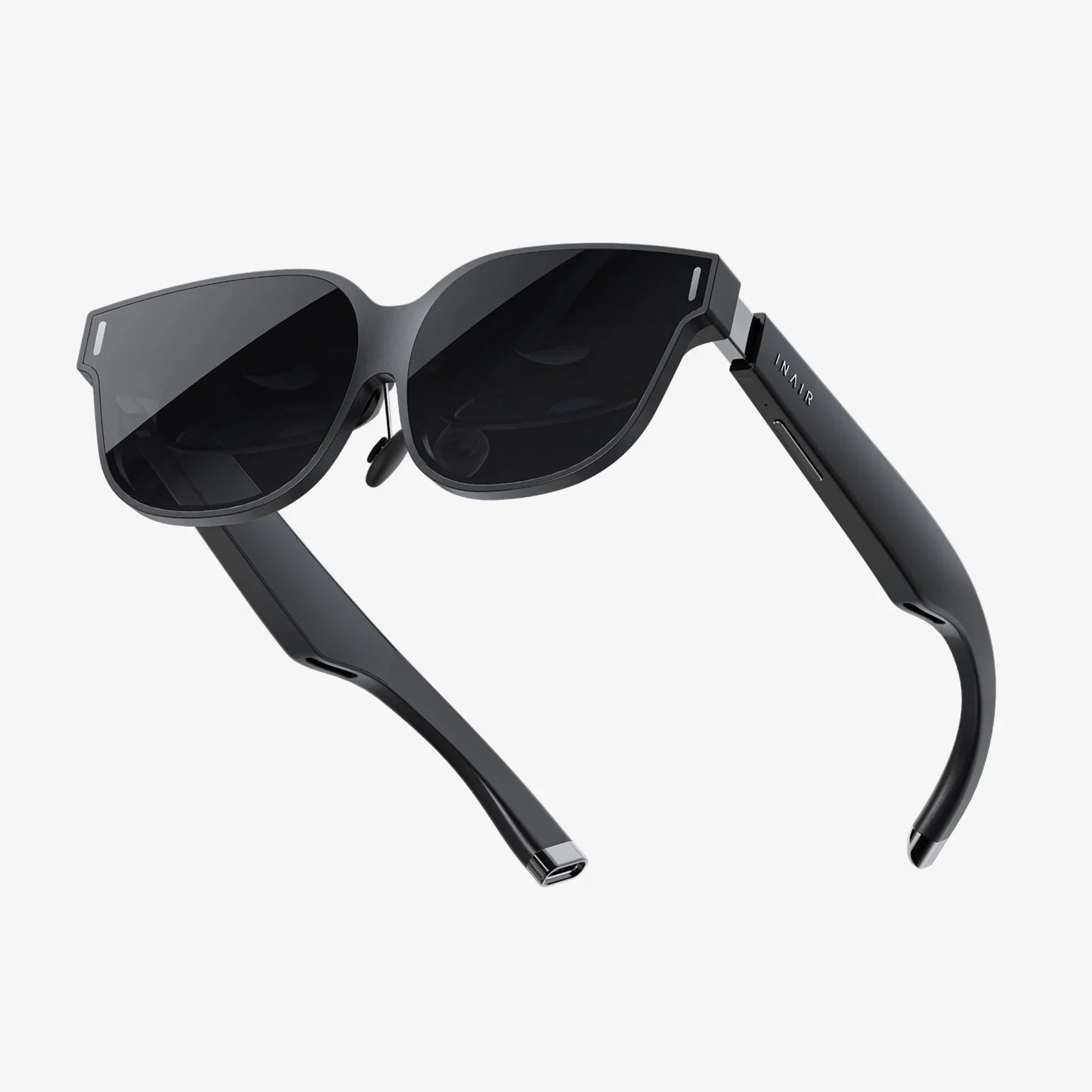
Imagine a world where your environment anticipates your needs, your work is augmented by an invisible assistant, and your health is monitored by a guardian angel woven into the very devices you own. This isn't a distant science fiction fantasy; it is the emerging reality sculpted by the proliferation of AI powered products. These are not mere gadgets with a clever algorithm; they are the vanguard of a fundamental shift, embedding cognitive capabilities into the objects around us, creating an ecosystem of intelligence that is quietly, yet irrevocably, reshaping the human experience. The age of smart is evolving into the era of intelligent, and it is a revolution happening right in the palm of your hand, in your home, and across the global networks that connect us all.
The Engine Room: What Makes a Product "AI Powered"?
At its core, an AI powered product is any physical device or software application that utilizes artificial intelligence—specifically machine learning and deep learning—to perform tasks that traditionally required human intelligence. The key differentiator from simpler automated products is the capacity to learn, adapt, and make decisions based on data.
This intelligence is fueled by a continuous loop of data ingestion, processing, and learning. Sensors within a device collect vast amounts of data—images, sounds, temperature, user interactions. This data is then processed, often both on the device itself (edge computing) and in powerful remote data centers. Machine learning models analyze this data to identify patterns, make predictions, and ultimately execute a function or provide a recommendation. Crucially, as more data is collected, the models refine their understanding, leading to improved performance and more personalized experiences over time. This ability to evolve beyond its original programming is the hallmark of a truly AI powered product, moving from simple if-then commands to complex what-if reasoning.
The Invisible Hand: AI in the Smart Home and Beyond
The most tangible and widespread adoption of AI powered products has occurred within the domestic sphere. The modern smart home is a symphony of interconnected AI devices working in concert.
- Intelligent Climate Control: Modern climate control systems do far more than just turn on at a set time. They learn your daily schedule, preferences for different times of day, and even factor in external weather data and occupancy sensors to optimize temperature and humidity for both comfort and energy efficiency, often making adjustments before you even realize you're uncomfortable.
- Advanced Kitchen Appliances: The kitchen has become a hub of AI innovation. Ovens can now recognize the food placed inside them and automatically select the perfect cooking mode and time. Refrigerators equipped with internal cameras can track inventory, suggest recipes based on available ingredients, and even create shopping lists, acting as a culinary co-pilot.
- Robotic Helpers: Robotic vacuum cleaners have evolved from simple random-path machines to sophisticated navigators. Using computer vision and simultaneous localization and mapping (SLAM) technology, they learn the layout of a home, create efficient cleaning paths, avoid obstacles like pets and toys, and can even be instructed to clean specific rooms through voice commands.
This domestic integration creates an environment that is not only more convenient but also more accessible, assisting the elderly and those with disabilities in maintaining independence.
The Cognitive Companion: AI in Personal Devices and Wearables
Perhaps the most personal category of AI powered products is the one we carry with us or wear on our bodies. These devices have transformed from passive tools into proactive health and productivity partners.
- Health and Wellness Monitors: Modern wearables are akin to having a personal medical lab on your wrist. They use AI to analyze heart rate variability, sleep patterns, and blood oxygen levels to provide insights into overall wellness. Advanced algorithms can now detect anomalies like atrial fibrillation (AFib) or warn of unusually high or low heart rates, potentially providing life-saving early warnings. They don't just collect data; they interpret it, offering actionable advice on recovery, sleep quality, and stress management.
- Smartphone Photography: The camera in your pocket is a powerful AI product. Computational photography uses machine learning to enhance images in real-time—blurring backgrounds in portrait mode, optimizing night shots by stacking multiple images, and recognizing scenes to adjust settings automatically. It’s AI that turns a simple photo into a professional-looking image.
- Voice-Activated Assistants: Integrated into phones and smart speakers, these assistants use natural language processing (NLP) to understand context and intent. They manage schedules, control smart home devices, answer questions by synthesizing information from the web, and even make guesses about your needs based on time and location, moving beyond command-response to a more conversational and predictive interaction.
The Augmented Workforce: AI in Professional and Industrial Realms
Beyond consumer convenience, AI powered products are driving a tectonic shift in industries, augmenting human capabilities and unlocking new levels of efficiency and safety.
- Precision Agriculture: AI-driven sensors on drones and tractors analyze crop health, soil conditions, and pest presence across vast fields. This allows for hyper-targeted application of water and fertilizers, reducing waste and environmental impact while maximizing yield. It's a move from farming by the field to farming by the square inch.
- Predictive Maintenance: In manufacturing and energy, AI-powered sensors attached to machinery monitor for subtle changes in vibration, heat, or sound that precede a failure. By predicting breakdowns before they happen, companies can schedule maintenance proactively, avoiding costly downtime and catastrophic accidents.
- Logistics and Warehousing: Autonomous mobile robots navigate massive warehouses, moving goods with superhuman efficiency. AI systems optimize inventory placement, predict order volumes, and manage entire supply chains by analyzing countless variables from weather patterns to global news events, ensuring resilience and speed.
- Creative and Knowledge Work: AI tools are becoming co-pilots for professionals. They can draft documents, analyze legal contracts for risks, generate code snippets, create marketing copy, and even compose music or generate visual art based on textual descriptions, freeing humans to focus on strategy, emotion, and innovation.
Navigating the New Frontier: Ethical Considerations and Responsible Development
The integration of AI into products is not without its profound challenges. As these technologies become more embedded in our lives, a critical conversation about ethics and responsibility is paramount.
- Data Privacy and Security: AI powered products are, by nature, data-hungry. The constant collection of personal information—from our conversations and locations to our health metrics—creates a significant privacy risk. Robust data encryption, transparent data usage policies, and giving users genuine control over their information are non-negotiable requirements for ethical development.
- Algorithmic Bias: AI models are only as good as the data they are trained on. If historical data contains human biases (e.g., in hiring, lending, or law enforcement), the AI will not only replicate but potentially amplify these biases. Vigilant auditing for fairness and diversity in training datasets is crucial to prevent creating products that perpetuate discrimination.
- The Black Box Problem: The decision-making process of complex deep learning models can be inscrutable, even to their creators. When an AI-powered medical device makes a diagnosis or a hiring tool rejects a candidate, we must be able to understand why. Research into explainable AI (XAI) is essential for building trust and ensuring accountability.
- Economic and Employment Shifts:
While AI powered products will augment many jobs, they will inevitably displace others. A societal focus on reskilling and education, alongside a potential re-evaluation of economic structures, will be necessary to navigate this transition and ensure the benefits of AI are broadly shared, rather than concentrated in the hands of a few.
The Future is Contextual and Ambient
The next evolutionary leap for AI powered products will be a move away from discrete devices and towards a seamless, ambient intelligence. Instead of interacting with individual gadgets, we will inhabit environments that understand and respond to our context. Imagine walking into a room where the lighting, temperature, and music automatically adjust to your measured stress levels and the time of day. Your car will not only drive itself but will also reschedule your meetings based on real-time traffic conditions detected by its AI. This future is one of frictionless interaction, where technology recedes into the background, anticipating needs and orchestrating the world around you to support your goals and well-being without requiring constant explicit commands.
This silent revolution, powered by artificial intelligence, is not about replacing humanity but about enhancing it. It promises a world of unprecedented convenience, personalization, and efficiency. Yet, its ultimate shape depends not on the technology itself, but on the choices we make today. By prioritizing ethical development, human-centric design, and equitable access, we can steer this powerful force towards a future where AI powered products uplift society, solve our most pressing challenges, and amplify the very best of human potential. The intelligent world is already here; the opportunity is to build it wisely.
Share:
Premium AR Glasses Are Redefining Reality and How We Interact With It
Interactive 3D Video: The Future of Digital Storytelling and Immersive Experience