


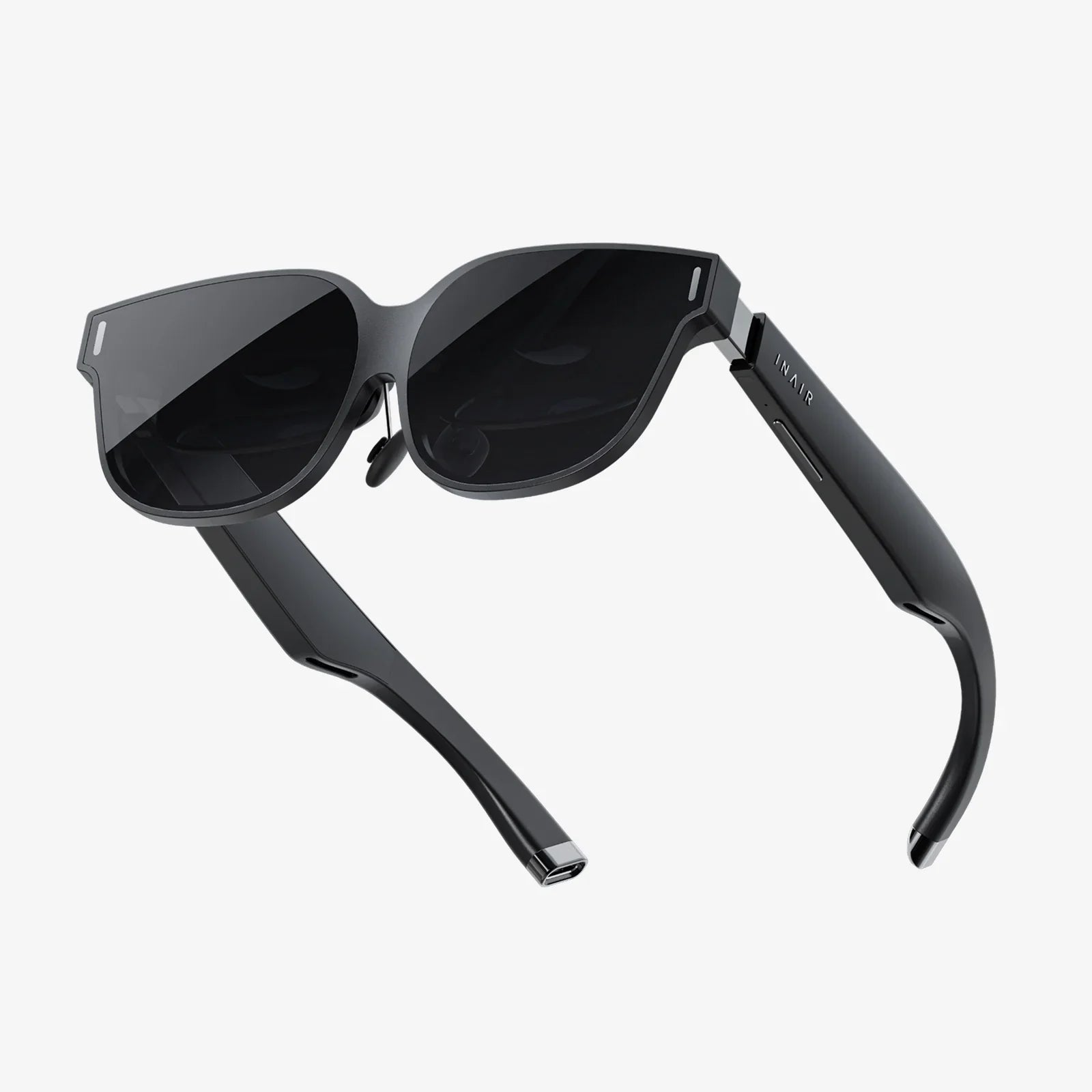
Imagine a world where your watch doesn't just tell time but tells you you're about to get sick, where your ring senses your stress levels and guides you through a calming breath, and where your glasses translate a foreign street sign in real-time. This isn't a glimpse into a distant future; it is the reality being built today by the rapid evolution of AI powered wearable devices. These are not mere accessories; they are becoming our partners, coaches, and guardians, seamlessly integrating into the fabric of our existence and fundamentally altering our relationship with technology, data, and our own bodies. The revolution is not loud; it is quietly humming on our wrists, in our ears, and on our faces, and it is poised to change everything.
The Convergence of Intelligence: From Data to Insight
The fundamental leap from basic wearables to their AI powered successors is the shift from passive data collection to active, intelligent interpretation. Early devices were brilliant data loggers—counting steps, measuring heart rate, and tracking sleep cycles. However, the onus of understanding what that data meant fell almost entirely on the user. A graph showing restless sleep was just that: a graph. It was a snapshot of the past with little context for the future.
AI shatters this paradigm. At its core, an AI powered wearable device is a sophisticated system built on a continuous feedback loop of data, analysis, and actionable insight.
- The Hardware Foundation: It begins with a suite of advanced miniaturized sensors—accelerometers, gyroscopes, optical heart rate monitors, electrodermal activity sensors, skin temperature sensors, microphones, and even emerging technologies like photoplethysmography (PPG) and electrocardiogram (ECG) capabilities. These components are the device's eyes and ears, constantly gathering raw, physiological and environmental data.
- The Neural Network Brain: This raw data torrent is where the magic happens. On-device or cloud-based machine learning algorithms, particularly neural networks designed for pattern recognition, ingest this information. They don't just look at a single data point; they analyze complex, multi-dimensional streams of data over time. The AI is trained on massive, anonymized datasets, learning to recognize the subtle patterns and correlations that are invisible to the human eye. It understands that a elevated resting heart rate combined with a slight increase in skin temperature and decreased heart rate variability might be the precursor to an illness, not just a random anomaly.
- The Delivery of Actionable Intelligence: The final, crucial step is the translation of this analysis into something profoundly useful. Instead of a confusing graph, the user receives a simple, proactive notification: "Trends show your body may be fighting an infection. Consider rest and hydration." This is the true power of AI—it provides context, prediction, and personalized recommendation, moving from hindsight to foresight.
Revolutionizing Personal Health and Predictive Medicine
Perhaps the most profound impact of AI powered wearable devices is being felt in the realm of healthcare. They are catalyzing a shift from the reactive, episodic care model of the past—where you see a doctor only when you feel sick—to a continuous, proactive, and personalized model of health management.
These devices act as a perpetual health monitor, creating a comprehensive, longitudinal picture of an individual's wellbeing. This deep, real-world data is invaluable for:
- Early Detection and Prevention: AI algorithms can identify subtle deviations from a user's personal baseline that may indicate the onset of conditions like atrial fibrillation (AFib), sleep apnea, or the early signs of respiratory infections. By providing an early warning, these devices empower individuals to seek medical advice sooner, potentially preventing serious complications.
- Chronic Disease Management: For the millions living with chronic conditions such as diabetes, hypertension, or cardiovascular disease, AI wearables are transformative. They can continuously monitor glucose levels (through non-invasive or minimally invasive sensors), track blood pressure, and provide reminders for medication. The AI can analyze trends to predict potential hyperglycemic events or hypertensive crises, allowing for preemptive adjustments to diet, activity, or medication.
- Mental Health and Wellness: The frontier of mental health is now being explored through wearables. By analyzing heart rate variability, sleep patterns, and physical activity levels, AI can detect patterns indicative of stress, anxiety, or depressive episodes. The device can then intervene in the moment with guided breathing exercises, mindfulness prompts, or suggestions to take a walk, creating a constant, accessible layer of mental health support.
- Remote Patient Monitoring (RPM): This is a game-changer for healthcare systems. Instead of lengthy hospital stays or frequent clinic visits, patients can be sent home with AI powered wearable devices that continuously stream vital signs to their healthcare providers. Doctors can monitor recovery from surgery, manage elderly patients living independently, and oversee treatment plans from a distance, improving outcomes and reducing costs dramatically.
Beyond Health: The Augmented Human Experience
While health is a primary driver, the application of AI in wearables extends far into enhancing daily human performance and interaction.
The Personalized Fitness Coach
The generic, one-size-fits-all training plan is becoming obsolete. AI powered wearables analyze your workout history, recovery status, sleep quality, and daily activity to build a dynamically adapting fitness regimen. It doesn't just tell you to run five miles; it tells you how to run based on your current condition. It might suggest a recovery day if your HRV is low, recommend a high-intensity interval training (HIIT) session if you're well-rested, and even provide real-time form feedback during exercises to prevent injury. It is a hyper-personalized coach on your wrist, dedicated solely to your optimal performance.
Seamless Productivity and Connectivity
In the professional sphere, these devices are streamlining our digital lives. AI assistants integrated into earbuds or smart glasses can manage schedules, prioritize notifications based on context, filter out irrelevant noise to enhance focus, and even provide real-time language translation during conversations. This creates a more intuitive and less intrusive way to interact with technology, freeing us from constantly staring at screens and allowing for more natural human connection.
Safety and Security
Advanced fall detection for the elderly, which can automatically summon emergency services, is now a standard feature. Future applications could include environmental hazard detection (e.g., high levels of carbon monoxide or UV radiation) or personal safety features like discreetly alerting contacts if the wearer feels threatened. The device evolves from a tracker of activity to a guardian of personal safety.
Navigating the Challenges: The Flip Side of the Coin
This technological utopia is not without its significant challenges and ethical dilemmas. The very nature of AI powered wearable devices—constantly collecting the most intimate details of our lives—creates a host of concerns that society must urgently address.
- Data Privacy and Security: These devices generate a treasure trove of highly sensitive biometric data. The question of who owns this data, how it is stored, who has access to it (employers, insurers, third-party advertisers?), and how it is protected from breaches is paramount. The potential for misuse is staggering, from personalized manipulation to discrimination based on health predispositions.
- Algorithmic Bias and Accuracy: AI models are only as good as the data they are trained on. If training datasets lack diversity, the algorithms can become biased, leading to inaccurate readings or recommendations for underrepresented demographic groups. A faulty heart rate algorithm could have serious consequences. Ensuring these devices are clinically validated and their AI is fair and transparent is a critical hurdle.
- The Psychological Impact: Constant health monitoring can lead to "cyberchondria" or heightened health anxiety, where every data fluctuation causes stress. It can also foster an obsessive relationship with quantified self metrics, where people live by the numbers on their screen rather than listening to their own bodily cues.
- Regulatory and Ethical Gray Areas: How do we regulate software that learns and evolves on its own? If an AI suggests a course of action that leads to a negative health outcome, who is liable—the developer, the manufacturer, or the user? These are complex questions that regulators are struggling to keep pace with.
The Invisible Future: Where Do We Go From Here?
The next generation of AI powered wearable devices will move beyond the wrist and ear. The trend is toward complete invisibility and deeper integration. We are moving toward smart fabrics with sensors woven directly into clothing, advanced patches that adhere to the skin for continuous medical-grade monitoring, and even hearables that augment auditory perception. The goal is to remove the conscious interaction with the device altogether, creating an ambient intelligence that works silently in the background to enhance our lives.
The convergence with other fields like genomics and augmented reality (AR) will unlock new possibilities. Imagine a device that not only tracks your vitals but also considers your genetic predispositions to provide truly personalized nutrition advice. Or AR glasses that overlay your real-world view with contextual health metrics and navigation, guided by an AI that understands your goals and schedule.
The path forward requires a collaborative effort. Technologists must prioritize ethical design and robust security. Policymakers must create agile regulatory frameworks that protect citizens without stifling innovation. And as users, we must engage critically, demanding transparency and control over our personal data. We must learn to harness this powerful technology as a tool for empowerment, not a source of anxiety or dependency.
The era of dumb wearables is over. We are now entering an age of intelligent companions, seamlessly woven into our lives, anticipating our needs, and empowering us to live healthier, safer, and more productive lives. The device on your wrist is just the beginning; it is the gateway to a more connected, intuitive, and profoundly human future, all guided by the silent, intelligent hum of artificial intelligence.
Share:
AR Smart Glasses Market: A Vision of the Future Unveiled
Spatial Computing Productivity News: The Future of Work is Here