


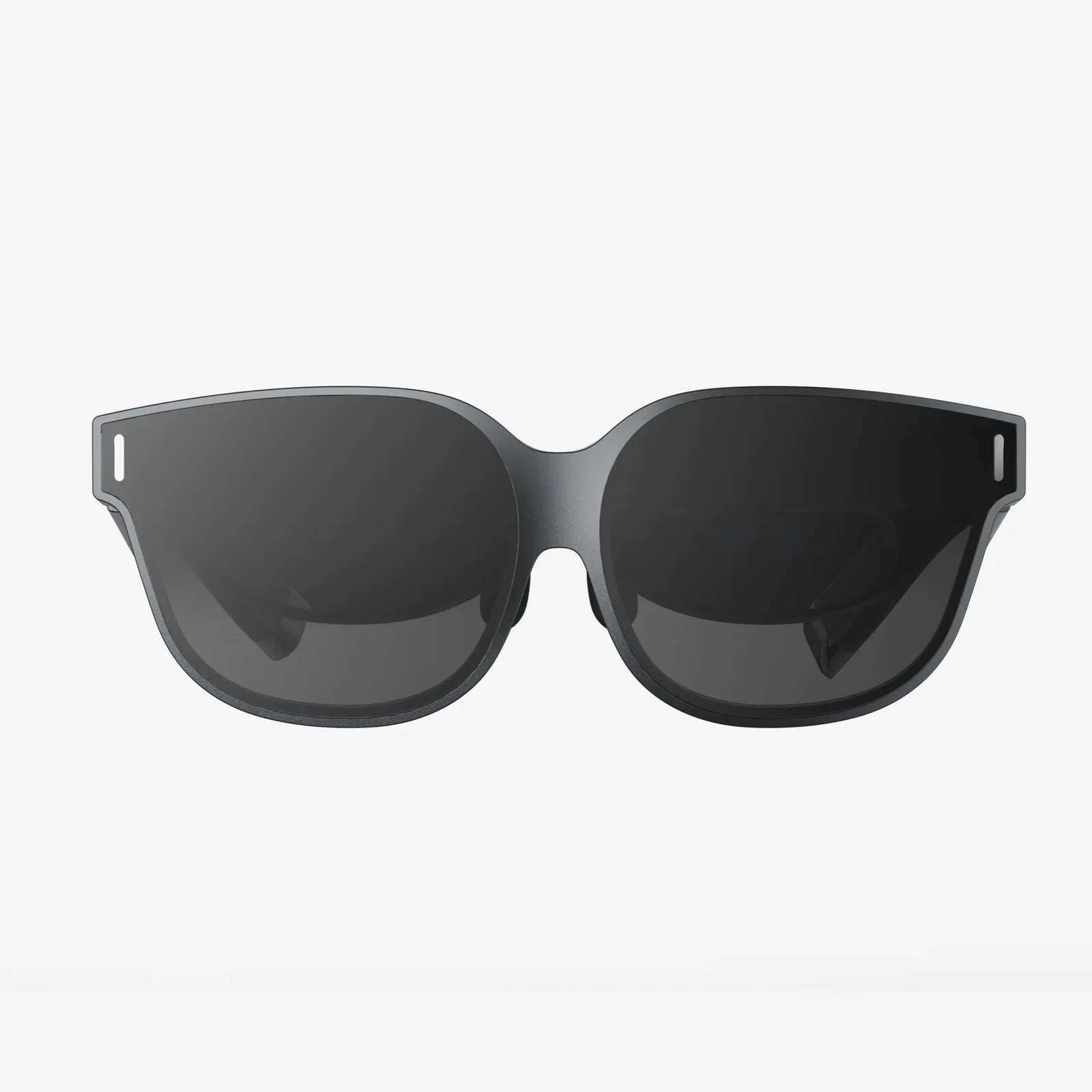
Imagine a world where your sunglasses do more than just shield your eyes from the sun; they translate foreign street signs in real-time, identify constellations in the night sky, and discreetly read your text messages aloud directly into your ears. This isn't a scene from a science fiction movie—it's the reality offered by AI-powered sunglasses, a revolutionary new category of wearable technology that is capturing the imagination of tech enthusiasts and fashion-forward consumers alike. But as with any groundbreaking innovation, the first question on everyone's mind is: what's the cost? The price of AI sunglasses is a complex equation, far more intricate than the sum of their materials, and understanding it is key to navigating this exciting new market.
The Core Technology: What You're Actually Paying For
To comprehend the price tag attached to AI sunglasses, one must first appreciate the sophisticated technology packed into their sleek frames. This isn't just a pair of lenses with a tiny microphone; it's a compact, wearable computer.
Miniaturized Processing Power
At the heart of every AI sunglasses unit is a powerful, miniaturized processor. This chip is responsible for handling complex computations locally, from processing voice commands to running on-device artificial intelligence models for tasks like translation or object recognition. The research, development, and manufacturing of these specialized, low-power consumption chips represent a significant portion of the initial cost. Unlike a smartphone processor that can be larger and draw more power, these chips must be incredibly efficient and small enough to fit discreetly in a temple arm without causing discomfort or overheating.
Advanced Audio Systems
A hallmark feature of most AI sunglasses is their open-ear audio technology. Instead of traditional speakers that blast sound waves everywhere, these devices use innovative methods like bone conduction or miniature directional speakers to project sound directly into the user's ear canal. This allows you to hear music, take calls, and interact with your AI assistant while remaining fully aware of your surroundings. The engineering behind this audio system—ensuring clarity, privacy, and comfort—is a feat of acoustic design that contributes notably to the overall expense.
Sensor Arrays and Cameras
To interact with the world, these glasses need to perceive it. This is achieved through a suite of discreet sensors. This can include:
- Microphones: Beam-forming microphones that can isolate your voice from ambient noise, wind, and crowd chatter.
- Cameras: Ultra-compact, high-resolution cameras for computer vision tasks. The optics and image sensors must be high quality yet tiny enough to be almost invisible on the frame.
- Inertial Measurement Units (IMUs): Gyroscopes and accelerometers that track head movement, enabling contextual awareness.
- GPS & Connectivity: Modules for GPS, Bluetooth, and Wi-Fi are all integrated seamlessly, requiring expert antenna design to avoid interference.
The AI and Software Ecosystem
The "AI" in AI sunglasses isn't just a marketing term; it's a ongoing service. The price includes access to and development of the sophisticated software that powers the device. This includes:
- Natural Language Processing (NLP) engines for understanding voice commands.
- Computer vision models for identifying objects, text, and people (with privacy safeguards).
- Real-time translation algorithms.
- A dedicated mobile application for device management, updates, and customization.
- Ongoing cloud services for more complex computations that can't be handled on-device.
The continuous development, server costs, and software updates over the lifespan of the product are factored into the initial purchase price.
The Price Spectrum: From Entry-Level to Premium Experiences
Currently, the market for true AI sunglasses is nascent, but a clear price spectrum is emerging, typically ranging from just under two hundred to well over six hundred dollars. This wide range is dictated by the factors outlined above.
The Budget-Conscious Tier (Approximately $150 - $250)
At this end of the spectrum, you'll typically find glasses that focus on one or two core AI features, often centered around audio. The primary function is as a high-quality pair of open-ear headphones with a robust voice assistant integration. The AI capabilities might be more limited, relying more heavily on a connected smartphone's processing power via Bluetooth. Materials might include more polycarbonates and less premium metals, and the design, while functional, may not come from a high-fashion house. The camera and sensor suite will be more basic, if present at all. For many, this tier offers a compelling entry point to experience the hands-free audio and assistant benefits without the premium cost.
The Mainstream and Prosumer Tier (Approximately $250 - $450)
This is the sweet spot for most early adopters seeking a full-featured experience. Glasses in this range boast more advanced on-device processing, allowing for faster and more reliable AI interactions without constant phone dependency. You can expect better cameras for photos and computer vision tasks, superior audio quality with effective noise cancellation for calls, and higher-grade materials like aluminum alloys and better-quality lenses (including prescription options). The design is a key focus here, with more attention paid to aesthetics, weight distribution, and overall wearability. This tier represents the current benchmark for a balanced combination of performance, features, and design.
The Luxury and Cutting-Edge Tier ($500 and Above)
Breaking the five-hundred-dollar barrier places a product firmly in the luxury or ultra-high-tech category. Here, price is influenced by several factors beyond raw specs. You are paying for:
- Top-Tier Materials: Titanium frames, custom polarized or photochromic lenses, and genuine leather details.
- Fashion Collaborations: Partnerships with renowned fashion brands or designers add a significant premium, much like traditional luxury sunglasses.
- Bespoke Tech: The absolute latest sensor technology, the most powerful proprietary chips, and exclusive software features that may not be available on lower-cost models.
- Superior Build Quality and Warranty: Exceptional craftsmanship and comprehensive customer support.
Products in this tier are as much a fashion statement and a status symbol as they are a piece of technology.
Beyond the Sticker Price: The Total Cost of Ownership
The initial purchase is only part of the financial consideration. Smart consumers must also factor in the total cost of ownership.
Subscription Models: The Ongoing Fee Debate
A critical and sometimes controversial aspect of the AI sunglasses price structure is the potential for subscription fees. Some manufacturers may choose to offer the hardware at a lower upfront cost but lock advanced features behind a monthly or annual paywall. These features could include:
- Advanced real-time translation for numerous languages.
- Enhanced cloud processing and storage for photos and videos.
- Premium music service integrations or exclusive content.
- Priority access to new software features and beta programs.
This model can make the entry price more attractive but adds a recurring expense that must be calculated over the intended lifespan of the product. It's essential to research whether a device's core functionality requires a subscription or if it's only for premium add-ons.
Insurance, Repairs, and Lens Replacements
Unlike a cheap pair of shades lost at the beach, losing or breaking a pair of AI sunglasses is a major financial setback. Investing in insurance or a manufacturer's extended warranty is a prudent consideration. Furthermore, if the glasses support prescription lenses, the cost of those lenses (and potential replacements if your prescription changes) must be added to the overall investment. Scratches on camera lenses or damage to the internal electronics can be costly or even impossible to repair, making protective cases and careful handling non-negotiable.
Market Forces and Future Predictions
The current AI sunglasses price point is not static. It is subject to the classic forces of technological adoption and market competition.
The Early Adopter Premium
Right now, we are in the early adopter phase of the product lifecycle. Consumers buying these first-generation devices are effectively funding the massive R&D costs. They are paying a premium to be on the cutting edge. As the technology matures, components become cheaper to produce, manufacturing processes become more efficient, and competition increases, prices will inevitably fall for equivalent feature sets. This is the same pattern witnessed with flat-screen televisions, smartphones, and wireless headphones.
The Inevitability of Competition
As the category proves its viability, more players will enter the market. This increased competition will be the primary driver for more aggressive pricing, feature differentiation, and better value propositions. We can expect to see a proliferation of models at various price points, each catering to specific niches—fitness, business, gaming, fashion—which will help democratize the technology.
The Value Proposition: Are They Worth It?
Ultimately, the question of price is a question of value. For a professional who spends hours on calls while commuting, the ability to have crystal-clear audio without isolating earbuds could be a productivity and safety game-changer worth hundreds of dollars. For a traveler, real-time translation could remove significant language barriers, enriching their experience in a way that is difficult to put a price on. For someone deeply embedded in a tech ecosystem, the seamless integration of an AI assistant into their eyewear could be the ultimate convenience. The value is highly subjective and depends entirely on the individual's lifestyle, needs, and willingness to integrate this technology into their daily routine.
The journey into the world of AI eyewear is just beginning, and the price of admission, while currently steep for some, is a direct reflection of the incredible engineering and software marvels tucked into those frames. As this technology evolves from a novelty for the tech-elite to a mainstream tool, the costs will refine, the features will become more impressive, and the line between human and augmented capability will continue to blur. The decision to invest today is less about the price and more about buying a first-class ticket to the forefront of the next computing revolution, one that happens right before your eyes—and ears.
Share:
Android XR Get: The Ultimate Guide to Unlocking Immersive Experiences
Augmented Reality Skills: The Essential Toolkit for the Next Digital Revolution