


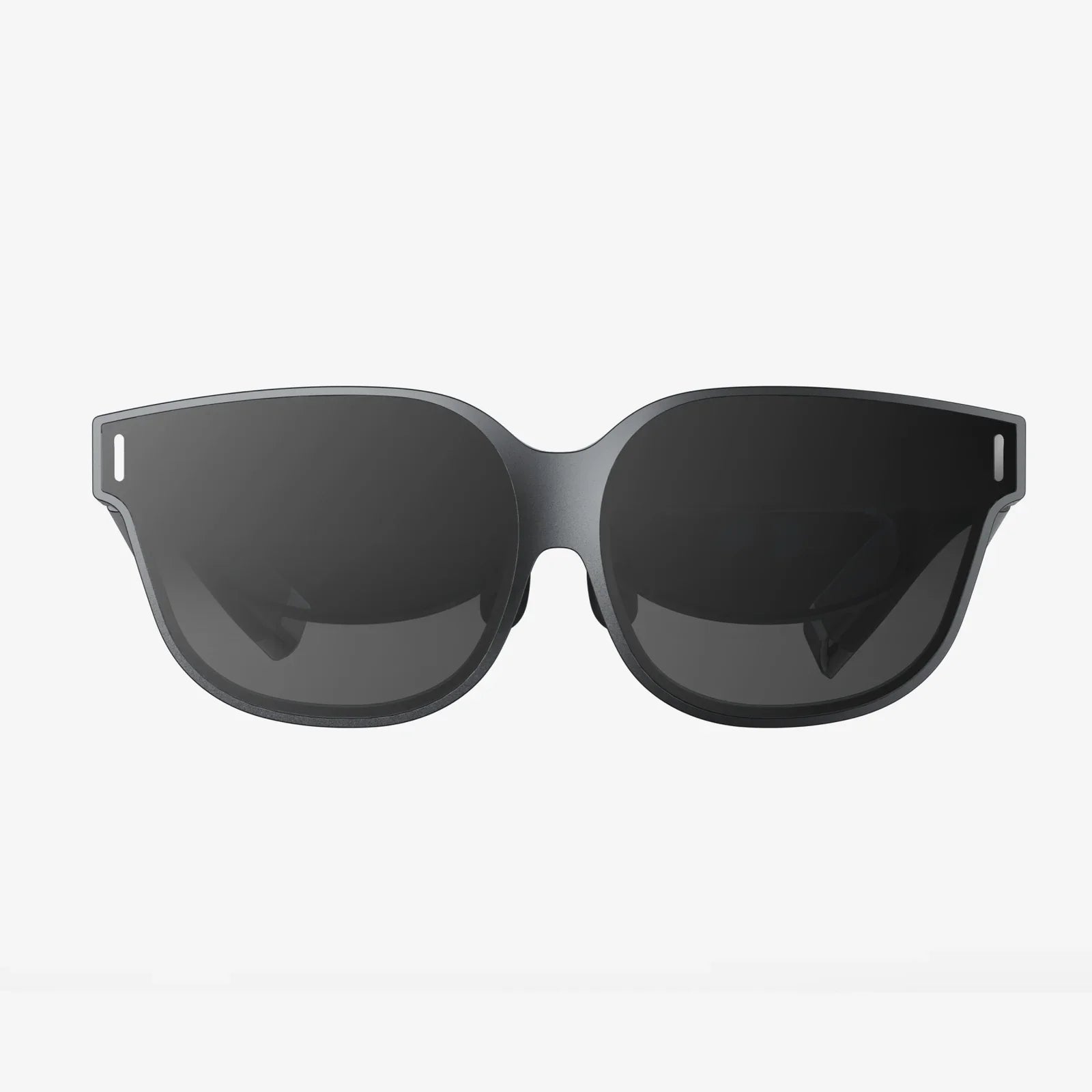
Imagine a world where your watch doesn't just tell you your heart rate is elevated; it knows you’re about to have a panic attack and guides you through a breathing exercise to stop it before it starts. This is not a scene from a science fiction novel; it is the imminent reality of AI wearable technology in 2025, a frontier where our devices cease to be tools and become intelligent, anticipatory extensions of our very selves.
The Convergence: From Connected to Cognitive
The journey of wearable technology has been one of rapid miniaturization and connectivity. We began with simple pedometers, evolved to heart rate monitors, and now wear devices that track an ever-expanding array of biometric and environmental data. However, 2025 marks a critical inflection point. It is the year the industry shifts from connected wearables to cognitive wearables. This transformation is powered by the convergence of several disruptive technologies:
- Advanced Edge AI: Instead of merely collecting data to be processed in the cloud, wearables will feature sophisticated neural processing units (NPUs) capable of running complex machine learning models directly on the device. This enables real-time analysis and response without latency, all while enhancing user privacy by keeping sensitive data local.
- Multi-Modal Sensing: Future devices will move beyond optical heart rate sensors and accelerometers. They will incorporate a suite of sensors including continuous, non-invasive blood glucose monitors, electrodermal activity (EDA) sensors for stress, MEMS microphones for advanced audio context, and environmental scanners for air quality and allergens.
- Ambient Computing: AI wearables will become the central hub for our personal area network, seamlessly integrating with other smart devices—earbuds, glasses, smart fabric clothing—to create a cohesive, ambient intelligent environment that understands and adapts to our needs without explicit commands.
Revolutionizing Personalized Healthcare: The Clinic on Your Wrist
The most profound impact of AI wearables in 2025 will be felt in the realm of healthcare, transitioning the focus from sick care to truly predictive and preventive health.
Predictive Diagnostics and Early Intervention
By continuously analyzing patterns in physiological data, AI algorithms will become adept at identifying subtle deviations that precede major health events. For instance, anomalies in heart rate variability (HRV), skin temperature, and sleep patterns could provide an early warning system for conditions like influenza, Lyme disease, or even the onset of autoimmune flares. The device wouldn't just alert the user; it could provide a preliminary assessment and recommend a specific course of action, such as contacting a healthcare provider or adjusting medication.
Mental Health and Emotional Well-being
AI wearables will become indispensable partners in managing mental health. By correlating data from heart rate, EDA (stress response), voice tone analysis, and sleep quality, these devices will build a holistic picture of a user's emotional state. They will be able to detect rising anxiety levels and intervene with haptic-guided breathing exercises, suggest a walk based on lowered activity levels linked to depression, or even prompt a digital cognitive behavioral therapy (CBT) session. This creates a continuous feedback loop for emotional regulation, democratizing access to mental health support.
Remote Patient Monitoring and Decentralized Clinical Trials
The healthcare industry will increasingly rely on data from AI wearables for remote patient monitoring (RPM). For patients with chronic conditions like diabetes, hypertension, or cardiac issues, continuous monitoring allows for personalized treatment adjustments in real-time, reducing hospital readmissions. Furthermore, pharmaceutical companies will leverage this technology for massive, decentralized clinical trials, collecting rich, real-world data on drug efficacy and side effects with unprecedented granularity and scale.
Redefining Human Productivity and Cognitive Augmentation
Beyond health, AI wearables will fundamentally alter how we work, learn, and interact with information.
The Context-Aware Workday
Your wearable will become your ultimate productivity coach. By understanding your circadian rhythms, it will schedule deep-focus work during your peak cognitive hours and meetings during your natural lulls. It will notice signs of cognitive fatigue—like increased blink rate or slumping posture—and suggest a micro-break or a walk outside. In meetings, AI-powered smart glasses could provide real-time transcriptions, highlight key action items, and even offer subtle cues on the emotional tone of the conversation, making you more effective and empathetic.
Seamless Human-Machine Interaction
The keyboard and touchscreen will begin to recede. AI wearables will pioneer intuitive control paradigms through gesture recognition, subtle eye-tracking, and eventually, brain-computer interfaces (BCIs) in their earliest consumer forms. You might control your smart home with a glance, compose an email by dictating to your AR glasses, or answer a call with a subtle hand gesture. This creates a more natural and frictionless flow between our intentions and actions in the digital world.
Enhanced Learning and Memory
For students and lifelong learners, wearables will act as external cognitive hard drives. Imagine a device that records a lecture, transcribes it, and then uses AI to generate personalized study guides and flashcards based on the content you found most challenging. It could prompt you with spaced repetition cues to optimize memory retention, effectively creating a personalized learning loop tailored to your unique cognitive profile.
The Inevitable Challenges: Privacy, Ethics, and the Human Divide
This brave new world of anticipatory technology is not without its significant perils. The very intimacy that makes these devices powerful also makes them potentially dangerous.
The Privacy Paradox
The data collected by AI wearables in 2025 will be the most personal imaginable: a continuous stream of your biological, emotional, and behavioral states. The risk of this data being hacked, sold, or used for manipulation is immense. Robust, legislated data sovereignty frameworks will be required, giving users complete control over their digital selves. On-device processing will help, but the industry must adopt a privacy-by-design ethos to earn and maintain user trust.
Algorithmic Bias and Accountability
AI models are only as good as the data they are trained on. If training data lacks diversity, wearables could provide inaccurate health diagnoses or ineffective recommendations for underrepresented groups. A fundamental challenge will be ensuring these systems are fair, transparent, and accountable. Who is liable if an AI misses a predicted heart attack? The manufacturer, the software developer, or the healthcare provider? Establishing clear ethical guidelines and legal accountability will be critical.
The Augmentation Divide
As these technologies enhance cognitive and physical capabilities, a new socio-economic divide could emerge: those who are augmented and those who are not. Access to advanced AI wearables could become a significant advantage in education and the workplace, potentially exacerbating existing inequalities. Ensuring equitable access and preventing discrimination based on biological data will be one of the foremost societal challenges of the decade.
The Seamless Integration: Form Meets Function
For this technology to become truly ambient, it must be aesthetically pleasing and unobtrusive. The clunky smartwatch and fitness band will give way to a new generation of devices.
- Advanced Materials: We will see wider adoption of smart fabrics with sensors woven directly into the clothing, offering continuous monitoring without a separate device. Jewelry—rings, necklaces, bracelets—will become the new home for sophisticated sensors, making health tracking a fashionable statement.
- Discreet and Customizable: Form factors will diversify to suit personal style and specific use cases. Options will range from minimalist skin patches for specific medical monitoring to elegant, traditional-looking watches that hide immense computing power within a familiar form.
The line between the biological and the digital is blurring at an accelerating pace. By 2025, the AI wearable on your wrist, in your ear, or on your face will be less a piece of technology and more a deeply integrated partner in your life. It will know you better than you know yourself, anticipating your needs, protecting your health, and augmenting your abilities. The question is no longer if this future will arrive, but how we will choose to navigate its incredible opportunities and profound responsibilities. The era of the quantified self is ending; the era of the anticipatory self is about to begin.
Share:
Deep Learning Smart Devices: The Silent Revolution Reshaping Our Daily Lives
Deep Learning Smart Devices: The Silent Revolution Reshaping Our Daily Lives