


- by wangfred
AI Wearables for People: The Next Evolution in Personal Technology
- by wangfred
Imagine a world where the technology on your wrist or in your ear doesn't just track your steps but understands your health, anticipates your needs, and acts as a guardian for your well-being. This is no longer the realm of science fiction; it is the emerging reality powered by AI wearables for people. We stand at the precipice of a revolution, not in pocketable gadgets, but in intimate, intelligent companions woven into the fabric of our daily existence. This shift from passive data collection to active, contextual intelligence promises to redefine our relationship with technology, making it more personal, predictive, and powerfully transformative than ever before.
The story of wearables began with simple pedometers and heart rate monitors. These devices were data loggers, cataloging our movements and vital signs in a one-dimensional stream of numbers. We became obsessed with counting steps, chasing arbitrary goals, and viewing our health through a narrow, numerical lens. The limitation was stark: the data was descriptive, not prescriptive. It told us what was happening, but rarely why or what to do about it.
The infusion of artificial intelligence has been the pivotal turning point. By applying machine learning algorithms and neural networks to the vast, continuous streams of biometric and environmental data, these devices have evolved from calculators into companions. AI is the cognitive engine that transforms raw sensor data into meaningful, actionable insights. It detects patterns invisible to the human eye, establishes baselines unique to each individual, and provides context that turns information into intelligence.
At the heart of every advanced wearable is a sophisticated AI engine that operates on several key principles:
The most profound impact of AI wearables is unfolding in the domain of health and medicine, catalyzing a shift from a reactive sick-care system to a proactive health-care paradigm.
Unlike a yearly check-up or a sporadic doctor's visit, AI wearables provide a continuous, longitudinal view of a person's health. This is invaluable for managing chronic conditions like hypertension, diabetes, and cardiac arrhythmias. For example, continuous glucose monitors (CGMs) paired with AI can predict blood sugar spikes and crashes, suggesting dietary adjustments in real-time. Similarly, wearables can monitor blood pressure trends throughout the day, providing a far richer dataset for cardiologists than a single point-in-time measurement.
The ability to detect anomalies early is a game-changer. There are countless documented cases of wearables identifying irregular heart rhythms indicative of AFib, a leading cause of stroke, often before the individual experiences any noticeable symptoms. This early warning enables people to seek medical attention sooner, potentially preventing catastrophic health events. Researchers are exploring the use of AI to detect other conditions from wearable data, including the early signs of Parkinson's disease, Lyme disease, and even certain types of infection.
AI wearables are expanding their focus from purely physical to mental and emotional health. By analyzing metrics like heart rate variability (HRV), skin temperature, and sleep patterns, these devices can provide insights into stress levels and overall mental well-being. Some advanced systems can suggest guided breathing exercises when they detect signs of stress or anxiety, offering a tool for immediate management. By tracking sleep stages with greater accuracy, they provide personalized recommendations for improving sleep hygiene, a cornerstone of mental health.
While health is a primary application, the potential of AI wearables extends far into enhancing daily life and human capability.
In an age of constant distraction, AI wearables can serve as focus coaches. By monitoring physiological signs of concentration and distraction, a device could suggest the optimal time for deep work or prompt a short break to maintain cognitive performance. It could analyze your daily rhythms to identify your most productive hours and schedule demanding tasks accordingly.
Safety features are becoming a standard offering. Fall detection for elderly users, which uses AI to distinguish between a trip and a serious fall, can automatically alert emergency services and designated contacts. For athletes and adventurers, features like built-in GPS and incident detection can summon help if someone is injured in a remote location. There is also potential for monitoring environmental hazards like excessive UV exposure or poor air quality, providing warnings to protect the user.
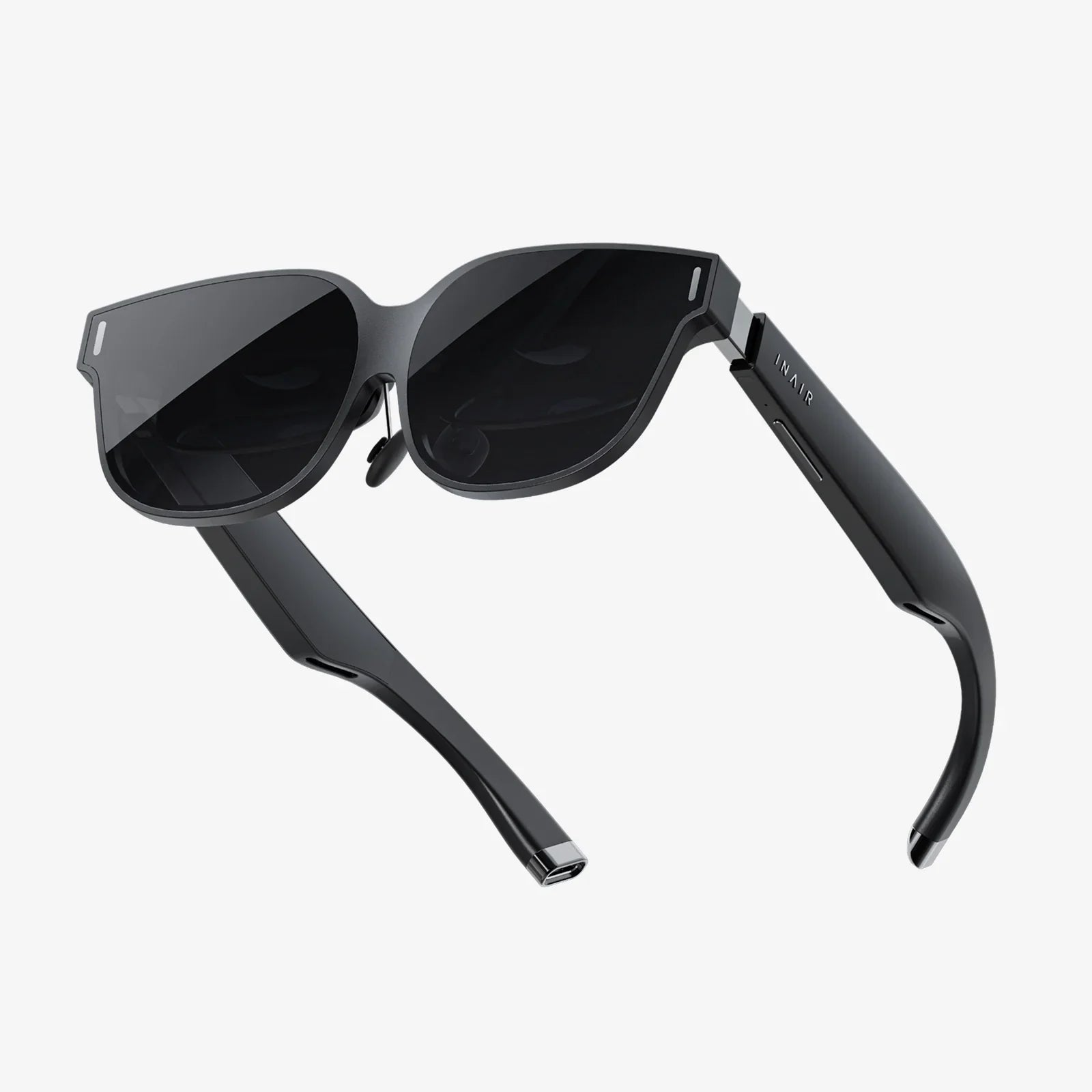
The future points towards wearables that understand our intentions without a spoken command or a tapped screen. Imagine smart glasses that provide real-time language translation subtitled onto your field of view, or earbuds that can filter out specific background noises in a crowded room to enhance conversation. AI is the key to creating this intuitive, ambient computing layer that integrates seamlessly into our lives.
This powerful technology does not arrive without significant challenges and ethical dilemmas that society must urgently address.
AI wearables collect the most intimate data imaginable: a real-time record of your body and your life. Where is this data stored? Who owns it? How is it used? The potential for misuse by corporations, insurers, employers, or malicious actors is enormous. Robust, transparent data governance frameworks are non-negotiable. Users must have full control over their data, with clear opt-in policies and the right to have their data deleted. Encryption and stringent security measures are essential to protect this sensitive information from breaches.
AI algorithms are only as good as the data they are trained on. If training datasets are not diverse, encompassing all ages, genders, ethnicities, and body types, the resulting AI can be biased and inaccurate for underrepresented groups. For example, a heart rate algorithm trained primarily on young, male athletes may be less accurate for an elderly woman or a person with darker skin tone. Combating this bias requires a conscious effort to build inclusive datasets and continuously audit algorithms for fairness.
When a consumer wearable provides a health alert, it exists in a regulatory gray area. These devices are generally classified as wellness products, not medical devices. This raises critical questions: What is the accuracy and clinical validity of these AI-driven detections? What are the psychological impacts of a false positive or a false negative? There is a risk of overwhelming healthcare systems with anxious, well individuals following device alerts. Clear guidelines are needed on how to integrate this consumer-generated data responsibly into clinical practice.
As we become more connected to our devices, there is a risk of becoming disconnected from our own bodily intuition and from human caregivers. Technology should augment, not replace, the doctor-patient relationship. The goal of an AI wearable should be to provide data that enriches a conversation with a healthcare professional, not to serve as a definitive diagnostic oracle. Preserving human touch and empathy in medicine is paramount.
The trajectory of AI wearables points towards even greater integration and intelligence. We are moving towards more discreet form factors—smart rings, patches, and even smart fabrics woven directly into clothing. These devices will likely operate as part of an ecosystem, with multiple sensors on the body communicating to paint a holistic picture of your health and environment. Battery technology and edge computing will advance, allowing more AI processing to happen on the device itself, enhancing speed and privacy. The ultimate goal is a technology that is so intuitive and helpful that it fades into the background, acting as a silent, supportive partner in our pursuit of a healthier, safer, and more productive life.
The true promise of AI wearables for people lies not in the technology itself, but in the empowerment it offers. It’s about giving individuals unprecedented visibility into their own bodies and minds, democratizing access to health insights that were once confined to a laboratory. This is a tool for taking control, for making informed decisions, and for forging a more personalized path to well-being. The journey has just begun, and the road ahead is as challenging as it is exciting, demanding careful thought and collective action to ensure these powerful tools are developed and deployed responsibly, ethically, and for the benefit of all humanity. The future on your wrist is smarter than you think, and it’s listening not to your commands, but to your needs.