


- by wangfred
Android Wearable Computer: The Future on Your Wrist and Beyond
- by wangfred
Imagine a world where your most powerful computer isn't in your pocket or on your desk, but seamlessly integrated into the fabric of your daily life, sitting on your wrist, perched on your face, or woven into your clothing. This is the promise and the rapidly unfolding reality of the Android wearable computer. No longer a fantastical concept from science fiction, these devices are here, and they are fundamentally altering our relationship with information, health, and connectivity. The journey from a simple notification relay to a bona fide standalone computer is one of the most fascinating narratives in modern technology, and it is a story that is still being written with every software update and hardware innovation.
The concept of a wearable computer is not new. For decades, visionaries and engineers dreamed of miniaturizing computing power to a portable form factor. However, the true catalyst for the modern era was the widespread adoption of the smartphone. The development of a versatile, open-source mobile operating system provided the perfect foundation. This ecosystem allowed manufacturers to create devices that could leverage a familiar, powerful software environment, ensuring compatibility with a vast universe of applications and services. The first generation of these devices were, in essence, companions. They acted as secondary screens, providing at-a-glance notifications, basic activity tracking, and remote control functions for the primary computer—the phone in your pocket. This symbiotic relationship was crucial for early adoption, as it extended smartphone functionality without demanding a complete behavioral shift from the user.
Today's devices are a marvel of miniaturization, packing an astonishing array of technology into a remarkably small form factor. Understanding the components is key to appreciating their capabilities.
At the heart of every device lies a System-on-a-Chip (SoC), a integrated circuit that combines the central processing unit (CPU), graphics processing unit (GPU), memory, and various connectivity modems. These chips are engineered for extreme power efficiency to maximize battery life without sacrificing performance. Surrounding the SoC is a suite of sensors that act as the device's eyes and ears. These typically include:
The display technology is another critical area of innovation. Always-on displays, high-resolution AMOLED screens, and advanced touch interfaces ensure that information is both readily available and easy to interact with, even in bright sunlight. Finally, the battery, though small, must power this dense collection of technology for a full day or more, driving constant innovation in battery chemistry and power management software.
The operating system is what transforms this collection of hardware into a cohesive computer. The software provides the user interface, manages device resources, and hosts applications. A key advantage of this platform is its deep integration with broader digital services. Users have access to a dedicated application store, allowing them to download everything from advanced fitness coaching programs to standalone music streaming clients and navigation tools. The operating system also handles the complex task of sensor fusion, intelligently combining data from multiple sensors to provide accurate health and activity metrics. Voice assistants are deeply integrated, allowing for hands-free control, sending messages, setting reminders, and controlling smart home devices directly from the wrist.
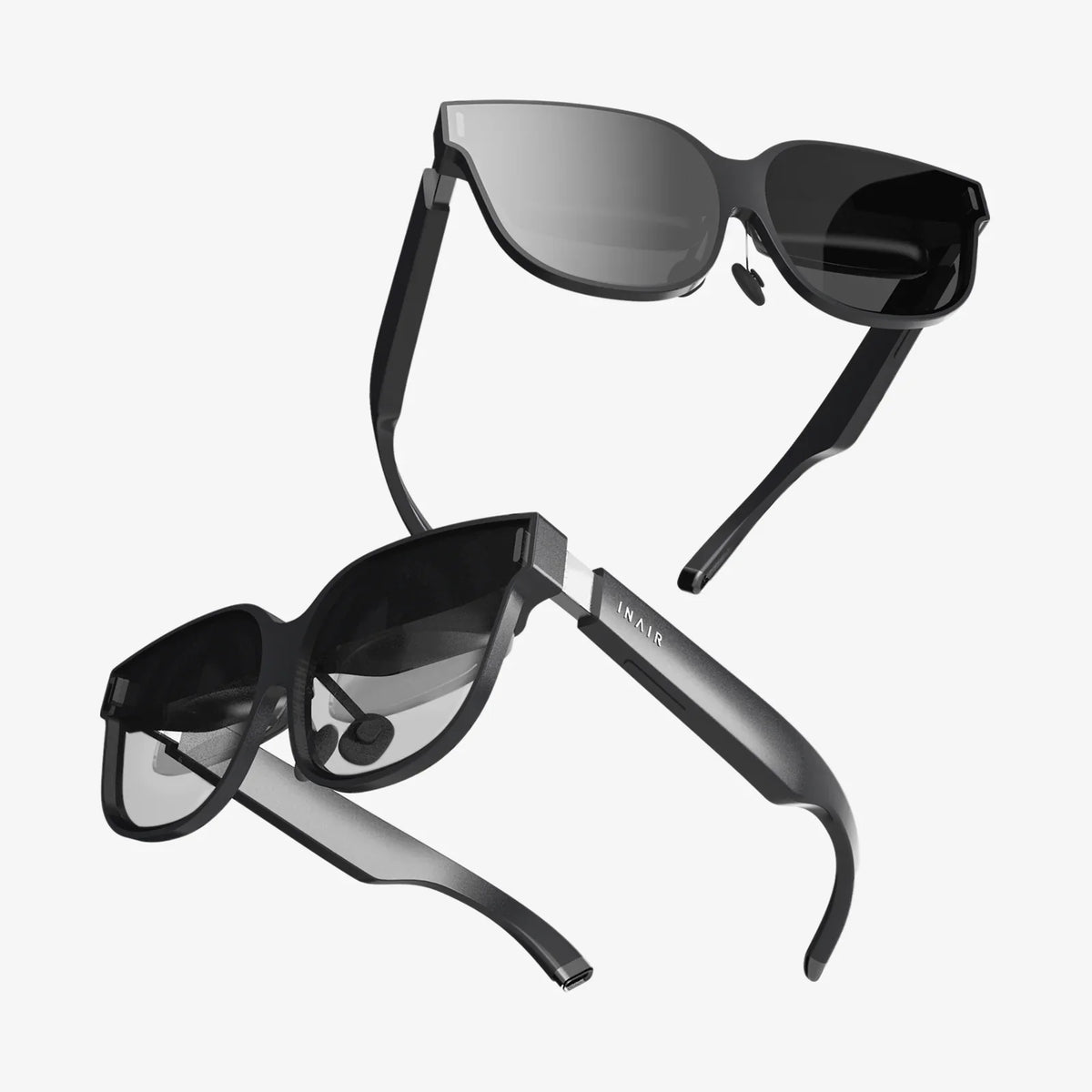
While the smartwatch is the most recognized form, the definition of an Android wearable computer is expanding rapidly.
Perhaps the most significant impact of the Android wearable computer has been in the realm of personal health. These devices have democratized access to health data that was once available only in clinical settings.
Continuous heart rate monitoring provides insights into resting heart rate, cardio fitness levels, and can even alert users to potential signs of atrial fibrillation. Sleep tracking algorithms analyze sleep stages (light, deep, REM) to offer suggestions for improving sleep hygiene. Advanced models now include sensors for measuring blood oxygen saturation (SpO2) and electrocardiogram (ECG) capabilities, turning the wearable into a potent tool for proactive health management. For athletes, the functionality is even more granular. Built-in GPS tracks routes, pace, and elevation gain. Sophisticated algorithms can analyze running form, provide workout recommendations, and even estimate recovery time. This constant stream of biometric data empowers individuals to make more informed decisions about their lifestyle, potentially catching health issues early and motivating positive behavioral changes.
Despite the incredible progress, the path forward for the Android wearable computer is not without obstacles. Battery life remains a primary constraint. As users demand more always-on features and larger, brighter displays, power consumption increases. Breakthroughs in battery technology or ultra-low-power components are essential for the next leap forward.
Data privacy and security are also paramount concerns. These devices collect a profoundly intimate portrait of their user's life—where they go, how they sleep, their heart rhythm. Ensuring this sensitive data is encrypted, stored securely, and not exploited for advertising or other purposes is a critical responsibility for platform developers and manufacturers. Furthermore, for health features to be truly impactful, the industry must navigate the complex regulatory landscape of medical devices, ensuring that metrics are not just informative but also accurate and reliable enough for users to trust.
The future of the Android wearable computer lies in achieving true independence from the smartphone and deeper integration with artificial intelligence. We are already seeing the emergence of models with built-in LTE connectivity, allowing them to make calls, stream music, and access the internet directly. The next step is for the wearable to become the primary personal computing device for many tasks, reducing our reliance on pulling out a phone.
Artificial intelligence will be the key that unlocks this potential. Instead of just presenting raw data, future devices will use AI to analyze trends, predict outcomes, and offer proactive, contextual advice. Imagine a device that doesn't just tell you you had a poor night's sleep, but cross-references that data with your stress levels and calendar to suggest a lighter workout and remind you to avoid caffeine in the afternoon. It could detect subtle changes in heart rate variability that suggest you might be getting sick and recommend rest before symptoms even appear. This shift from reactive data reporting to proactive, predictive health and lifestyle management will redefine the very purpose of wearable technology.
The line between human and computer is blurring, not in a dystopian sense, but in a profoundly practical one. The Android wearable computer is evolving into an intelligent partner, a digital guardian that lives on your body, understands your patterns, and exists to enhance your well-being and unlock your potential. It is a silent revolution, ticking away on the wrists of millions, and it is only just beginning to show us what it can truly do.