


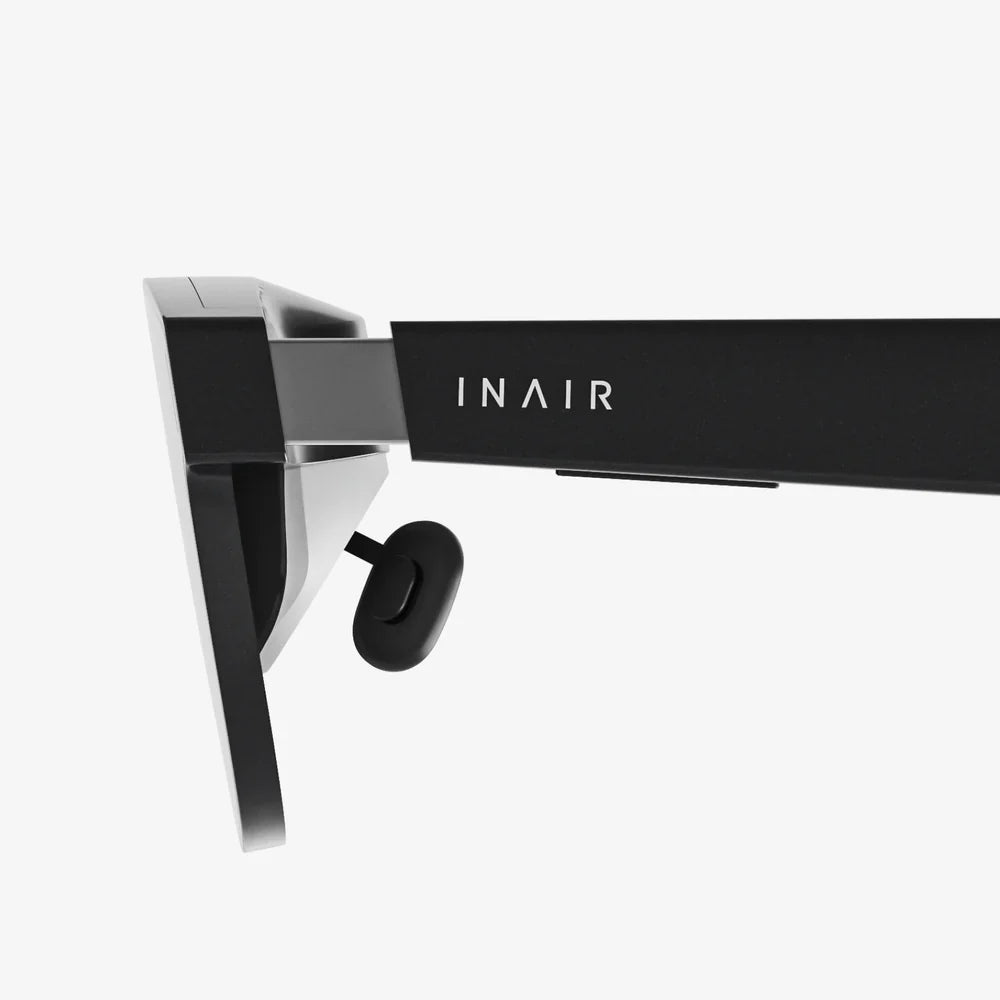
The dream of slipping on a pair of sleek, powerful glasses and stepping into a blended reality of digital information and the physical world has captivated technophiles and science fiction fans for decades. For users entrenched in the Android ecosystem, the question isn't just about the technology itself, but specifically about Android XR glasses availability. The promise is immense: a seamless extension of your Android smartphone, a portal to immersive entertainment, and a revolutionary tool for productivity, all powered by the open and versatile Android platform. Yet, navigating the current market to find a pair feels less like a simple purchase and more like an expedition into a fragmented and rapidly evolving frontier. This guide cuts through the hype to deliver a clear-eyed view of what's actually available, who's building it, and what you can realistically expect to experience today.
Demystifying the Terminology: XR, AR, VR, and the Android Connection
Before diving into availability, it's crucial to understand the landscape. The term "XR" or Extended Reality is an umbrella that encompasses Virtual Reality (VR), Augmented Reality (AR), and Mixed Reality (MR).
- Virtual Reality (VR): Fully immersive, digital environments that block out the physical world. Typically experienced through fully enclosed headsets.
- Augmented Reality (AR): Digital elements overlaid onto the real world through a transparent lens. This is the primary technology for most glasses-style devices.
- Mixed Reality (MR): A more advanced form of AR where digital objects can interact with and be occluded by the physical environment.
When we discuss Android XR glasses availability, we're primarily talking about AR and MR glasses that run on a variant of the Android operating system or are designed to work as a companion display for an Android smartphone. This Android foundation is key, as it provides a familiar development environment for app creators and offers potential for deep integration with the billions of Android devices already in consumers' pockets.
The Current Market Landscape: A Tale of Three Tiers
The market for Android-compatible XR glasses is not a monolithic entity. Instead, it can be broken down into three distinct tiers, each with its own level of availability, target audience, and technological capabilities.
Tier 1: Consumer-Focused Companion Glasses (Readily Available)
This tier represents the most accessible and readily available segment of the market. These devices are not standalone computers; they function as external displays. They leverage the processing power, data connection, and app ecosystem of a connected Android smartphone.
Availability Status: These products are generally available for purchase directly from manufacturers' websites and select online retailers. They are marketed directly to consumers as media consumption devices, remote work tools, and portable gaming displays.
Key Characteristics:
- Design: Often resemble oversized sunglasses. Prioritize style and social acceptability over raw technical prowess.
- Display Technology: Typically use birdbath optics or similar waveguide solutions to project an image onto transparent lenses. The field of view is often limited compared to more advanced headsets.
- Interaction: Primarily through a touchpad on the glasses' temple or via the connected smartphone. Some support basic voice commands.
- Use Case: Watching videos, browsing the web, basic app usage, and limited screen mirroring for productivity.
For the average consumer curious about XR, this tier offers a low-risk entry point. The experience is more about a private, large-screen display than true contextual augmented reality, but it represents the most tangible and widespread example of Android XR glasses availability today.
Tier 2: Developer Kits and Enterprise Solutions (Limited Availability)
This tier is where the technology begins to mature towards true spatial computing. Devices here are more powerful, often featuring onboard processors running a native Android-based OS, advanced sensors for spatial tracking, and more sophisticated interaction methods like hand tracking.
Availability Status: This is where availability becomes restricted. Devices are often labeled as "Developer Kits" or "Enterprise Editions." They are not sold in consumer electronics stores. Access typically requires applying through a developer program or having a business use case. Purchases are often made directly through the manufacturer after an approval process.
Key Characteristics:
- Design: Function over form. They are bulkier, as they need to house batteries, processors, and a complex array of cameras and sensors.
- Display Technology: Higher-quality waveguides or free-form optics offering a brighter, wider field of view. Often include features like digital dimming for better contrast in bright environments.
- Interaction: Advanced 6DoF (Six Degrees of Freedom) tracking, allowing the device to understand its position in space. Support for hand tracking, 3Dof controllers, and voice.
- Use Case: Application development, enterprise training, complex remote assistance, and industrial design. The goal is to build and test the software that will one day power consumer devices.
For developers and businesses, this tier is where the real magic is happening. While not meant for the public, the existence and ongoing refinement of these kits are the strongest indicator that a more robust consumer future is being built, piece by piece, on an Android foundation.
Tier 3: The Prototype and Concept Frontier (Unavailable)
This tier is populated by the dazzling concept videos and advanced research prototypes showcased at tech conferences. These devices promise the full sci-fi vision: sleek, socially acceptable glasses with photorealistic holograms, all-day battery life, and revolutionary displays.
Availability Status: Effectively zero. These are research projects and technology demonstrators, often years away from any feasible path to mass production. They serve to showcase a company's technological ambitions and drive hype but should not be mistaken for products with imminent Android XR glasses availability.
The Major Hurdles Limiting Widespread Availability
Understanding why a truly mainstream, standalone Android AR glasses product hasn't hit store shelves yet requires examining the significant technological and market challenges that manufacturers are still working to overcome.
The Technological Trinity: Processing Power, Battery Life, and Thermal Management
This is the fundamental paradox of XR glasses. Consumers want a device that is light, comfortable, and can last all day. However, generating high-resolution, low-latency AR graphics, processing data from multiple cameras for SLAM (Simultaneous Localization and Mapping), and running AI models for hand tracking requires immense computational power. This processing generates heat and consumes a large amount of energy.
Packing all this into a glasses form factor without creating a heavy, hot, and short-lived device is the single greatest engineering challenge. Current smartphone chipsets are powerful but not optimized for the thermal and power constraints of glasses. True availability waits for a breakthrough in chip design—likely a dedicated XR chipset that balances performance with extreme efficiency.
The Optical Dilemma: Field of View vs. Form Factor
A compelling AR experience requires a wide field of view (FOV) so digital objects feel present in your world, not confined to a small postage stamp. However, achieving a wide FOV with current waveguide technology often means making the lenses thicker, heavier, and the overall device more bulky. There are constant trade-offs between brightness, resolution, FOV, and size. Until a new optical technology (perhaps based on holography or metasurfaces) matures, consumers will have to choose between a sleek design with a limited view or a more immersive experience with a heavier device.
The Software Conundrum: Defining the "Killer App"
Hardware is only half the battle. For consumers to adopt any new technology, it must solve a problem or provide an experience that is meaningfully better than existing solutions. The "killer app" for AR glasses remains elusive.
Is it navigation? Your phone already does that. Is it watching movies? Companion glasses already offer this. Is it remote collaboration? This is powerful but currently an enterprise-focused application. The Android ecosystem thrives on a vibrant app store, but developers need a clear and large enough user base to justify building sophisticated AR apps. This creates a chicken-and-egg problem: consumers wait for great apps, and developers wait for a large consumer base. Widespread availability depends on breaking this cycle.
The Future of Android XR Glasses Availability
Despite the challenges, the trajectory is clear. The current state of Android XR glasses availability is a prelude to a much more significant shift.
The Roadmap to Mainstream Adoption
The path forward will likely be evolutionary, not revolutionary. We can expect:
- Refinement of Companion Glasses: The consumer-tier devices will become lighter, offer better displays, and improve battery life, slowly normalizing the concept of wearing glasses for digital interaction.
- The Rise of Hybrid Processing: Future devices will smarterly split computational tasks between a dedicated, efficient chip in the glasses and a connected Android phone, leveraging the best of both to overcome thermal and power limits.
- Android OS Integration: Google is deeply invested in this future. We can expect future versions of Android to have native support for XR glasses, treating them not as an accessory but as a first-class citizen in the ecosystem, with seamless pairing, notification forwarding, and intuitive controls.
- The Enterprise Lead: As with many technologies, enterprise and industrial applications will continue to be the testing ground that refines the hardware and software, eventually trickling down to consumer products.
What to Look For in the Coming Years
When evaluating future announcements and products, look for these key indicators of progress:
- Dedicated XR Chipsets: Announcements from major silicon vendors about chips designed from the ground up for AR/VR will be a watershed moment.
- Partnerships: Collaborations between tech giants, optical companies, and smartphone manufacturers signal a serious commitment to solving these problems at scale.
- Android Updates: Keynotes from Google that highlight deep, system-level AR features are a strong sign of the platform's direction.
The journey to find the perfect pair of Android XR glasses today may feel like searching for a mythical artifact, but the map is being drawn in real-time. The pieces are all there: the vibrant Android ecosystem, relentless hardware innovation, and a growing understanding of what spatial computing can achieve. While the current availability is a patchwork of developer kits and consumer curiosities, it represents the crucial, foundational work for a future where digital augmentation is as commonplace and indispensable as the smartphone in your hand. The wait won't be forever, and the first glimpses of that future are already here, waiting for the right moment to step into the light and onto the faces of millions.
Share:
Augmented Reality AR Services Are Reshaping Our World
Best Tools for Augmented Reality: A Developer's Guide to Building the Future