


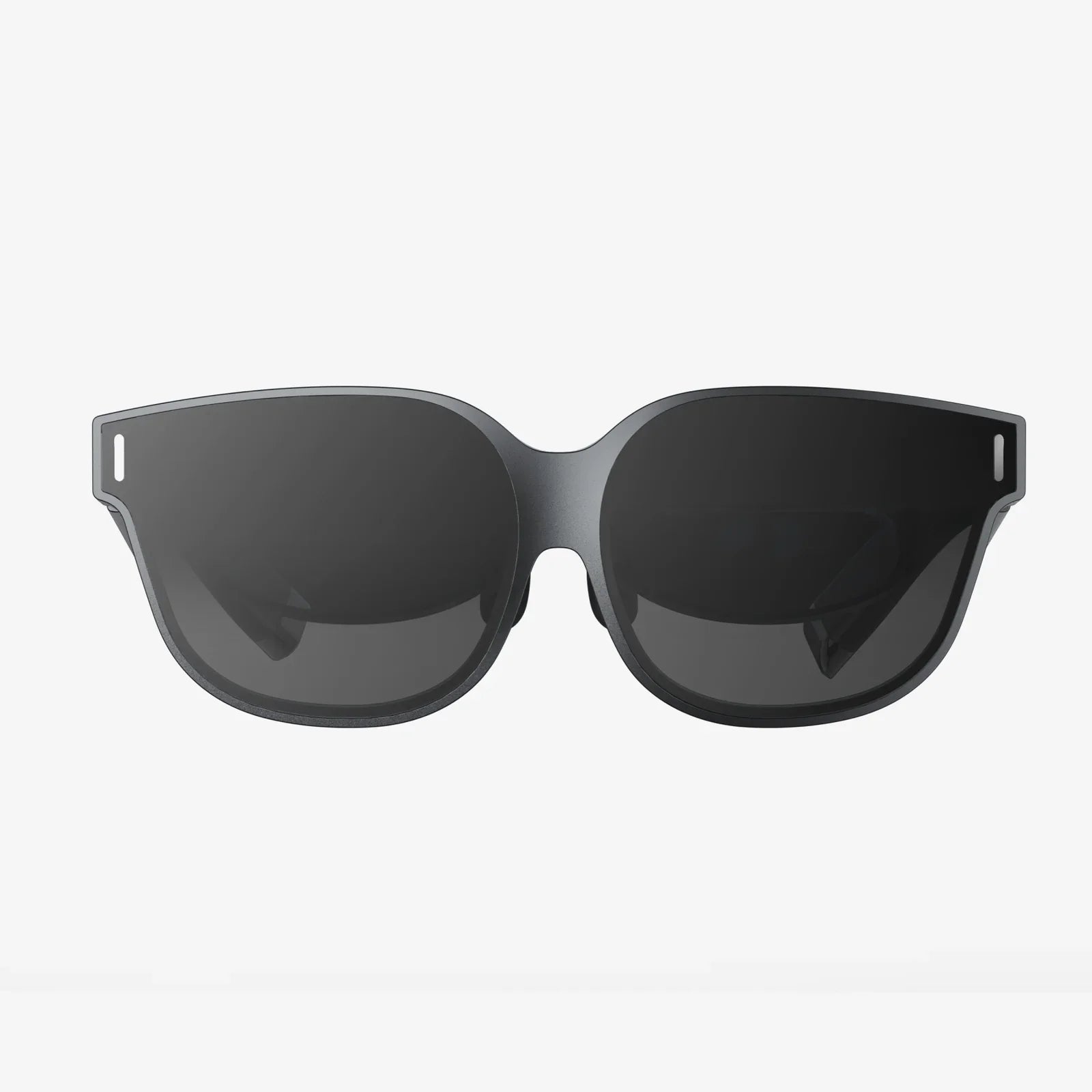
Imagine stepping into a sprawling digital landscape, where holographic data floats effortlessly beside physical objects and interactive tutorials materialize right before your eyes, all without the awkward hassle of fitting your glasses over a bulky headset. This is the promise of Android XR glasses prescription technology—a fusion of cutting-edge augmented reality and personalized vision correction that is poised to shatter the final barrier to immersive computing: clarity. For the billions who rely on corrective lenses, this isn't just an upgrade; it's an invitation to a world previously out of focus, a revolution in how we will see and interact with the digital layer of our reality.
The Convergence of Sight and Technology
For decades, the experience of wearing headsets and glasses has been a compromise for those with less-than-perfect vision. The solutions were often clumsy: squeezing your frames inside the device, resulting in pressure points and a limited field of view, or using cumbersome prescription inserts that felt like an afterthought. This friction created a significant accessibility gap, limiting the adoption and enjoyment of immersive technologies for a vast portion of the population. The advent of Android XR glasses prescription integration marks a fundamental shift. It moves vision correction from being a peripheral accessory to a core, integrated component of the hardware design. This philosophy recognizes that for extended reality (XR) to become a truly ubiquitous platform, it must adapt seamlessly to the user, not the other way around. By building the prescription directly into the optical stack, manufacturers are ensuring that the digital world is as sharp, comfortable, and natural to perceive as the physical one.
Demystifying the Technology: How Prescription Lenses Integrate
At the heart of any XR glasses are the optical systems that project digital images onto your retina. These typically involve micro-displays, waveguides, and various lenses. The challenge is inserting a corrective lens into this complex pathway without distorting the virtual imagery or the view of the real world.
1. The Optical Path
Android XR glasses function by projecting light from tiny displays into a series of lenses and often through a transparent waveguide that sits in front of the eye. This waveguide then directs the light toward your pupil, painting the digital image over your view of the real world. A prescription lens must be precisely placed within this path to alter the light's focus specifically for your unique vision needs—be it nearsightedness, farsightedness, or astigmatism.
2. Customization Methods
There are primarily two approaches to achieving this integration, each with its own advantages:
- Magnetic Inserts: This is a highly popular and user-friendly system. The primary XR glasses come with a neutral optical plane. Users can then obtain custom prescription lenses, crafted to their exact specifications, which attach securely to the main unit via tiny, powerful magnets. This allows for easy swapping if prescriptions change or if multiple users wish to share the device.
- Bonded Permanent Lenses: In this method, the prescription lenses are permanently bonded to the waveguide or the internal optical assembly during manufacturing. This creates a sleeker, more integrated profile and ensures perfect optical alignment. It is often the choice for higher-end, personalized devices intended for a single user.
3. The Role of Android
The Android operating system is a pivotal enabler of this customization. Its open and flexible nature allows manufacturers to develop software that seamlessly communicates with the hardware. An accompanying mobile application can guide the user through entering their prescription details, which are then securely sent to a partnered optical lab. Furthermore, the Android platform can host calibration software, allowing for micro-adjustments to the digital imagery to account for the specific properties of the inserted prescription lenses, ensuring perfect alignment between the virtual and real-world views.
The User Journey: From Eye Exam to Immersive Experience
Acquiring your personalized Android XR glasses is a process designed for clarity and convenience.
- Obtain a Valid Prescription: The first and most crucial step is to have a recent eye exam conducted by a licensed optometrist or ophthalmologist. Your prescription will include key values like Sphere (SPH), Cylinder (CYL), Axis, and Pupillary Distance (PD). Accuracy here is non-negotiable for comfort and visual acuity.
- Select Your Device: Choose an Android-compatible XR glasses model that supports prescription integration, paying close attention to the supported prescription range (e.g., the maximum strength for astigmatism correction).
- Enter Your Details: Using the manufacturer's official app or website, you will be prompted to input your prescription values. The interface is typically designed to be intuitive, often mimicking the layout of a standard prescription sheet.
- Lens Creation and Delivery: Your prescription data is transmitted to a specialized optical lab. Technicians use precision machinery to grind and coat lenses to your exact specifications. These are then mounted into the chosen frame (magnetic or otherwise) and shipped directly to you.
- Snap In and See: Upon arrival, the process is complete. You simply attach the magnetic insert or unpack your permanently bonded glasses, put them on, and experience a perfectly clear blend of reality and digital augmentation.
Beyond 20/20: The Multifaceted Benefits
The advantages of integrated prescription solutions extend far beyond simple visual sharpness.
- Unmatched Comfort and Ergonomics: Eliminating the need to wear glasses underneath the headset is a game-changer. It reduces weight, pressure on the nose and temples, and prevents the overheating that can occur with two layered devices. This comfort is essential for prolonged use in professional or entertainment settings.
- Optimal Visual Fidelity and Field of View: Because the lenses are engineered as part of the system, they do not crop the display like wearing external glasses often does. Users enjoy the full, intended field of view with no vignetting or edge distortion, and the virtual images are rendered with pinpoint accuracy.
- Enhanced Safety and Awareness: For applications like navigation or technical repair, where digital instructions are overlaid onto the real world, perfect visual alignment is critical. Misaligned visuals due to improper lens placement could lead to errors. Integrated prescriptions ensure the holographic arrow points exactly to the right pipe or the next turn in the road.
- Accessibility as a Standard: This technology democratizes XR. It makes powerful tools for education, remote assistance, and entertainment accessible to a much wider audience, firmly establishing inclusive design as a cornerstone of the industry's future.
Navigating Considerations and The Road Ahead
While the technology is transformative, users should be aware of certain factors. The initial process requires a valid prescription and a short waiting period for lens creation. There is also an additional cost involved, though many find it a worthwhile investment for daily comfort. Furthermore, if your prescription changes, you will need to obtain new inserts. Looking forward, the technology is rapidly evolving. We are moving towards active focal planes and varifocal displays that can dynamically adjust their focus to match where the user is looking, potentially mimicking the eye's natural ability to shift between near and far objects. Deeper still lies the frontier of light field technology, which aims to project rays of light that mimic how light behaves in the real world, potentially rendering the need for static prescription lenses obsolete for some users. The Android ecosystem, with its massive developer community and hardware partners, is the perfect incubator for these innovations, ensuring that personalized vision remains at the forefront of the XR revolution.
The seamless marriage of precise vision correction with immersive digital overlays is no longer a futuristic concept—it's a tangible reality that redefines accessibility and comfort. Android XR glasses prescription technology is quietly dismantling the final barrier to widespread adoption, offering a crystal-clear portal into a world where our digital and physical realities are not just connected, but perfectly aligned for every individual user. The future of computing is not just something you will use; it's something you will see, with perfect clarity, exactly as you were meant to.
Share:
What is a Characteristic of Augmented Reality - The Digital Overlay on Reality
AR VR Goggles: The Ultimate Portal to Blended Realities and Immersive Futures