


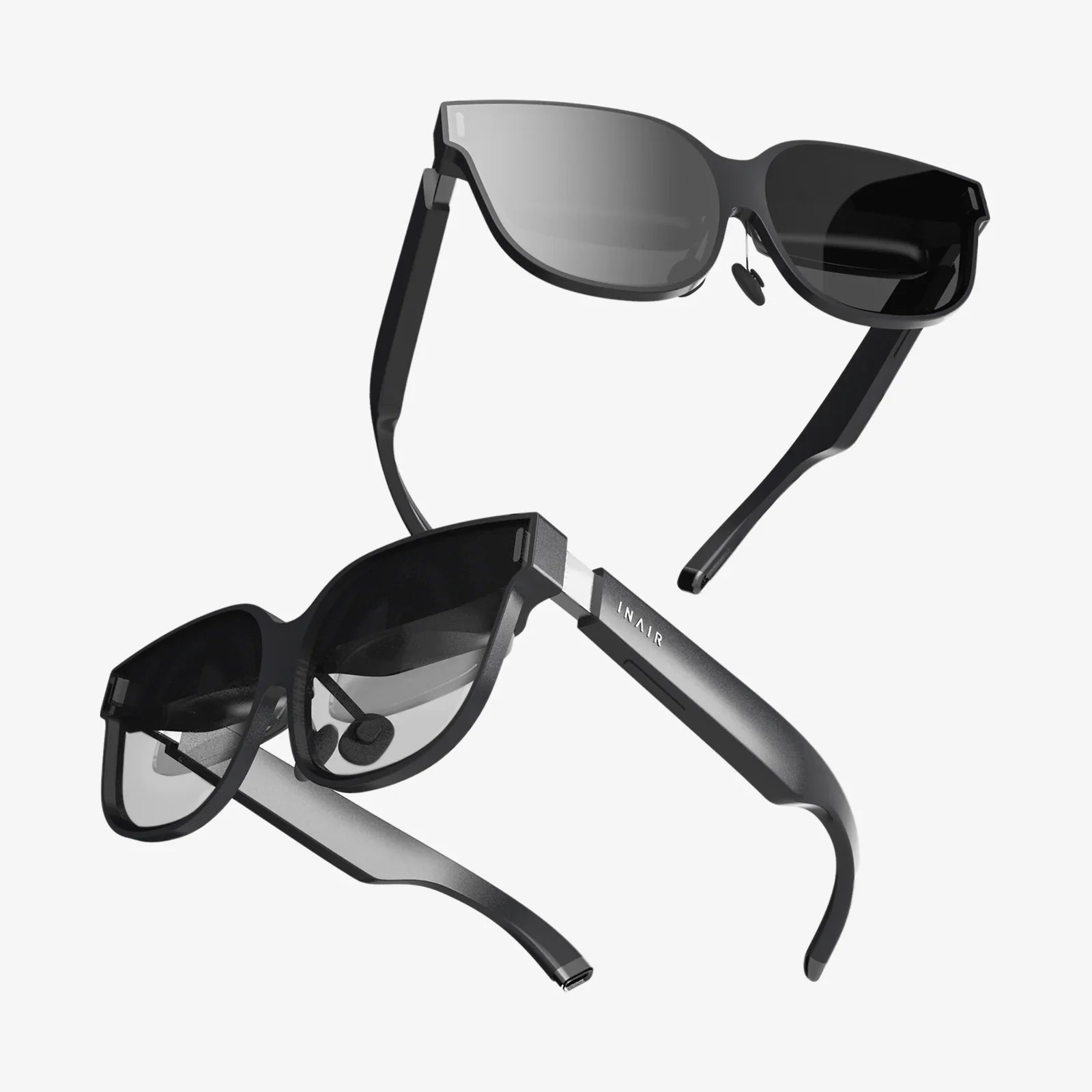
Imagine holding a portal to another dimension in the palm of your hand, a device capable of overlaying digital ghosts onto our physical reality or transporting your consciousness to a virtual concert on the other side of the globe. This is the promise of Android XR, a catch-all term for the immersive technologies of Augmented Reality (AR) and Virtual Reality (VR) powered by the world's most popular mobile operating system. But before you can step into these new worlds, a pressing, earthly concern brings you back to reality: the Android XR price. The cost of entry isn't a single number; it's a vast and complex spectrum, a puzzle where performance, features, and future-proofing all demand a piece of your budget. Unraveling this puzzle is the first step on your journey into the metaverse.
Deconstructing the Android XR Ecosystem: More Than Just a Headset
To truly understand the Android XR price landscape, we must first move beyond the simplistic view of a headset as a single product. The cost is often layered, involving the core hardware and its supporting cast.
The Standalone Headset: An All-in-One Universe
This category represents the most straightforward Android XR price proposition. These are self-contained units, with a built-in display, processors, sensors, and battery, all running on a forked or dedicated version of Android. They offer unparalleled freedom of movement, untethered from a computer or console. The price here is a direct reflection of the internal technology. You're paying for the quality of the OLED or LCD screens (their resolution, refresh rate, and pixel density), the power of the mobile chipset, the sophistication of the inside-out tracking cameras, and the overall design and comfort. This is the most popular and accessible entry point for consumers, with prices ranging from surprisingly affordable to highly premium.
The Smartphone-Dependent Viewer: The Power in Your Pocket
This model, once the dominant force in mobile VR, leverages the smartphone you already own. The headset itself is essentially a sophisticated holder with lenses, while the phone provides the screen, processing power, and sensors. The Android XR price for this setup is deceptively low; you only see the cost of the viewer, which can be very inexpensive. However, the true cost is hidden: it requires a mid-to-high-end smartphone capable of handling XR workloads. If you don't already own one, the combined cost of a new phone and the viewer can quickly eclipse that of a mid-range standalone headset. This category has diminished but still exists for specific, often budget-conscious, use cases.
The Necessary Extras: The Hidden Line Items
Beyond the headset itself, the final Android XR price can be influenced by accessories. These are rarely mandatory but often essential for a better experience.
- Controllers: While most standalone kits include them, higher-end or replacement motion controllers can add to the cost.
- Strap Upgrades: The default fabric strap on many devices is often a compromise for comfort. Upgrading to a rigid, halo-style or battery-elite strap significantly improves comfort for extended sessions but adds a notable premium.
- Link Cables: For headsets that support it, a high-quality, fiber-optic link cable to tether to a gaming PC for enhanced experiences is a costly yet vital accessory for enthusiasts.
- Lens Inserts: For the millions who wear glasses, prescription lens inserts are not an accessory but a necessity for clarity and comfort, adding a custom cost to the setup.
- Software and Games: Unlike mobile apps, high-quality XR titles often carry a premium price tag, similar to console games. This ongoing software cost must be factored into the total investment.
The Key Factors Dictating Your Android XR Price
Why does one headset cost a few hundred dollars while another commands over a thousand? The answer lies in the engineering and components inside. Here’s what your money is buying.
Display Technology: The Window to Another World
This is arguably the most critical component and a massive driver of the Android XR price. The goal is to trick the brain into perceiving a digital image as real, and this requires incredible screen technology. Key considerations include:
- Resolution and PPI (Pixels Per Inch): Higher resolution screens reduce the "screen-door effect" (seeing the gaps between pixels), making the virtual world appear sharp and solid. Quad-XR and beyond resolutions are now the target for high-end devices.
- Refresh Rate: Measured in Hertz (Hz), a higher refresh rate (90Hz, 120Hz, and now even 144Hz) leads to smoother motion, drastically reducing latency and the potential for motion sickness. This requires more powerful processors, adding to the cost.
- Panel Type: Fast-switch LCDs are more common and affordable, but OLED and newer Micro-OLED panels offer perfect blacks, superior contrast, and faster response times, commanding a significant premium.
- Pancake Lenses: A revolutionary optical technology that uses folded light paths to create a much slimmer headset profile. They are more complex and expensive to manufacture than traditional Fresnel lenses but offer a clearer image with a larger "sweet spot."
Processing Power: The Brain of the Operation
The heart of any standalone Android XR device is a System-on-a-Chip (SoC), similar to those in high-end smartphones. These chipsets, often from Qualcomm's Snapdragon XR lineage, are engineered specifically for the immense demands of spatial computing. They must render two high-resolution displays at high frame rates, simultaneously process data from a multitude of cameras and sensors for tracking, and handle complex computer vision algorithms for hand-tracking and passthrough AR. A more powerful, newer generation chipset (like the XR2 Gen 2 vs. the original XR2) directly translates to a higher Android XR price, but it also delivers a dramatically better, more immersive, and comfortable experience.
Tracking and Cameras: Mapping Your Reality
Modern standalone headsets use "inside-out tracking," meaning they use onboard cameras to map your environment and track your movement within it. The number, type, and quality of these sensors are a major cost factor.
- SLAM (Simultaneous Localization and Mapping): The core technology that allows the device to understand its position in space. More advanced algorithms and sensor suites improve accuracy.
- Color Passthrough Cameras: For mixed reality experiences, high-resolution RGB cameras are required to digitally reconstruct your surroundings in real-time. The quality of this video feed is paramount for convincing AR and varies greatly between budget and premium headsets.
- Depth Sensors: Some premium headsets include dedicated depth sensors (like time-of-flight sensors) to precisely map the geometry of a room, leading to more realistic occlusion (digital objects being hidden behind real-world furniture) and interaction. This is a high-end feature that adds cost.
Design, Materials, and Comfort
A headset is a wearable device, and its ergonomics are not a luxury but a necessity. A device that is uncomfortable becomes a device that is not used. Investment in premium materials (leather, rigid polymers, metal adjustments), balanced weight distribution, advanced cooling systems, and adjustable interfaces all contribute to the manufacturing cost and, consequently, the final Android XR price. A cheap headset might feel like a plastic box strapped to your face, while a premium one disappears, allowing you to forget the technology and focus on the experience.
Navigating the Android XR Price Tiers: From Entry-Level to Cutting-Edge
The market can be broadly segmented into three distinct tiers, each with its own value proposition and target audience.
The Budget-Conscious Tier (Approximately $200 - $400)
This tier is focused on accessibility and introducing users to VR. The Android XR price here is kept low by using last-generation processors (e.g., the original Snapdragon XR2), lower-resolution LCD displays with standard refresh rates (90Hz), and simpler Fresnel lenses. Build materials are often lighter on metal and heavier on plastic. These devices excel at media consumption, casual gaming, and introductory experiences. They represent incredible value for first-time users but will show their limitations in graphical fidelity, comfort, and mixed reality capabilities. They are the perfect "dip your toes in the water" option.
The Mainstream and Enthusiast Tier (Approximately $400 - $800)
This is the fiercely competitive sweet spot, offering the best balance of performance and Android XR price. Here you find current-generation chipsets (e.g., Snapdragon XR2 Gen 2), much higher-resolution displays with faster refresh rates (120Hz), and the widespread adoption of pancake lenses for a sharper image and slimmer design. Build quality is significantly improved, and features like high-resolution color passthrough for competent MR are standard. This tier delivers a premium experience that satisfies most gamers and enthusiasts without venturing into the ultra-high-end cost territory. It's the recommended starting point for those serious about the technology.
The Premium and Professional Tier ($800 and Above)
At this apex, the Android XR price is a reflection of bleeding-edge technology and specialized professional features. We're talking about micro-OLED displays with stunning clarity and contrast, the most powerful available processors, advanced features like eye-tracking and face-tracking, and superior industrial design with the best materials and comfort systems. These headsets often blur the line between consumer and professional use, catering to developers, enterprise training, architectural visualization, and hardcore enthusiasts who demand the absolute best visual fidelity and feature set, regardless of cost.
The Future of Android XR Price: A Trajectory of Value
Like all technology, the cost dynamics of Android XR are not static. We are on a predictable trajectory where the capabilities of yesterday's premium tier trickle down into today's budget tier. The innovation happening at the high end—faster chipsets, better displays, slimmer lenses—will inevitably become more affordable to produce over time. Furthermore, as the market expands and competition intensifies, manufacturers will be forced to pack more features into lower price points to attract consumers. The goal is to reach a critical mass where a powerful, comfortable, and versatile XR headset has an Android XR price comparable to a premium smartphone, transforming it from a niche gadget into a mainstream computing platform.
Your journey into spatial computing doesn't have to begin with a massive investment. The vibrant and diverse Android XR ecosystem offers a gateway at nearly every price point. By looking beyond the sticker price and understanding the technology and value within each tier, you can find the perfect device to unlock these new realities. The true cost isn't just in the dollars spent, but in the experiences gained—and those are, quite literally, priceless.
Share:
Good Cheap VR Headset: Your Ultimate Guide to Affordable Virtual Reality
XR AR Headset News Today: The Future of Reality is Being Written Now