


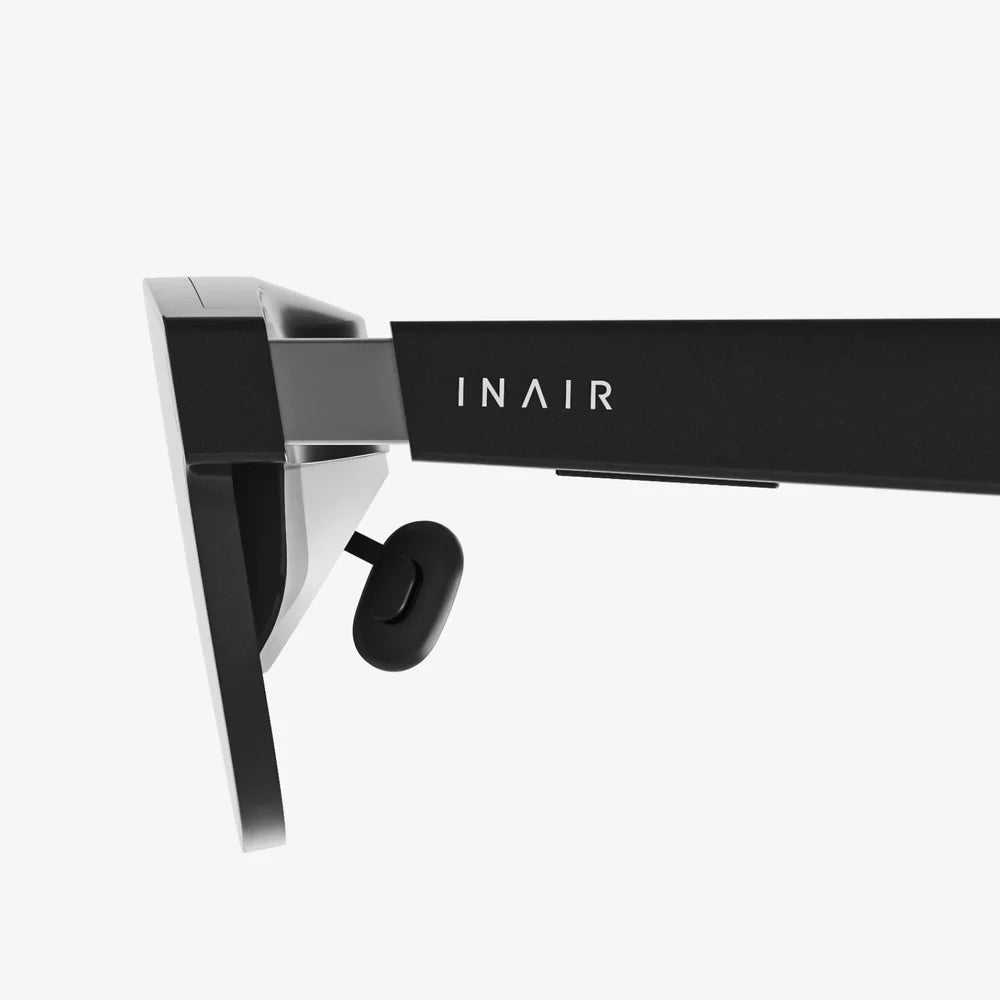
- by wangfred
Android XR VR: The Ultimate Guide to the Blended Reality Ecosystem
- by wangfred
Imagine a world where the line between your physical surroundings and a limitless digital universe isn't just blurred—it's erased. A world where you can learn complex surgery by practicing on a holographic heart, collaborate with colleagues across the globe as if they were in your living room, or explore ancient ruins that have been digitally resurrected around you. This isn't a distant sci-fi fantasy; it's the tangible future being built today at the powerful intersection of Android, Extended Reality (XR), and Virtual Reality (VR). This convergence represents one of the most significant technological shifts of our time, promising to redefine how we work, play, connect, and perceive reality itself. The journey into this immersive realm starts with understanding the synergy of these three powerful forces.
Before diving into the synergy, it's crucial to define the key players. These terms are often used interchangeably, but they represent distinct concepts on the spectrum of immersive technology.
In this context, Android is far more than just a mobile operating system for smartphones and tablets. It is an open-source software platform, a robust ecosystem, and a development environment maintained by a global community. Its core strengths—its flexibility, scalability, and massive developer base—make it an ideal foundation for building complex XR experiences. Manufacturers can adapt the open-source code to power a wide range of devices, from high-end standalone headsets to more accessible mobile-based solutions, all while leveraging a familiar development toolkit.
XR is the umbrella term that encompasses all combined real-and-virtual environments. It's the spectrum upon which the following technologies reside:
XR, therefore, is the entire field dedicated to merging the physical and digital worlds.
VR is the most immersive end of the XR spectrum. It is a simulated experience that employs pose tracking and 3D near-eye displays to create the sensation of being physically present in a non-physical world. The primary goal of VR is to create a convincing illusion of presence—the feeling that you are actually "there" in the virtual environment. This is achieved through a combination of high-resolution displays, wide fields of view, precise head and motion tracking, and spatial audio.
The fusion of Android with XR and VR is not a coincidence; it's a strategic alignment of strengths that creates a powerful and scalable platform for immersive computing.
Building an operating system for immersive devices from scratch is a monumental task. By leveraging Android, headset manufacturers gain immediate access to a mature, stable, and secure kernel. They inherit proven features like power management, security protocols, and hardware driver support, allowing them to focus their engineering resources on the unique challenges of XR, such as low-latency tracking and sensor fusion, rather than reinventing the core OS wheel.
Android's open-source nature fosters innovation and competition. It allows a diverse range of companies to enter the market, creating devices at various price points and for various use cases—from consumer entertainment to enterprise training. This openness prevents a walled-garden approach, encouraging a broader and more innovative hardware landscape than a closed, proprietary system could ever allow.
This is perhaps the most significant advantage. The global Android developer community is immense. By building XR/VR platforms on Android, manufacturers instantly tap into this vast talent pool. Developers already familiar with Java, Kotlin, and the Android SDK can relatively easily transition to building immersive applications. Furthermore, powerful game engines like Unity and Unreal Engine offer robust support for Android-based VR development, complete with tools for optimizing 3D graphics and managing the intense performance requirements of VR.
Many early and current VR experiences are powered by smartphones slotted into headsets. Android, as the world's dominant mobile OS, is perfectly positioned for this. Even for standalone headsets that don't use a phone, the DNA of mobile computing—efficiency, connectivity, and touch-based (or controller-based) interaction—is deeply ingrained in Android, making for a familiar user experience.
An Android XR VR device is a marvel of modern engineering, combining sophisticated hardware with intelligent software.
The quality of the display is paramount. Modern headsets use fast-switching LCD or OLED panels with very high resolutions to minimize the "screen door effect" (the visible lines between pixels). These displays are paired with complex lens systems that focus the image correctly for your eyes, providing a wide field of view to enhance immersion. A key challenge is achieving a high refresh rate (90Hz and above) to ensure smooth motion and prevent simulator sickness.
Precise tracking is what sells the illusion of reality. This is achieved through a combination of technologies:
Rendering two high-resolution displays at high frame rates is incredibly demanding. Android-based XR devices require powerful, mobile-optimized processors with advanced graphics capabilities. This immense processing power generates significant heat, making sophisticated cooling systems—often using fans or heat pipes—essential for user comfort and sustained performance during extended sessions.
While gaming is a flagship application, the potential of this technology extends far into practical and professional fields.
Industries are adopting VR for training simulations that are too dangerous, expensive, or logistically challenging to conduct in the real world. Surgeons can practice intricate procedures, mechanics can learn to repair complex machinery, and firefighters can train for dangerous scenarios—all in a risk-free, repeatable virtual environment. The scalability of Android makes these solutions more accessible to businesses of all sizes.
XR is evolving into a platform for the "spatial web" or "metaverse," where social interactions happen in shared virtual spaces. Android's infrastructure enables the development of social VR platforms where avatars can gather for meetings, concerts, or simply to hang out, overcoming geographical barriers with a sense of physical presence that video calls cannot match.
Imagine history students taking a virtual field trip to ancient Rome or medical students exploring a detailed, interactive 3D model of the human body. In healthcare, VR is already being used for exposure therapy to treat phobias and PTSD, for physical rehabilitation through gamified exercises, and for pain distraction during painful medical procedures.
Despite the exciting progress, several significant hurdles remain before Android XR VR becomes a mainstream technology.
The trajectory of this technology points towards a more seamless and integrated future. We can anticipate the rise of increasingly sophisticated standalone headsets that are lighter, more powerful, and more comfortable. The integration of Artificial Intelligence (AI) will be crucial, enabling features like foveated rendering (which prioritizes rendering detail only where the user is looking to save processing power) and more intelligent environmental understanding. Furthermore, the boundaries between AR and VR will continue to dissolve, giving rise to true all-day wearable devices that can switch between a transparent AR mode and an immersive VR mode, all powered by the versatile and ever-evolving Android platform.
The fusion of Android, XR, and VR is more than a technical specification; it's the foundation for the next major computing platform. It's a gateway to experiences that will enhance human capability, reshape industries, and redefine the very nature of communication and storytelling. The devices may still be evolving, the applications still emerging, but the direction is clear. The door to these blended realities is now open, and it's powered by the familiar, open, and incredibly adaptable heart of Android, inviting us all to step through and experience what's on the other side.
Share:
VR Headset Connect to TV: The Ultimate Guide to Sharing Your Virtual World
France Extended Reality Market: A Comprehensive Analysis of Growth, Trends, and Future Potential