


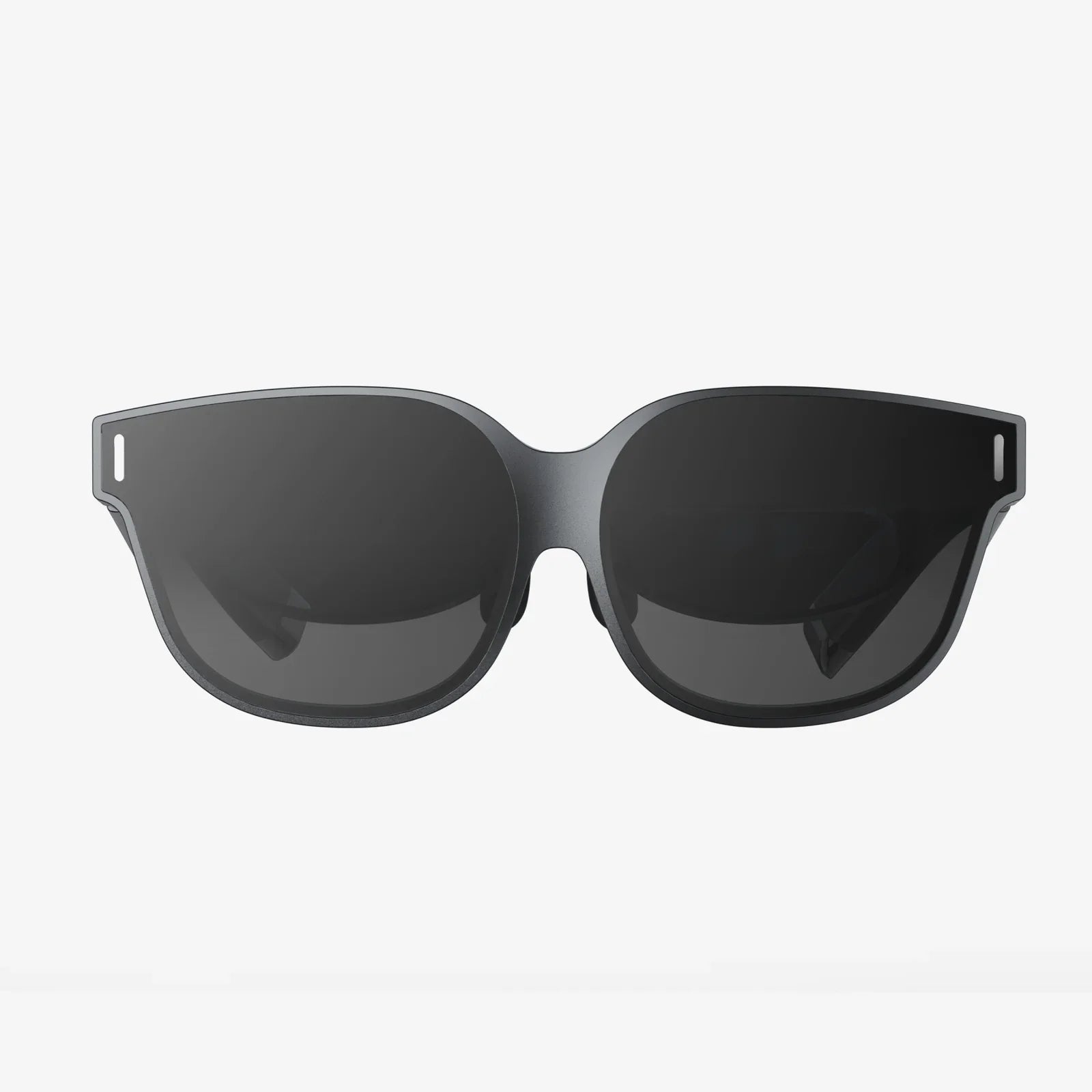
Imagine a device so advanced it dissolves the boundary between the digital and the physical, a portal to experiences limited only by imagination. This is the promise, the tantalizing potential, swirling around the long-rumored, highly anticipated entry of a tech giant into the realm of high-fidelity virtual and augmented reality. The mere whisper of its development has sent ripples through the industry, promising not just another gadget, but a fundamental shift in how we interact with technology, information, and each other. The world is watching, waiting to see if this will be the device that finally brings the future into the present.
The Genesis of a New Platform
The journey toward this moment has been decades in the making. While other companies have released various iterations of virtual and augmented reality hardware, the approach from this particular innovator has always been different: observe, refine, and enter a market only when the technology can be reimagined to deliver a seamless, powerful, and intuitive user experience. This philosophy of patience and perfection has defined their most successful products, from revolutionizing the music player to redefining the smartphone. The foray into wearable technology with smartwatches and wireless audio further cemented an ecosystem where devices work in harmony. The development of a spatial computer is the next logical, yet monumental, step in this evolution. It represents the convergence of countless research and development projects in displays, sensors, chipsets, and software, all culminating in a single, cohesive platform designed to unlock new dimensions of creativity, productivity, and connection.
Beyond the Screen: The Core Technology
At the heart of this ambitious device lies a suite of cutting-edge technologies engineered to create an unprecedented level of immersion. Unlike conventional VR headsets that often feel like bulky helmets, the design philosophy is believed to prioritize a sleek, lightweight form factor using advanced materials, making extended use comfortable and, crucially, desirable.
A Visual Revolution
The display system is expected to be a landmark achievement. Reports suggest the use of ultra-high-resolution micro-OLED displays, packing more pixels per inch than any consumer display before it. This incredible pixel density is essential for achieving "retina" quality in VR, eliminating the screen-door effect and creating visuals that are sharp, vibrant, and indistinguishable from reality. Furthermore, the implementation of sophisticated pancake lenses allows for a much slimmer profile while maintaining a wide field of view and crystal-clear focus across the entire visual field.
The Power Within
Driving this visual feast and the complex spatial calculations required for convincing AR and VR will demand immense processing power. It is anticipated that the device will feature not one, but two dedicated processors: a main SoC (System on a Chip) rivaling the performance of modern desktop computers and a secondary chip dedicated solely to managing the array of sensors in real-time. This bifurcation ensures that the immersive experience remains smooth and responsive, handling tasks like high-fidelity rendering, spatial mapping, and gesture recognition without a hint of latency, which is the enemy of presence and comfort.
Seeing and Understanding the World
To seamlessly blend the digital with the real, the headset will need to be equipped with a sophisticated array of cameras and sensors. A LiDAR (Light Detection and Ranging) scanner, similar to that found on recent high-end mobile devices but significantly more advanced, will be crucial for depth sensing and creating a detailed 3D map of the user's environment in real-time. This allows digital objects to occlude and be occluded by physical furniture, interact with real-world surfaces, and remain locked in place. Multiple high-speed cameras will track hand movements and gestures with precision, potentially eliminating the need for traditional controllers and enabling intuitive, natural interaction. Eye-tracking technology will not only enable foveated rendering—dynamically allocating processing power to where the user is looking to drastically improve efficiency—but also open up new UI paradigms and accessibility features.
The Operating System for Reality
Hardware is only half the story. The true magic will be unlocked by the software, a new operating system built from the ground up for spatial computing. Dubbed by some reports as "xrOS," this platform will serve as the foundation for all experiences. We can expect a familiar yet transformed interface—floating windows displaying apps from the existing ecosystem, web browsers, and media players, all manipulable in three-dimensional space. The home screen may no longer be a static grid of icons but a dynamic environment that can be curated and expanded. This OS will manage the complex dance between VR and AR, allowing users to fluidly transition from a fully immersive virtual world to an augmented reality workspace overlayed on their physical desk. The emphasis will be on continuity, ensuring a user can start a task on their phone, continue it on their laptop, and finalize it within the immersive environment of the headset.
A Universe of Experiences: Use Cases and Applications
The potential applications for a device of this caliber stretch across every facet of modern life. It is not merely a gaming peripheral; it is a platform for transformation.
Redefining Professional Work
Imagine architects walking clients through a full-scale, interactive 3D model of a building before a single brick is laid. Surgeons practicing complex procedures on detailed holographic anatomies. Engineers collaborating on a virtual prototype of a car engine from different sides of the globe. For remote work, video calls could evolve into shared virtual spaces where participants feel as though they are sitting around the same table, with whiteboards, documents, and 3D models appearing as shared physical objects. This has the potential to dissolve the limitations of geography and create a new paradigm for collaboration and design.
The Ultimate Entertainment Portal
Entertainment will be revolutionized. Cinematic experiences will no longer be confined to a rectangle on a wall; users could be transported into the movie, sitting in a virtual theater or even within the scene itself. Sporting events could offer a ringside seat or a driver's-seat perspective. Gaming will evolve into truly immersive worlds where the line between player and character blurs. The concept of a "living room" could be redefined, with any environment—a beach, a mountaintop, a space station—becoming your personal theater or playground.
New Frontiers in Connection and Education
Social interaction could take on a profound new dimension. Instead of flat video tiles, meetings with friends and family could occur in photorealistic avatars within meaningful virtual spaces, preserving the nuance of body language and shared presence. Education could become experiential: history students could witness historical events unfold around them, biology students could journey through a human cell, and astronomy students could navigate the solar system. The potential for empathy-building experiences and immersive learning is staggering.
Navigating the Challenges
Despite the immense promise, the path to mainstream adoption is fraught with significant challenges. The first is cost. The advanced technology packed into this device will undoubtedly command a premium price, positioning it initially as a professional tool and a luxury item for early adopters. This high barrier to entry could slow the growth of the developer ecosystem initially. Secondly, the question of social acceptance remains. Will people be comfortable wearing a headset in social or professional settings? The design and social narrative around the device will be as important as its technical specs. Finally, there are the perennial issues of VR: ensuring user comfort to prevent motion sickness, managing battery life for such a power-intensive device, and addressing privacy concerns related to the always-on cameras and sensors that map our personal spaces.
The Ripple Effect: Impact on the Industry
The entry of a player of this magnitude into the VR/AR market validates the entire sector and raises the bar for everyone. Competing hardware manufacturers will be forced to accelerate their own roadmaps and improve their offerings in terms of design, performance, and software integration. For developers, it represents a massive new platform with a loyal, engaged, and relatively affluent user base, incentivizing the creation of high-quality, innovative applications that were previously not economically viable. It will catalyze investment in the underlying technologies—displays, chips, sensors—driving innovation and reducing costs industry-wide. Ultimately, it could be the catalyst that moves spatial computing from a niche interest to a central pillar of the next technological era.
The Dawn of a New Reality
This is more than just a new product category; it is the seed of a platform shift. Just as the smartphone moved computing from the desk to the pocket, spatial computing aims to move it from the pocket into the world around us. The initial device, while revolutionary, is merely the first step. It will be followed by iterations that become lighter, more powerful, more affordable, and more integrated into our daily lives. We are standing at the precipice of a change as significant as the advent of the personal computer or the internet. It promises a future where our digital and physical lives are not separate realms to be toggled between, but a single, integrated existence enriched by technology that understands our environment and responds to our presence. The door to that future is about to open.
The buzz is no longer just speculation; it's the sound of an industry holding its breath. When this device finally steps into the light, it won't just be launching a product—it will be launching a manifesto for the next decade of technological interaction, challenging every user and every company to dream in a new dimension. The question is no longer if it will change everything, but how quickly we will adapt to the new world it creates.
Share:
Best VR Headset for iPhone 6: A Comprehensive Guide to Mobile Immersion
Best MR Headset: The Ultimate Guide to Merging Realities in 2024