


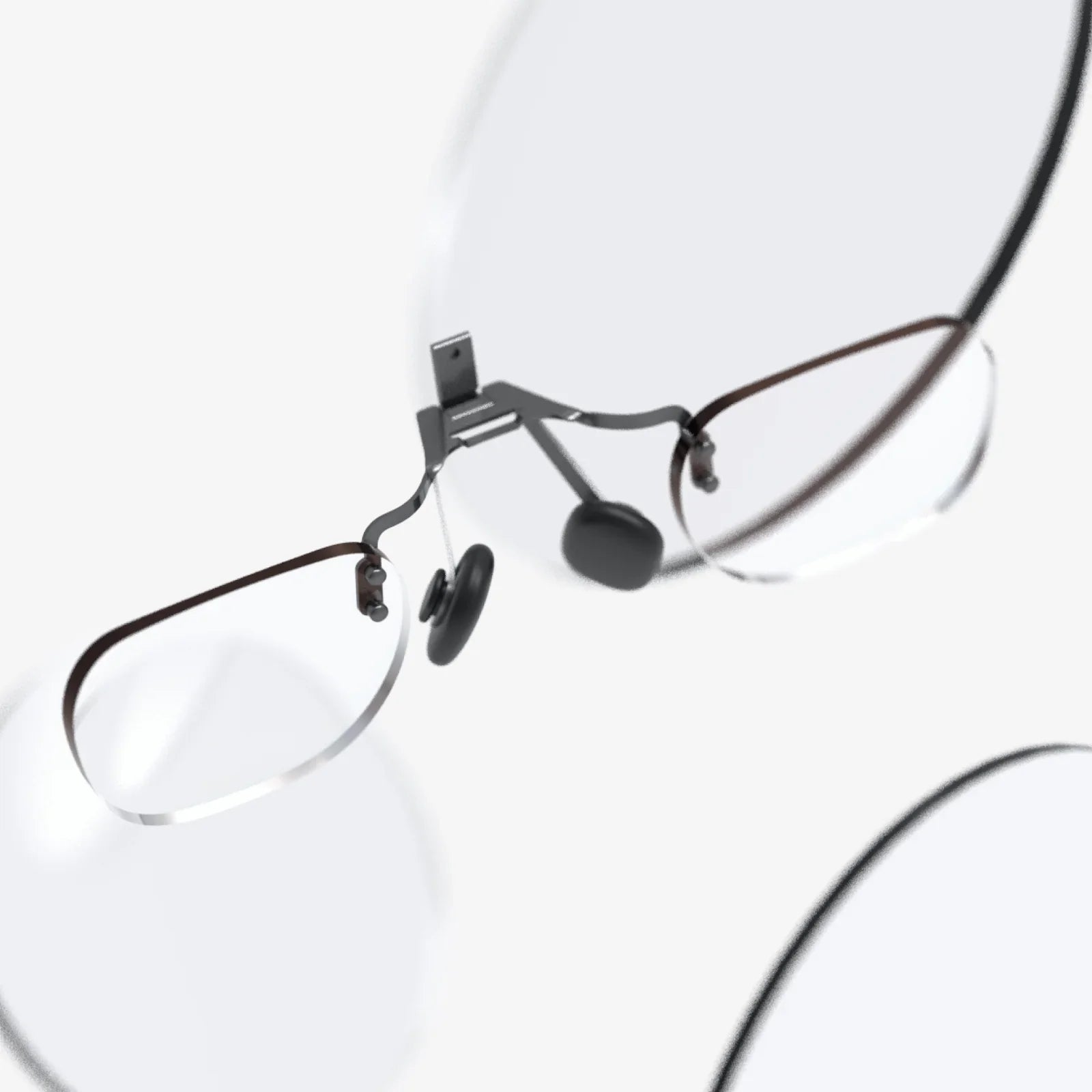
Imagine a world where your watch not only tells time but also warns you of an impending health crisis, where your glasses overlay digital information onto the physical world to guide your work, and where your clothing monitors your posture to prevent chronic pain. This is not a glimpse into a distant science fiction future; it is the reality being built today through the explosive growth and diverse applications of wearable technology. From our wrists and ears to our eyes and clothing, intelligent devices are weaving themselves into the very fabric of our existence, promising to revolutionize how we live, work, and understand ourselves.
The Digital Guardian: Revolutionizing Personal Healthcare
The most profound impact of wearable technology is undoubtedly in the realm of healthcare. Moving beyond simple step counting, modern devices are becoming sophisticated health monitoring platforms, shifting the paradigm from reactive treatment to proactive and preventative care.
Continuous, Remote Patient Monitoring
For patients with chronic conditions such as cardiac arrhythmias, hypertension, or diabetes, wearables offer a transformative solution. Devices can now perform single-lead electrocardiograms (ECG), measure blood oxygen saturation (SpO2), and track blood glucose levels non-invasively. This allows for continuous data collection in a patient's natural environment, providing clinicians with a rich, real-world dataset far more informative than sporadic readings taken in a clinical setting. This enables earlier detection of concerning trends, reduces the need for stressful hospital visits, and allows for personalized treatment adjustments.
Early Detection and Diagnostic Support
By establishing a baseline of an individual's normal vitals, advanced algorithms can detect subtle anomalies that may signal the onset of illness. Irregular heart rhythm notifications can prompt users to seek medical advice for potential atrial fibrillation, a major stroke risk factor. Similarly, trends in resting heart rate and heart rate variability can serve as early indicators of infections like flu or even COVID-19, often before obvious symptoms appear. This capability turns a consumer device into a powerful tool for early intervention.
Empowering the Elderly and Enhancing Independent Living
Wearables are a cornerstone of the burgeoning age-tech industry. Devices equipped with fall detection algorithms can automatically alert emergency services and designated family members if a hard fall is detected, ensuring help arrives swiftly even if the individual is unconscious. Location tracking can provide peace of mind for caregivers of those with dementia, while medication reminder features help manage complex prescription schedules, promoting independence and safety for aging populations.
Beyond the Gym: The Evolution of Fitness and Wellness
While health focuses on disease, wellness focuses on optimization. The fitness industry was the launchpad for modern wearables, and it continues to be a hotbed of innovation, moving far beyond basic activity tracking.
Advanced Performance Metrics for Athletes
For professional and amateur athletes alike, wearables provide unprecedented insights into performance. GPS-enabled watches map routes, pace, and elevation gain for runners and cyclists. Advanced units can now measure running dynamics like ground contact time, vertical oscillation, and stride length, offering data once only available in a lab. This allows for highly targeted form corrections to improve efficiency and reduce injury risk. In team sports, wearable patches and GPS pods track player load, intensity, and movement patterns, helping coaches optimize training regimens and manage athlete fatigue.
Holistic Wellness and Recovery
The modern understanding of fitness extends beyond the workout to include recovery and mental well-being. Wearables now track sleep stages (light, deep, REM) and provide a sleep score, offering insights into sleep quality and suggestions for improvement. They monitor stress through heart rate variability (HRV) and can guide users through breathing exercises to activate the parasympathetic nervous system and induce calm. This holistic approach helps users understand the intricate connections between activity, recovery, nutrition, and mental state.
The Augmented Associate: Transforming Enterprise and Industry
Beyond the consumer sphere, wearable technology is driving significant gains in productivity, safety, and efficiency across various industries, creating the augmented worker.
Hands-Free Computing in Logistics and Manufacturing
In warehouses and on factory floors, smart glasses and arm-mounted computers are revolutionizing workflows. Workers can have picking lists, assembly instructions, or schematic diagrams projected directly into their field of view, freeing their hands for tasks and drastically reducing errors. This technology enables real-time inventory management, remote expert assistance via video call (where a specialist can see what the worker sees and provide guidance), and streamlined complex procedures, leading to faster training times and enhanced operational efficiency.
Enhancing Safety in Hazardous Environments
For workers in construction, oil and gas, mining, and firefighting, wearables are critical safety tools. Smart helmets can monitor for exposure to toxic gases, detect falls, and alert supervisors if a worker becomes motionless. Wearable sensors can track vital signs like core body temperature and heart rate to prevent heat stress and fatigue-related accidents. Location beacons ensure that in an emergency, every individual can be quickly accounted for, even in low-visibility conditions.
The Seamless Experience: Integrating Technology into Daily Life
The most successful technology often becomes invisible, and wearables are steadily integrating into our daily routines in subtle yet powerful ways.
Smart Audio and Contextual Awareness
Wireless earbuds have evolved into intelligent hearing accessories. They offer active noise cancellation for focus or transparency modes to stay aware of surroundings. They can translate languages in near-real-time, breaking down communication barriers. Some are developing features to amplify important sounds like speech or sirens while dampening background noise, acting as a personalized auditory filter for the world.
The Future on Your Finger and On Your Skin
Innovation continues with smart rings, which offer a less obtrusive form factor for tracking sleep and activity, and smart clothing with sensors woven directly into the fabric to monitor muscle activity, posture, and breathing. These devices represent a move towards truly seamless and ubiquitous computing, where technology serves us without requiring constant screen interaction.
Navigating the Challenges: Privacy, Security, and the Human Element
The ascent of wearable technology is not without significant challenges that must be addressed to ensure its ethical and sustainable growth.
The Data Dilemma: Privacy and Ownership
Wearables generate a continuous stream of deeply personal biometric data—a digital twin of our physical selves. Critical questions arise: Who owns this data? How is it being used? Is it anonymized and aggregated for research, or could it be sold to third parties, such as insurers or employers, potentially leading to discrimination? Robust regulatory frameworks and transparent data policies are essential to build and maintain user trust.
The Security Imperative
This highly personal data is a tempting target for malicious actors. A breach could reveal not just credit card information but an individual's entire health history and real-time location. Manufacturers must prioritize end-to-end encryption and regular security updates to protect these vulnerable endpoints in the Internet of Things (IoT) ecosystem.
Avoiding Dependence and Digital Burnout
There is a risk of becoming overly reliant on data, leading to anxiety or "analysis paralysis" where users become slaves to their metrics. The constant connectivity promised by wearables can also contribute to digital burnout and an inability to disconnect. The technology must be designed to empower, not overwhelm, and encourage users to sometimes simply listen to their bodies instead of a device.
The true potential of wearable technology lies not in the devices themselves, but in the insights they unlock and the actions they inspire. We are moving towards a future of predictive health, hyper-efficient workplaces, and seamlessly augmented experiences, all powered by the quiet hum of sensors on our bodies. The challenge ahead is to harness this power wisely, ensuring it enhances our humanity rather than diminishes it, creating a future where technology doesn't tell us how to live, but helps us live better. The next chapter of human-computer interaction is being written on our skin, and it’s a story you’ll want to follow closely.
Share:
What Are the Benefits of Wearable Tech? Unveiling a Healthier, Smarter, and More Connected You
Smart Glasses AI Glasses Latest Features 2025: A Vision of the Future on Your Face