


Imagine pointing your phone at your living room and watching a new sofa materialize right before your eyes, perfectly scaled to fit the space, its fabric and color rendered in photorealistic detail. You can walk around it, view it from every angle, and even see how the afternoon light from your window falls across its cushions. This is not a scene from a science fiction movie; it is the reality of today, powered by the revolutionary technology of AR 3D product visualization. This powerful convergence of augmented reality and three-dimensional modeling is fundamentally reshaping the landscape of retail, marketing, and consumer engagement, offering a glimpse into a future where the line between the digital and the physical is beautifully blurred.
Demystifying the Technology: How It All Works
At its core, AR 3D product visualization is a sophisticated dance between two distinct yet interconnected technological fields: 3D modeling and augmented reality. The process begins long before a consumer ever raises their smartphone.
The Foundation: Creating the 3D Asset
The journey starts with the creation of a high-fidelity 3D model of the product. This is a digital twin, an exact replica that captures every nuance, curve, texture, and material property. Skilled 3D artists use specialized software to build these models from the ground up, often working from technical drawings, CAD files, or physical scans of the actual product. The level of detail is paramount. This includes:
- Photorealistic Texturing: Applying high-resolution images to the model's surface to simulate materials like wood grain, brushed metal, woven fabric, or glossy plastic.
- Advanced Material Properties: Defining how the surface interacts with light. This involves setting parameters for reflectivity, roughness, metallicity, and transparency to ensure the digital object behaves like its real-world counterpart under different lighting conditions.
- Precise Geometry: Ensuring the model's dimensions are mathematically accurate to the millimeter, guaranteeing a perfect fit when placed in a user's environment.
The Bridge: Optimization and Preparation
A highly detailed 3D model can be a large, computationally heavy file. For it to stream seamlessly to a mobile device or load instantly on a webpage, it must be optimized. This process, often called retopology, reduces the polygon count without sacrificing visual quality. The model is then exported into a lightweight, web-friendly format, such as glTF (GL Transmission Format), which is considered the "JPEG of 3D" for its efficiency.
The Magic: Deployment in Augmented Reality
This is where the magic happens for the end-user. Using a device's camera and sensors (gyroscope, accelerometer, LiDAR scanner), the AR application scans the user's environment. It identifies flat surfaces like floors and tables and understands the room's geometry and lighting. The optimized 3D model is then anchored to a specific point in this real-world space. The AR engine renders the model in real-time, compositing it into the live camera feed. Advanced algorithms handle occlusion (allowing real-world objects to pass in front of the digital product) and realistic lighting, casting shadows from the virtual object onto the physical world and vice versa, creating a convincing and immersive illusion.
A Paradigm Shift in E-Commerce and Retail
The most profound impact of AR 3D product visualization has been felt in the world of online shopping. It directly addresses the fundamental limitation of e-commerce: the inability to physically interact with a product before purchase.
Conquering Uncertainty and Reducing Returns
The "try before you buy" concept has been the holy grail of online retail. AR visualization delivers precisely that. For furniture and home decor, customers can verify size, style, and fit, eliminating the anxiety of whether a new bookshelf will be too large for an alcove. For fashion, virtual try-on for glasses, watches, and even makeup allows users to see how a product complements their features and style. This hands-on experience drastically reduces purchase hesitation and, most importantly, leads to a significant reduction in product returns—a major cost center for retailers. When a customer is confident in their choice, satisfaction and loyalty soar.
Enhancing Engagement and Dwell Time
Static images and even 360-degree spins are passive experiences. AR is active and interactive. It transforms shopping from a mundane task into an engaging experience. Users spend more time interacting with products they can place in their world, leading to higher emotional investment and a stronger connection to the brand. This increased dwell time on a product page directly correlates with higher conversion rates.
Revolutionizing Marketing and Advertising
Beyond the point of sale, AR 3D visualization is a powerful storytelling and marketing tool. It allows brands to create immersive and memorable campaigns that cut through the noise of traditional advertising.
Interactive Campaigns and Experiential Marketing
Imagine a print ad in a magazine for a new sports car. With AR, a reader can scan the ad with their phone and see the car burst out of the page, parked on their street. They can walk around it, open the doors, and even step inside for a virtual look at the interior. This creates a "wow" factor that a video ad simply cannot match. Brands can create AR filters for social media, allowing users to visualize products in fun and shareable ways, generating organic reach and virality.
Supercharged Product Configurators
Complex, customizable products like cars, laptops, or furniture benefit immensely. A web-based 3D configurator is good, but an AR configurator is transformative. Users can select different colors, materials, and components and see their custom creation come to life in their own driveway or living room. This deep level of personalization makes the product feel uniquely theirs before it's even manufactured, strengthening the emotional appeal and justifying premium price points.
Empowering Industries Beyond Retail
While retail is the most visible beneficiary, the applications of this technology span far wider.
- Architecture and Interior Design: Architects can project entire building designs onto a physical plot of land. Interior designers can place virtual furniture, lighting, and finishes into a space for clients to experience and approve before a single item is ordered.
- Manufacturing and Industrial Design: Engineers can use AR to visualize and interact with 3D prototypes of machinery or components overlaid onto a physical assembly line, aiding in design validation, maintenance planning, and assembly instructions.
- Education and Training: Medical students can practice on virtual 3D models of human anatomy overlaid onto a mannequin. Mechanics can see a transparent, labeled overlay of a car's engine, simplifying complex repairs.
Overcoming Challenges and Looking to the Future
Despite its rapid advancement, AR 3D visualization still faces hurdles. Creating high-quality 3D content can be time-consuming and expensive, though automated photogrammetry and AI-assisted modeling are rapidly lowering these barriers. Widespread adoption also requires consumer education and seamless integration into existing shopping apps and websites.
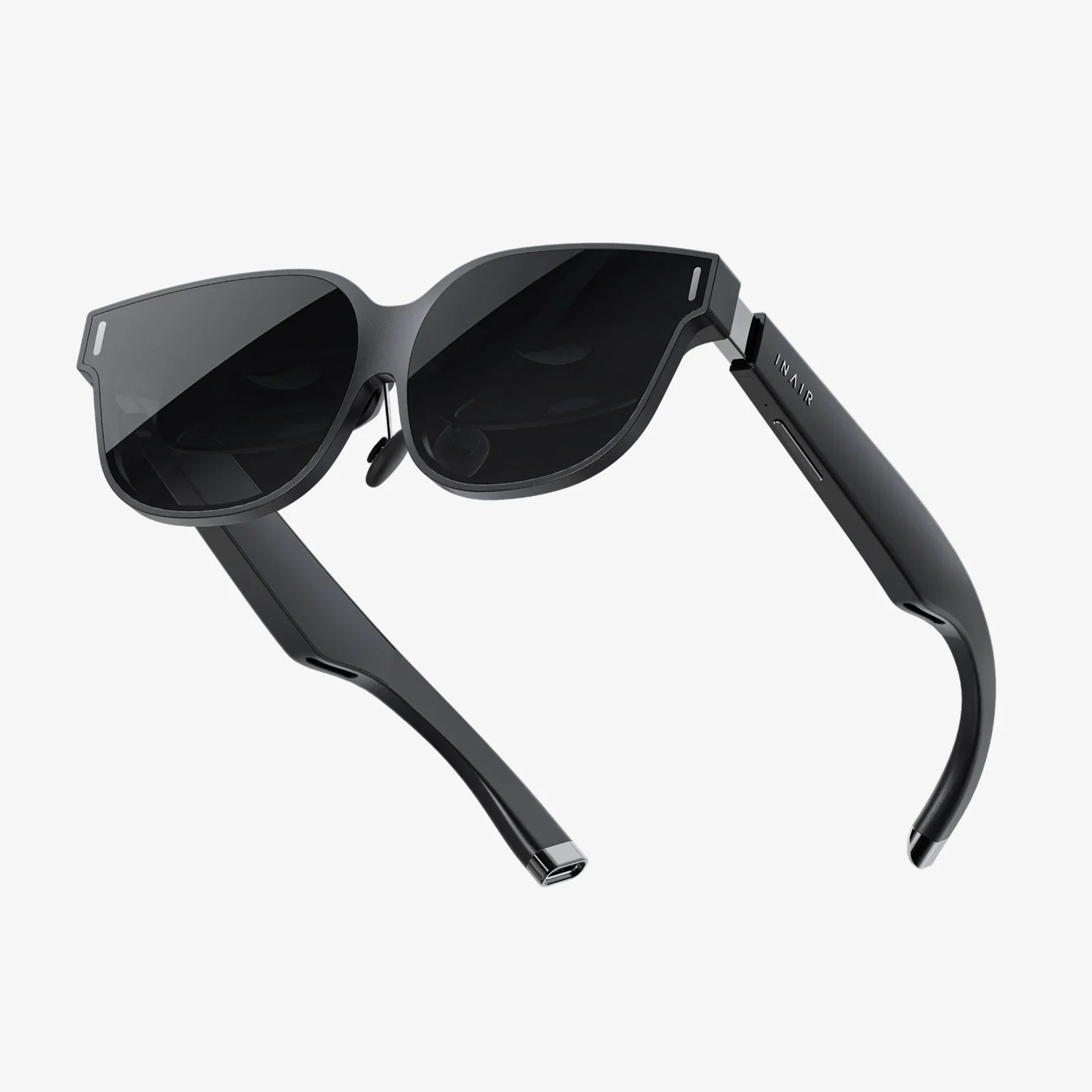
The future, however, is incredibly bright. The integration of Artificial Intelligence will allow for even more realistic physics and material behaviors. The rise of the metaverse and Web3 will demand high-fidelity 3D assets as the standard for digital presence. As hardware like AR glasses becomes more mainstream and powerful, the act of visualizing a product in your space will become as natural as taking a photo is today. We are moving towards a world where our physical and digital possessions coexist and interact, and AR 3D product visualization is the essential bridge making it all possible. It’s shifting the paradigm from simply looking at a product on a screen to truly experiencing it in your world, building confidence, crushing ambiguity, and forging a deeper, more tangible connection between consumers and the things they love.
The ability to not just see, but to experience a product in your own environment before committing to a purchase is no longer a luxury—it's rapidly becoming a baseline expectation for the modern consumer. This technology is quietly building a more intuitive, confident, and satisfying way to shop, learn, and design, transforming our screens from flat windows into portals that blend our reality with limitless possibility. The next time you shop online, don't just look for the 'buy' button; look for the 'view in your room' option and step into the future.
Share:
Best Uses for AI: Transforming Industries and Empowering Humanity
AR Glasses Fail: The Unseen Barriers Between Hype and Reality