


- by wangfred
AR Accelerated: The Invisible Engine Reshaping Reality
- by wangfred
Imagine a world where digital information doesn’t just live on a screen but is seamlessly woven into the fabric of your physical reality, responding and interacting with your environment in real-time, without a hint of lag or distortion. This isn’t a distant sci-fi fantasy; it is the imminent future being built today, and its engine is AR acceleration. This technological leap is transforming augmented reality from a clunky, battery-draining novelty into a smooth, intuitive, and powerful tool poised to revolutionize everything from how we work and learn to how we connect and create. The race to perfect this invisible engine is on, and the winners will define the next era of human-computer interaction.
For years, AR experiences were often hampered by a fundamental trio of problems: latency, registration errors, and high power consumption. Users would don a headset or hold up a device only to be met with digital objects that jittered, drifted, or failed to convincingly "lock" onto the real world. This break in immersion, known as latency, is the delay between a user's movement and the AR system's response. Even a delay of a few dozen milliseconds can cause a disconnect, leading to user discomfort or even motion sickness. The central processing unit (CPU) and graphics processing unit (GPU) in standard mobile devices, while powerful for traditional apps, were simply not architected for the immense, parallelized workload of AR. This workload is a constant, demanding cycle that must happen in the blink of an eye:
Attempting to run this entire pipeline on a general-purpose CPU/GPU combo was like trying to power a sports car with a lawnmower engine—it might move, but it will be slow, inefficient, and prone to failure. This bottleneck is what AR acceleration is designed to obliterate.
AR acceleration begins at the most fundamental level: the silicon. Chip designers have recognized that the unique demands of AR require a specialized approach, moving beyond a one-size-fits-all computing architecture. This has led to the development of custom processors and co-processors specifically designed to handle the AR pipeline with maximum efficiency and minimal power draw.
These accelerated processors often feature:
By offloading the intense computational burden from the main CPU and GPU onto these dedicated cores, devices achieve a previously impossible feat: they run complex, persistent AR experiences for hours on end without overheating or draining the battery. This hardware-level AR acceleration is the silent, invisible foundation that makes truly immersive and practical AR possible.
Powerful hardware is useless without sophisticated software to direct it. The software side of AR acceleration involves a stack of advanced algorithms and development frameworks that abstract the underlying complexity, allowing creators to build experiences without being experts in sensor fusion or simultaneous localization and mapping (SLAM).
Key software advancements include:
This mature software ecosystem ensures that the raw power of the hardware is accessible and usable, turning the promise of acceleration into tangible experiences.
The impact of AR acceleration extends far beyond gaming and social media filters. It is quietly becoming a critical productivity tool across the economy.
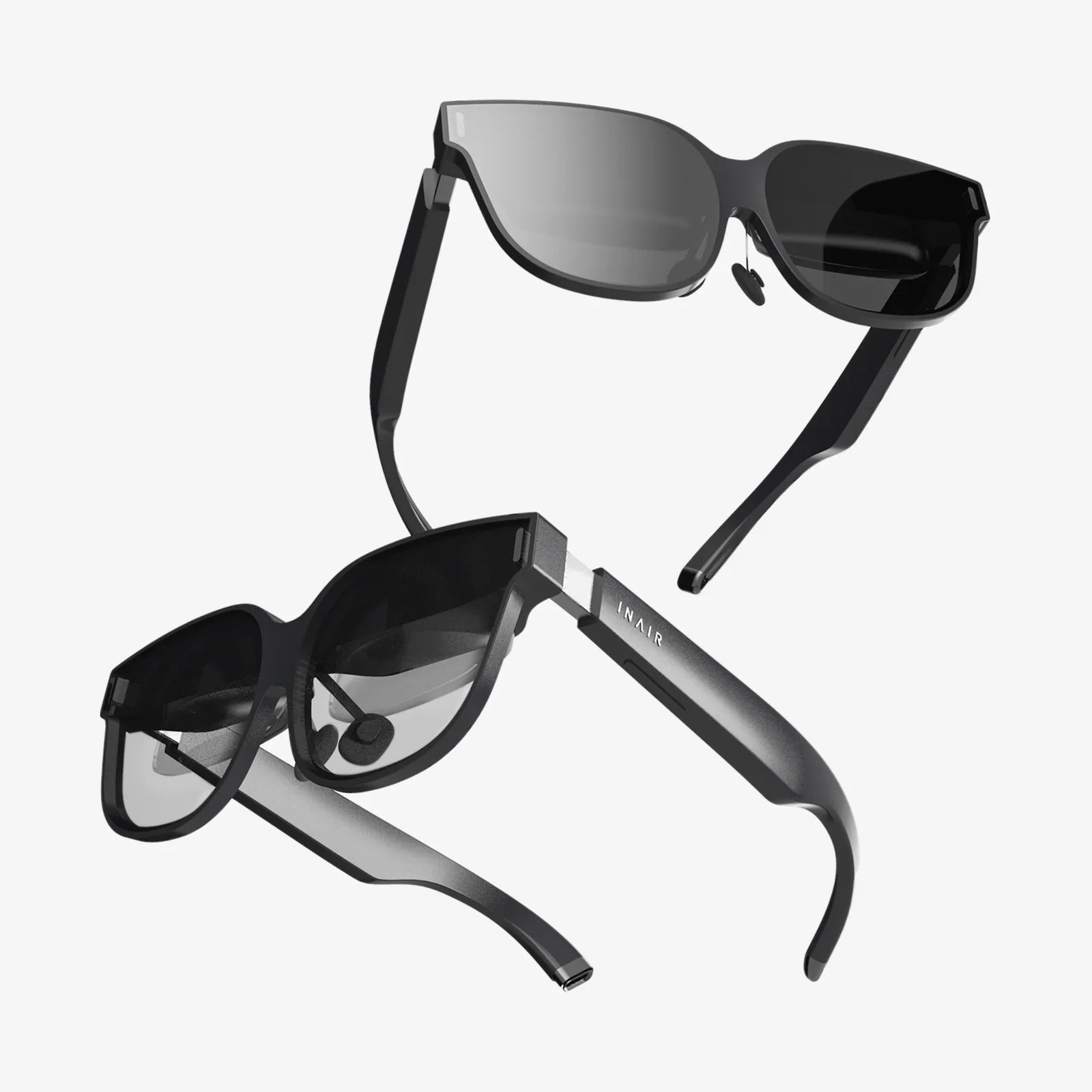
Technicians wearing AR glasses can see schematics, torque values, and step-by-step instructions overlaid directly onto the machinery they are repairing. AR acceleration ensures these annotations are rock-solid and don't drift as the user moves their head, which is critical for precision work. Remote experts can see what the technician sees and draw arrows and circles into their field of view in real-time, dramatically reducing downtime and errors.
Surgeons can use AR overlays to visualize patient anatomy, such as CT scans or vital signs, directly on their field of view during procedures without looking away at a monitor. Medical students can practice on detailed, interactive holograms of the human body. The low latency and high precision afforded by acceleration are, quite literally, matters of life and death in these scenarios.
Architects and interior designers can walk clients through full-scale, photorealistic holograms of unbuilt structures. They can change materials, move walls, and observe how light enters the space at different times of day—all in real-time. This "seeing before building" capability, powered by real-time rendering AR acceleration, saves millions in costs and prevents costly design flaws.
Shoppers can see how a sofa will look in their living room, how a new shade of paint will affect a room's ambiance, or how a pair of glasses will fit their face—all from their phone. The convincing nature of these try-ons, reliant on accurate occlusion and lighting, is a direct result of accelerated processing, and it is drastically reducing return rates and increasing consumer confidence.
As AR acceleration continues to evolve, its ultimate destiny is to disappear altogether. The technology will become so efficient and integrated that it will be a standard, unnoticeable feature in our devices. We are moving towards a world of pervasive and contextual computing, where digital information is available to us exactly when and where we need it, without a command or a click.
The next frontier involves:
The true magic of AR acceleration lies not in the technology itself, but in its ability to fade into the background. It is the invisible force that will erase the boundaries between the digital and the physical, empowering us to interact with information in the most natural way possible: within the world itself. This isn't just about seeing a dinosaur in your living room; it's about having the collective knowledge of humanity available at a glance, overlaying a layer of understanding onto reality that will make us more capable, connected, and creative. The engine is revving, and a new reality is coming into view.