


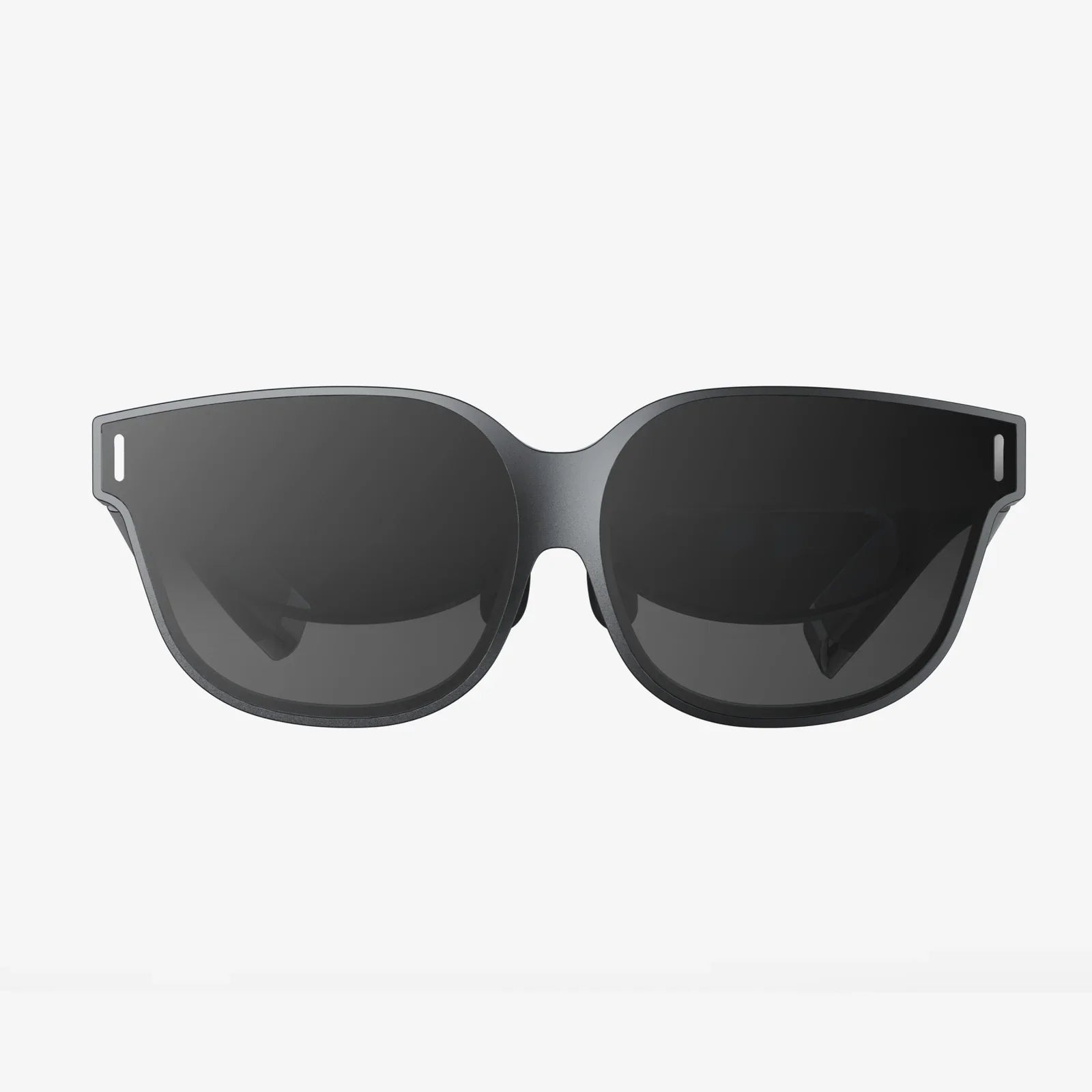
Imagine walking into a store where the shelves rearrange themselves based on your preferences, where you can try on an entire outfit without ever stepping into a changing room, and where a personal stylist, available 24/7, knows your size, taste, and even your mood. This isn’t a scene from a distant sci-fi future; it’s the emerging reality of retail, powered by the powerful convergence of Augmented Reality (AR) and Artificial Intelligence (AI). This fusion is not just adding a layer of digital novelty to shopping; it is fundamentally rewiring the entire consumer journey, erasing the friction between imagination and ownership, and creating a new, deeply personalized commerce ecosystem that exists everywhere and nowhere at once.
The Foundation: Understanding the Individually Powerful Technologies
Before delving into their powerful synergy, it's crucial to understand what each technology brings to the table on its own.
Artificial Intelligence: The Brain of Modern Retail
AI in retail functions as the central nervous system, processing vast amounts of data to generate intelligence and automate decisions. Its applications are vast and often operate behind the scenes:
- Predictive Analytics and Demand Forecasting: AI algorithms analyze historical sales data, weather patterns, social media trends, and even local events to predict future demand with startling accuracy. This allows for optimized inventory management, reducing both overstock and stockouts, and ensuring the right products are in the right place at the right time.
- Hyper-Personalized Recommendations: Moving far beyond "customers who bought this also bought," modern AI engines build intricate models of individual consumer behavior. By analyzing past purchases, browsing history, click patterns, and even time spent looking at an item, AI can curate a unique storefront for every single visitor, dramatically increasing conversion rates and customer satisfaction.
- Dynamic Pricing: AI can adjust prices in real-time based on demand, competitor pricing, inventory levels, and a customer's perceived price sensitivity. This ensures maximum profitability while remaining competitive.
- Supply Chain Optimization: From autonomous warehouses managed by robots to AI-planned logistics routes that minimize fuel consumption and delivery times, AI is making the entire backend of retail faster, cheaper, and more efficient.
- Customer Service Chatbots: AI-powered chatbots handle routine inquiries, track orders, and process returns, providing instant support and freeing human agents to tackle more complex issues.
Augmented Reality: The Bridge to the Physical World
If AI is the brain, AR is the eyes and the interactive interface. It overlays digital information onto the physical environment, enhancing reality rather than replacing it. Its primary value in retail lies in its ability to solve a fundamental e-commerce problem: the inability to physically interact with a product before purchase.
- Virtual Try-On: This is one of the most compelling applications. Shoppers can use their smartphone camera or a smart mirror to see how glasses, makeup, jewelry, or clothes look on them. For home goods, AR allows users to project life-sized 3D models of furniture, appliances, and decor into their own living space to check for fit, style, and color coordination.
- Visual Search: Instead of typing keywords into a search bar, customers can use their camera to search for products. See a pair of shoes you like on someone else? Point your phone, and AI will identify them and find similar styles for sale.
- Interactive In-Store Experiences: Physical stores are using AR to create immersive experiences. Pointing a phone at a product on a shelf might trigger a video demonstrating its features, show detailed specifications, or display customer reviews. This enriches the physical shopping trip with a layer of digital information.
- Virtual Showrooms and Stores: Brands can create entire digital stores that users can navigate and explore from their homes. These spaces are not limited by physical constraints, allowing for fantastical and brand-enhancing environments.
The Convergence: Where AR and AI Become Greater Than the Sum of Their Parts
The true revolution begins when these two technologies are integrated. AI provides the intelligence and personalization, while AR provides the immersive, visual medium for delivery. They create a continuous feedback loop of data and experience.
The Data Feedback Loop: A Cycle of Continuous Improvement
This loop is the engine of the new retail paradigm. It works like this:
- AI Personalizes the AR Experience: An AI model, knowing a user's past behavior and preferences, determines which products to suggest for a virtual try-on session. It doesn't just show random furniture; it shows a coffee table that matches the user's preferred mid-century modern style and known room dimensions.
- AR Generates Rich, Behavioral Data: As the user interacts with the AR experience, it generates a treasure trove of new, high-fidelity data. How long did they look at the product? From which angles? Did they virtually place it in their room and then remove it quickly? Did they change the color multiple times? This is intent-rich data far beyond a simple click.
- Data Feeds Back into AI Models: This new behavioral data is fed back into the AI engine, refining its understanding of the user's preferences. The AI learns that the user prefers light-colored wood over dark, or that they hesitated on a product that was slightly over their usual budget.
- AI Refines Future Interactions: This refined intelligence is used to make even more accurate recommendations and personalize every subsequent touchpoint, whether through AR, the website, email marketing, or in-store interactions.
This closed-loop system creates a learning ecosystem that gets smarter and more intuitive with every interaction, constantly narrowing the gap between consumer desire and product discovery.
Use Cases of the Convergence in Action
- The Personalized Virtual Fitting Room: An AI knows your size, your bought and browsed history, and your body shape. It powers an AR mirror that not only lets you try on clothes virtually but also suggests complete outfits based on what's in your closet (which it has digitally cataloged) and the occasion you're shopping for. It can even recommend a different size based on a specific brand's fit, which the AI has learned from thousands of other customers' purchases and returns.
- Intelligent Home Styling: You want to redesign your living room. An AR app, guided by an AI stylist, first scans your room to understand its dimensions and current style. The AI then recommends a curated selection of furniture that fits both the physical space and your aesthetic. You use AR to place the items. The AI observes your interactions and, if you seem unsure, suggests an alternative layout or a different rug that would tie the room together, learning from your hesitation.
- Contextual In-Store Navigation: You walk into a large department store and pull up the store's app. The AI, knowing your shopping list (e.g., "black dress for a wedding"), uses AR to overlay a path on the live camera feed, guiding you directly to the formalwear section. As you arrive, AR highlights dresses in your size and preferred brands. Pointing your phone at a dress displays not just the price, but an AI-generated message: "This would pair well with the heels you bought last month."
The Tangible Benefits: Why This Revolution Matters
The AR and AI revolution is not about gimmicks; it's about solving core retail challenges and delivering measurable value.
For the Consumer: Empowerment, Confidence, and Delight
- Reduced Purchase Uncertainty: The number one reason for online returns is that the product didn't match expectations. Virtual try-ons and product visualizations drastically reduce this uncertainty, leading to greater confidence in purchase decisions and fewer returns.
- Hyper-Relevance: Consumers are overwhelmed by choice. AI and AR cut through the noise, serving only the most relevant products and information, saving time and reducing decision fatigue.
- Enhanced Engagement: Shopping becomes an interactive, entertaining, and immersive experience rather than a transactional chore.
- Accessibility: It allows people to try products that were previously difficult, such as testing how a heavy appliance feels to move or trying on clothes in a privacy of their home.
For the Retailer: Efficiency, Loyalty, and Growth
- Drastic Reduction in Returns: Returns are a massive cost center for retailers. By allowing customers to "try before they buy" digitally, returns can be reduced by up to 40% for certain categories, directly impacting the bottom line.
- Increased Conversion Rates and Order Value: Personalized recommendations and the confidence inspired by AR visualization lead to higher conversion rates and larger average order values. A customer who can see how a new couch perfectly fits their room is more likely to buy it and the accompanying coffee table the AI suggests.
- Unprecedented Customer Insight: The behavioral data captured from AR interactions is a goldmine for product development, marketing, and merchandising. Retailers can learn which features customers care about most and which products are frequently tried on but not purchased, indicating a potential price or design issue.
- Strengthened Brand Loyalty: By providing a valuable, personalized, and frictionless service, retailers can build deeper emotional connections and become an indispensable part of the customer's life.
- Revitalization of Physical Stores: AR gives brick-and-mortar stores a new raison d'être, transforming them from mere points of distribution into experiential hubs that cannot be replicated online.
Navigating the Challenges and the Road Ahead
Despite its promise, the path to widespread adoption is not without obstacles.
- Technology Integration and Cost: Seamlessly integrating AR and AI into existing e-commerce platforms and in-store systems is complex and can be expensive, posing a barrier for smaller retailers.
- Data Privacy and Security: This hyper-personalized model requires collecting immense amounts of personal and behavioral data. Retailers must be transparent and ethical in their data use, ensuring robust security and giving customers control over their information. Trust is the currency of this new economy.
- The Hardware Hurdle: While smartphone AR is powerful, the experience can be clunky. Wider adoption of AR glasses and wearables is seen as a key to unlocking truly seamless, hands-free experiences, but this technology is still in its relative infancy for consumer markets.
- Bridging the Digital-Physical Divide: Ensuring that virtual representations are photorealistic and accurate to scale and color is critical. A failure here breaks trust and increases returns, defeating the purpose.
The future trajectory is clear. We are moving towards a world of phygital retail, where the line between physical and digital is irrevocably blurred. AI will become predictive to the point of being anticipatory, suggesting products you need before you even know you need them. AR will evolve into a persistent layer of information over the world, accessible through lightweight glasses. Shopping will become a continuous activity, not an event—an ongoing conversation between consumer and brand, facilitated by intelligent, ambient interfaces that understand context, preference, and intent.
The store of the future isn't just a place you go; it's an experience that follows you, understands you, and exists to serve your imagination the moment it sparks. The fusion of AR and AI is quietly dismantling the final barriers to confident commerce, promising a world where every purchase is informed, every experience is personalized, and the gap between seeing something and making it yours is nothing more than a fleeting thought.
Share:
Screen AI: The Invisible Intelligence Reshaping Our Digital World
What Is Artificial Intelligence? A Deep Dive Into The Future Of Thinking Machines