


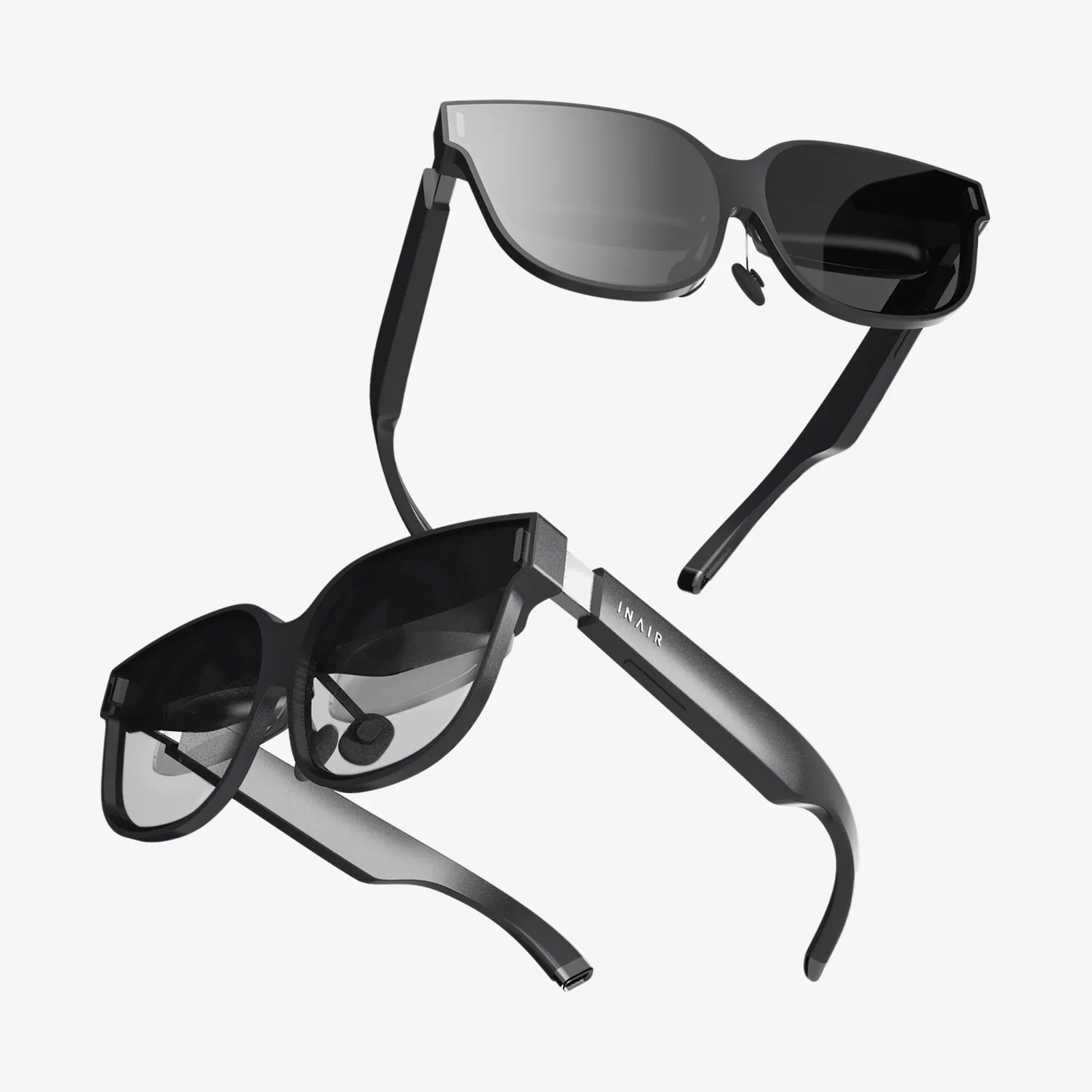
AR and transition glasses lenses are quietly turning ordinary eyewear into powerful, adaptive tools that can change how you see both the real and digital worlds. Whether you are staring at a bright screen, walking into harsh sunlight, or hoping to experience augmented reality without bulky headsets, this new generation of lenses promises sharper, more comfortable, and more intelligent vision. Understanding how they work and how to choose them can help you avoid expensive mistakes and unlock features you never knew you needed.
Before diving into the details, it helps to know what sets AR and transition glasses lenses apart from traditional eyewear. Both technologies aim to improve your visual experience, but they do so in very different ways. One focuses on reducing glare and enhancing clarity, while the other automatically adjusts to changing light conditions. When combined thoughtfully, they can transform a simple pair of glasses into a versatile, all-day companion for work, play, and everything in between.
What AR and Transition Glasses Lenses Actually Are
The phrase "AR and transition glasses lenses" can be confusing because it mixes two separate concepts: AR as in anti-reflective coatings and AR as in augmented reality. Both are relevant to modern eyewear, and understanding the difference is the first step to choosing the right lenses.
Anti-reflective (AR) coatings
In everyday eyewear, AR usually means anti-reflective. This is a thin, multi-layer coating applied to the surface of lenses to reduce reflections and glare. Without AR, light bounces off the lens surface, creating annoying reflections that can make it harder to see clearly and can also make your eyes less visible to others.
Anti-reflective coatings are designed to:
- Reduce glare from overhead lights, screens, and oncoming headlights
- Improve contrast and visual clarity, especially in low light
- Make lenses look clearer and less "mirror-like" to others
- Help reduce eye strain during extended screen use
AR coatings work via optical interference: the coating layers are engineered so that reflected light waves cancel each other out. The result is less reflection and more light passing through the lens to your eyes.
Augmented reality (AR) lenses
Augmented reality lenses are a more advanced, emerging category. These lenses are part of wearable devices that project digital images or information into your field of view, layering virtual content over the real world. Instead of simply improving clarity, they transform your glasses into a display.
AR lenses in this sense can:
- Overlay navigation arrows, notifications, or text in your field of view
- Support hands-free workflows in fields like logistics, healthcare, or engineering
- Enhance gaming and entertainment with immersive, interactive visuals
- Provide real-time translation, captions, or instructions
These lenses typically rely on miniature projectors, waveguides, or reflective elements built into the lens or frame. While still developing, they represent the future direction of AR and transition glasses lenses as a combined platform for both optical comfort and digital augmentation.
Transition lenses
Transition lenses, also known as photochromic lenses, automatically darken in response to UV light and return to a clear state indoors. They are designed to adapt to changing light conditions so you do not have to switch between regular glasses and sunglasses.
Transition lenses use special molecules embedded in or bonded to the lens material. When exposed to UV radiation, these molecules change shape and absorb more light, causing the lens to darken. When the UV source is removed, the molecules return to their original state and the lens becomes clear again.
Key benefits of transition lenses include:
- Convenience: one pair of glasses for both indoor and outdoor use
- Improved comfort in bright sunlight without needing clip-ons or separate sunglasses
- UV protection for your eyes throughout the day
- Smoother visual experience when moving between different lighting environments
How AR and Transition Glasses Lenses Work Together
When people talk about AR and transition glasses lenses, they often mean a combination of anti-reflective coatings and photochromic technology. In other words, lenses that both reduce reflections and automatically adapt to light levels.
This combination offers several advantages:
- Clearer vision indoors: AR coatings minimize reflections from screens and lighting, making it easier to focus.
- Comfort outdoors: Transition lenses reduce brightness and glare from sunlight, helping prevent squinting and eye fatigue.
- Better night driving: Anti-reflective layers can help reduce halos and glare from headlights and streetlights.
- All-day wear: You can wear the same lenses at your desk, in the car, and outside without constantly changing eyewear.
In more advanced setups, AR as augmented reality can also be combined with photochromic lenses. This creates eyewear that not only adapts to the brightness of your environment but also overlays digital information. Imagine walking outdoors with lenses that darken to protect your eyes while still displaying navigation directions or notifications clearly.
Key Features to Look For in AR and Transition Glasses Lenses
Not all AR and transition glasses lenses are created equal. When choosing them, consider the following features to match your lifestyle and visual needs.
Quality of the anti-reflective coating
The performance of AR coatings can vary widely. Better coatings typically include multiple layers designed to target different wavelengths of light, which improves overall reflection reduction.
Important aspects include:
- Reflection reduction: High-quality AR coatings can significantly reduce surface reflections, especially in low-light or high-glare environments.
- Durability: Good coatings resist scratching, peeling, and degradation over time.
- Ease of cleaning: Some AR coatings include hydrophobic and oleophobic layers that repel water and oils, making lenses easier to clean and less prone to smudging.
- Color of residual reflection: AR coatings often have a faint residual color (such as green or blue). This does not affect performance but can change the aesthetic appearance of your lenses.
Speed and range of transition
Transition lenses differ in how quickly they change and how dark they become. These factors matter if you frequently move between indoors and outdoors or if you are sensitive to light.
Pay attention to:
- Activation speed: How fast the lenses darken when exposed to sunlight.
- Fade-back speed: How quickly they return to clear when you go indoors.
- Maximum darkness: The darkest tint level outdoors, which affects comfort in very bright environments.
- Indoor clarity: How clear the lenses appear indoors, especially under artificial lighting.
Modern photochromic technologies have improved activation and fade times compared with older generations, but there are still differences between products, so it is worth asking about these characteristics.
Performance in vehicles
One limitation of many transition lenses is that they rely on UV light to activate. Car windshields often block much of the UV spectrum, which can reduce how dark the lenses become while driving. This can be disappointing if you expect them to function like full sunglasses behind the wheel.
Some newer photochromic technologies are designed to respond better inside vehicles, but performance can still vary. If driving comfort is a priority, you should ask specifically about how the lenses behave in cars and whether they are optimized for that environment.
Lens material and thickness
AR and transition glasses lenses can be made from different materials, each with its own strengths and trade-offs:
- Standard plastic: Lightweight and affordable, suitable for many prescriptions.
- High-index plastics: Thinner and lighter for stronger prescriptions, improving comfort and appearance.
- Polycarbonate or similar impact-resistant materials: Ideal for sports, active lifestyles, or safety eyewear.
AR coatings and photochromic treatments can be applied to most of these materials, but the final look and performance may vary. Thinner, high-index lenses, for example, can sometimes show more reflections without a good AR coating, making that feature especially important.
Compatibility with augmented reality displays
If you are considering AR lenses in the sense of augmented reality, compatibility among the frame, lens material, and display technology becomes critical. AR systems often require specific optical properties to guide and reflect light correctly.
Key considerations include:
- Optical clarity: The lens must maintain image sharpness for both real-world and projected content.
- Coating interactions: Certain reflective or anti-reflective layers may be required or restricted to support the AR display.
- Weight and balance: AR hardware adds components; lens material choices can help keep the glasses comfortable.
- Field of view: The AR system design determines how wide the digital overlay appears; lens design must support this.
Because augmented reality eyewear is still evolving, it is wise to review the specifications of any AR system carefully and, if possible, try it in person to evaluate comfort and clarity.
Benefits of AR and Transition Glasses Lenses in Everyday Life
Combining AR and transition glasses lenses can significantly improve your visual experience in many daily situations. Here are some of the most common scenarios where these technologies shine.
Digital work and study
If you spend hours each day in front of a computer or tablet, AR coatings help reduce distracting reflections from screens and overhead lighting. This can make text appear sharper, improve contrast, and lessen eye fatigue. For students and professionals alike, this translates to more comfortable, sustained focus.
Some lenses also incorporate filters that selectively reduce certain parts of the visible spectrum often associated with digital eye strain. While research on the long-term benefits is ongoing, many users report subjective comfort improvements when using such lenses for prolonged screen time.
Outdoor activities and commuting
Transition lenses are particularly useful if your day involves moving between indoor and outdoor environments. Walking from an office to a bright street, stepping out of a train station, or running errands in variable weather becomes more comfortable when your lenses automatically adapt to changing light conditions.
For commuters, AR coatings can help reduce reflections from streetlights and headlights, while the transition function provides comfort during daytime travel. Although performance in cars may be limited by windshield UV filtering, some photochromic technologies still offer partial darkening, which can be better than clear lenses alone.
Driving and night vision
At night, reflections on your lenses from headlights, dashboard lights, and street lamps can be distracting. AR coatings help minimize these reflections, making it easier to see the road, read signs, and monitor mirrors.
While transition lenses do not darken at night (there is no need for tinting in the dark), their clear state combined with a good AR coating can offer a more comfortable driving experience. The reduced glare can be especially helpful for people who are sensitive to bright points of light in otherwise dark surroundings.
Sports and active lifestyles
For outdoor sports like cycling, running, hiking, or casual team games, AR and transition glasses lenses can reduce the need to carry multiple pairs of eyewear. You can start your activity in low light or cloudy conditions and continue as the sun emerges, with your lenses adapting automatically.
Impact-resistant materials paired with AR coatings can provide both safety and clarity. The ability to reduce reflections while maintaining a wide field of view helps you track movement, judge distances, and stay aware of your surroundings.
Augmented reality experiences
In the context of AR as augmented reality, lenses that combine optical clarity, anti-reflective performance, and adaptive tinting can support more immersive and comfortable experiences. For example, an AR headset used outdoors can benefit from lenses that darken in bright sunlight while still allowing digital overlays to remain clear and visible.
As AR applications expand into navigation, training, remote assistance, and entertainment, the demand for lenses that handle both real-world brightness and digital display requirements will continue to grow. AR and transition glasses lenses are well positioned to meet this challenge by balancing protection, clarity, and information delivery.
Potential Drawbacks and Limitations
Despite their many advantages, AR and transition glasses lenses are not perfect. Understanding their limitations can help you set realistic expectations and avoid disappointment.
Transition response time
Even with modern technology, transition lenses do not change instantly. There is always a short delay as they darken or lighten, which can be noticeable if you move rapidly between very different lighting conditions. For example, stepping out of a dark building into bright midday sun may still cause a brief period of discomfort before the lenses fully darken.
Similarly, when you go indoors, it can take a little while for the lenses to become completely clear. If you are sensitive to this delay, it is worth asking about specific activation and fade times and possibly testing the lenses before committing.
Performance behind windshields and windows
As mentioned earlier, many transition lenses rely on UV light to activate. Glass in cars and some buildings blocks much of this UV radiation, which can limit how well your lenses darken. This means that inside a vehicle or behind certain windows, your lenses may remain closer to their clear state even when the environment feels bright.
If you need strong sun protection for driving, you may still prefer dedicated sunglasses or consider lenses specifically designed to respond better behind glass. Understanding this limitation ahead of time can prevent frustration later.
Cost considerations
Adding AR coatings and transition technology to your lenses usually increases the overall cost of your eyewear. While many people find the benefits worth the investment, it is important to weigh your budget against your actual needs.
You might ask yourself questions such as:
- How often do I move between indoor and outdoor environments?
- Do I struggle with glare from screens or headlights?
- Would I use augmented reality features regularly, or only occasionally?
By matching features to your lifestyle, you can avoid paying for capabilities you will rarely use.
Color perception and aesthetics
Some transition lenses may have a slight tint even when fully clear, which can subtly influence color perception indoors. Most users adapt quickly and do not find this bothersome, but it is something to be aware of if you work in fields that require precise color discrimination, such as design or photography.
AR coatings can also alter the way your lenses look to others, often adding a faint colored reflection. While this does not affect your vision, it can change the aesthetic appearance in photos or face-to-face interactions. Many people appreciate the more transparent look that AR coatings provide, but preferences vary.
How to Choose AR and Transition Glasses Lenses for Your Needs
Selecting the right combination of AR and transition glasses lenses involves balancing lifestyle, visual demands, and personal preferences. A structured approach can help you make a more confident decision.
Step 1: Identify your primary environments
Think about where you spend most of your time:
- Office or home office: Prioritize AR coatings for screen use and overhead lighting.
- Outdoor work or frequent outdoor activities: Emphasize transition performance, UV protection, and impact resistance.
- Driving: Focus on AR coatings for night glare and ask specifically about photochromic behavior behind windshields.
- Mixed environments: Consider a balanced solution with both strong AR performance and reliable transition behavior.
Step 2: Consider your sensitivity to light and glare
People vary in how they respond to brightness and reflections. If you are particularly sensitive, you may benefit from:
- High-quality AR coatings on both lens surfaces
- Transition lenses that reach a darker state outdoors
- Additional tint options for specific activities if needed
If your sensitivity is mild, you might prioritize AR coatings for clarity and choose transition lenses primarily for convenience rather than maximum darkening.
Step 3: Evaluate your interest in augmented reality features
If you are curious about AR as augmented reality, consider how you might use such features:
- Navigation assistance while walking or cycling
- Hands-free instructions for complex tasks or repairs
- Real-time translation or captioning
- Immersive gaming or media experiences
AR-capable eyewear is still evolving, and early adopters often accept trade-offs in battery life, weight, or aesthetics. If these features are important to you, you may choose to invest in specialized AR glasses, possibly separate from your everyday prescription pair. Over time, more integrated solutions that combine AR displays with high-performance transition and anti-reflective technologies are likely to become more common.
Step 4: Discuss lens options with an eye care professional
Once you have a sense of your needs, discussing them with an eye care professional can help narrow down specific lens types and coatings. Be prepared to talk about:
- Your daily routine and typical environments
- Any history of eye strain, headaches, or light sensitivity
- Whether you drive frequently at night
- Your interest in future AR capabilities
A professional can explain which combinations of AR coatings, photochromic technologies, and lens materials are best suited to your prescription and lifestyle.
Care and Maintenance Tips for AR and Transition Glasses Lenses
Proper care keeps AR and transition glasses lenses performing well and looking clear. Because these lenses include specialized coatings and treatments, they benefit from gentle, consistent maintenance.
Daily cleaning practices
To clean your lenses effectively:
- Rinse them with clean, lukewarm water to remove dust and debris.
- Use a mild, lens-safe cleaning solution or a small amount of gentle soap.
- Dry with a clean, soft microfiber cloth, avoiding rough fabrics or paper products.
Avoid using household glass cleaners, strong detergents, or solvents, as these can damage AR coatings and photochromic treatments over time.
Handling and storage
When you are not wearing your glasses:
- Store them in a protective case to prevent scratches and accidental bending.
- Place them with the lenses facing upward when set down temporarily.
- Avoid leaving them in very hot environments, such as on a car dashboard in direct sunlight, as extreme heat can affect coatings and lens materials.
Handle your glasses with both hands when putting them on or taking them off to maintain frame alignment and lens positioning.
Monitoring performance over time
AR coatings and transition technologies are designed to last, but they can gradually degrade with years of use. Signs that it may be time to update your lenses include:
- Increased reflections or glare compared with when the lenses were new
- Uneven or slower darkening and lightening of transition lenses
- Visible scratches, peeling, or cloudiness on the lens surface
Regular eye exams provide an opportunity to check both your prescription and the condition of your lenses, ensuring you continue to enjoy clear, comfortable vision.
The Future of AR and Transition Glasses Lenses
AR and transition glasses lenses are part of a broader shift toward smarter, more adaptive eyewear. Several trends are shaping what you can expect in the coming years.
First, transition technologies are likely to become faster, more responsive, and more customizable. Future lenses may allow you to adjust tint intensity or color through an app, or automatically adapt based on your location and activity. This could make the experience even more seamless and tailored to individual preferences.
Second, anti-reflective coatings will continue to improve in durability and performance. New materials and application methods can enhance scratch resistance, smudge resistance, and overall clarity. As lenses become thinner and more complex, high-quality AR coatings will remain essential for reducing unwanted reflections and maximizing visual comfort.
Most exciting, perhaps, is the integration of augmented reality capabilities into everyday eyewear. As micro-displays, sensors, and batteries shrink, it becomes more feasible to embed AR systems into frames that look and feel similar to regular glasses. Combined with transition and AR coatings, this could create eyewear that not only corrects your vision and adapts to light but also delivers information, entertainment, and assistance directly in your field of view.
Choosing AR and transition glasses lenses today is not just about solving current problems like glare and changing light; it is also a step toward a future where your glasses become a central interface between you and the digital world. By understanding how these lenses work, what their strengths and limitations are, and how to match them to your lifestyle, you can make a choice that keeps your eyes comfortable now while leaving the door open to the innovations that are just around the corner.
Share:
How To Know If Glasses Have AR Coating And Why It Matters
new ai products Reshaping Work, Creativity, and Everyday Life