


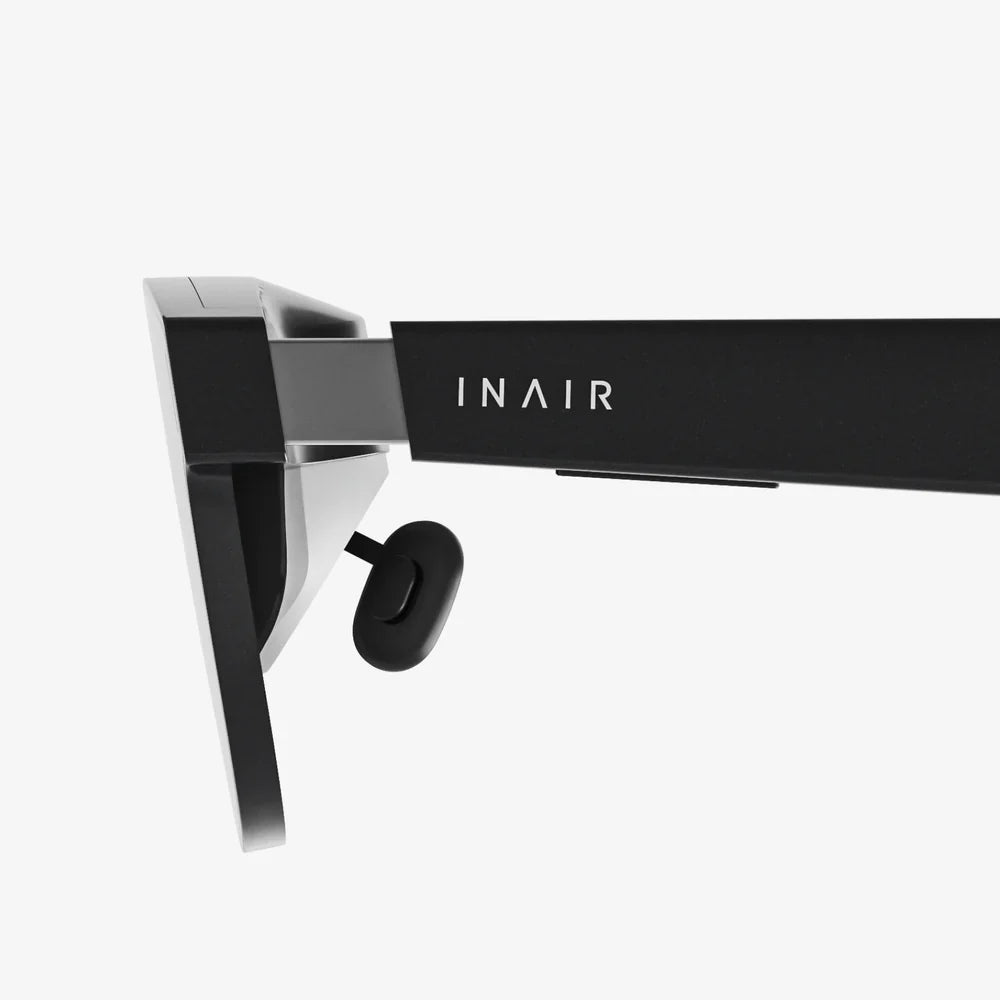
Imagine a world where a factory manager in Frankfurt can step inside a production line in Singapore without boarding a plane, where a surgeon can practice a complex procedure on a hyper-realistic holographic heart before making a single incision, or where a customer can see how a new sofa fits in their living room before they buy it. This is not a glimpse into a distant science fiction future; it is the rapidly evolving present of business, powered by the transformative duo of Augmented Reality (AR) and Virtual Reality (VR). These immersive technologies are shedding their reputation as mere entertainment gadgets and are now at the forefront of a corporate revolution, driving unprecedented efficiency, innovation, and connection across every sector.
Demystifying the Digital Duo: AR vs. VR
While often mentioned in the same breath, AR and VR offer distinct experiences and serve different, though sometimes overlapping, business purposes.
Virtual Reality (VR) is a fully immersive, digital experience that shuts out the physical world. By wearing a headset, users are transported to a completely computer-generated environment, whether that's a simulated workshop, a virtual meeting room, or the surface of Mars. It is a total digital escape.
Augmented Reality (AR), by contrast, overlays digital information onto the user's real-world environment. Through smartphone cameras, smart glasses, or other devices, users see the physical world enhanced with digital data, 3D models, or instructions. It is about enriching reality, not replacing it.
Understanding this distinction is crucial for businesses assessing which technology solves their specific challenges. VR is ideal for total simulation, while AR excels at providing contextual information in a live setting.
The Virtual Workshop: Revolutionizing Training and Development
One of the most powerful and widely adopted applications of immersive tech is in corporate training. Traditional methods often involve costly physical setups, theoretical learning, and, in high-risk industries, genuine danger. VR and AR dismantle these limitations.
VR creates a safe, controlled, and repeatable environment for practicing complex or hazardous tasks. Aerospace and automotive companies now train mechanics to repair advanced engines by having them practice on virtual models, where mistakes have no real-world consequences. Emergency services can simulate disaster response scenarios, from building collapses to chemical spills, allowing teams to hone their coordination and decision-making under pressure without any risk. These simulations can be paused, rewound, and analyzed, providing a depth of learning that manuals or videos cannot match.
AR, on the other hand, acts as an on-the-job guide. A technician performing maintenance on an industrial machine can wear AR glasses that display step-by-step instructions, highlight specific components to adjust, and show torque settings directly in their field of view. This hands-free access to information drastically reduces errors, shortens task completion times, and empowers less experienced workers to perform at an expert level. It effectively captures the knowledge of veteran employees and makes it accessible to the entire workforce in real-time.
Designing in the Digital Realm: Prototyping and Product Development
The journey from concept to final product is long, expensive, and fraught with revisions. Immersive technologies are streamlining this process in profound ways, saving businesses millions in prototyping costs and accelerating time-to-market.
In manufacturing and engineering, VR allows designers and stakeholders to step inside a full-scale, 1:1 model of a product long before a physical prototype is ever built. An automotive design team can sit inside the virtual cabin of a new car model, assessing sightlines, ergonomics, and the user interface. They can make changes to the digital model instantaneously and review them immediately, a process that would take weeks with physical clay models. This "virtual first" approach to prototyping fosters more iterative and collaborative design, leading to a superior final product.
Architecture, Engineering, and Construction (AEC) is another sector experiencing a paradigm shift. Using VR, architects and their clients can take a virtual walkthrough of a building before the foundation is even poured. This allows for feedback on spatial feel, lighting, and material choices at a stage where changes are still inexpensive to make. AR is used on construction sites, where blueprints can be superimposed onto the physical space via a tablet or glasses, allowing workers to visualize where wiring should go, how plumbing should be routed, and ensuring everything is built exactly to spec, minimizing costly errors and rework.
Bridging the Distance: The Future of Remote Collaboration and Assistance
The globalized nature of modern business, further accelerated by the rise of remote work, has created a pressing need for more effective collaboration tools. Video conferencing, while useful, is often a poor substitute for being there in person. AR and VR are building the bridges that flat screens cannot.
VR collaboration platforms create persistent virtual meeting rooms where avatars of employees, regardless of their physical location, can meet. But it goes far beyond a novel conference call. Teams can collaboratively interact with 3D models of products, data visualizations, or architectural plans. They can brainstorm on virtual whiteboards, manipulate digital objects together, and feel a sense of shared presence that fosters creativity and consensus in a way that 2D screens inhibit.
AR enables a form of collaboration known as "see-what-I-see" remote assistance. An expert engineer in a headquarters can see the live feed from an on-site technician's AR glasses. The expert can then draw arrows, highlight components, and display instructions directly into the technician's field of view, guiding them through a complex repair as if they were standing right beside them. This drastically reduces travel costs for specialists, minimizes equipment downtime, and ensures problems are resolved correctly the first time, all while building the knowledge base of the field workforce.
Transforming the Customer Experience: From Showrooms to Living Rooms
Perhaps the most visible impact for consumers is in the realm of marketing, sales, and customer experience. AR and VR are empowering customers like never before, reducing purchase anxiety and creating deeply engaging brand interactions.
The retail and interior design industries have been transformed by AR. Applications allow customers to use their smartphone cameras to "place" virtual furniture, appliances, or decor into their own homes. They can see how a new paint color will look on their walls or how a rug will fit with their existing furniture. This try-before-you-buy functionality significantly reduces purchase hesitation and product return rates, building consumer confidence and driving sales conversions.
VR, meanwhile, creates immersive brand experiences. Travel and hospitality companies offer virtual tours of hotel rooms, cruise ships, and exotic destinations, allowing potential guests to explore and experience a location before booking. Automotive companies provide virtual test drives of new models. These experiences are not just gimmicks; they are powerful emotional tools that build a strong connection between the customer and the brand, moving beyond traditional advertising to create a memorable and persuasive narrative.
Navigating the Implementation Maze: Challenges and Considerations
Despite the immense potential, integrating AR and VR into business operations is not without its hurdles. A successful strategy requires careful planning and a clear-eyed view of the challenges.
Cost and Technical Infrastructure: While hardware prices are falling, developing custom, enterprise-grade software and experiences requires a significant investment. Businesses must also ensure their network infrastructure can support the high bandwidth and low latency demands of streaming immersive content, especially for collaborative applications.
Content Creation: The value of these technologies is entirely dependent on the quality and relevance of the digital content. Creating accurate 3D models, compelling simulations, and intuitive user interfaces requires specialized skills in 3D modeling, game development, and user experience (UX) design, which can be a scarce and expensive resource.
User Adoption and Comfort: Some users may experience cybersickness in VR, and others may be resistant to adopting new technology or wearing devices for extended periods. A successful rollout must include change management, thorough training, and a focus on creating comfortable and genuinely useful experiences that demonstrate clear value to the employee.
Data Security and Privacy: These devices can collect vast amounts of sensitive data, from user biometrics to detailed scans of physical operational environments. Companies must implement robust cybersecurity measures and develop clear policies on data usage and privacy to protect both their corporate assets and their employees.
The Horizon of Possibility: What Lies Ahead?
The evolution of AR and VR is accelerating, driven by advances in artificial intelligence, 5G connectivity, and hardware miniaturization. We are moving towards lighter, more powerful, and more socially acceptable headsets. The lines between AR and VR will continue to blur with the development of Mixed Reality (MR), which seamlessly blends real and virtual worlds to create truly interactive environments where physical and digital objects co-exist and interact in real-time.
The integration of AI will make these experiences smarter and more responsive. Virtual assistants could appear in AR to guide a worker, and AI-powered simulations could adapt in real-time to a trainee's actions, creating a personalized learning path. As the technology becomes more pervasive, we will see the emergence of a spatial web—an layer of information and interaction overlaid on the physical world, fundamentally changing how we work, learn, and interact with information.
The businesses that will thrive in the coming decade are those that begin exploring these technologies today. This is not about chasing a trend; it is about building a foundational capability for the future. The initial foray doesn't have to be a massive enterprise-wide rollout. It can start with a pilot program in a single department, tackling one specific pain point. The goal is to start learning, iterating, and understanding how to harness the power of immersion. The question for business leaders is no longer if AR and VR will impact their industry, but how quickly they can adapt to harness this transformative wave and build the immersive enterprises of tomorrow.
The boardrooms and factory floors of tomorrow are being built today not with concrete and steel, but with pixels and polygons. The businesses that learn to navigate this new immersive landscape will unlock unparalleled levels of efficiency, creativity, and customer connection, leaving those who hesitate watching from the sidelines of a reality they failed to step into.
Share:
Augmented Reality AR Testing: The Critical Frontier for Seamless Digital Overlays
Custom Augmented Reality: The Ultimate Guide to a Bespoke Digital Future