


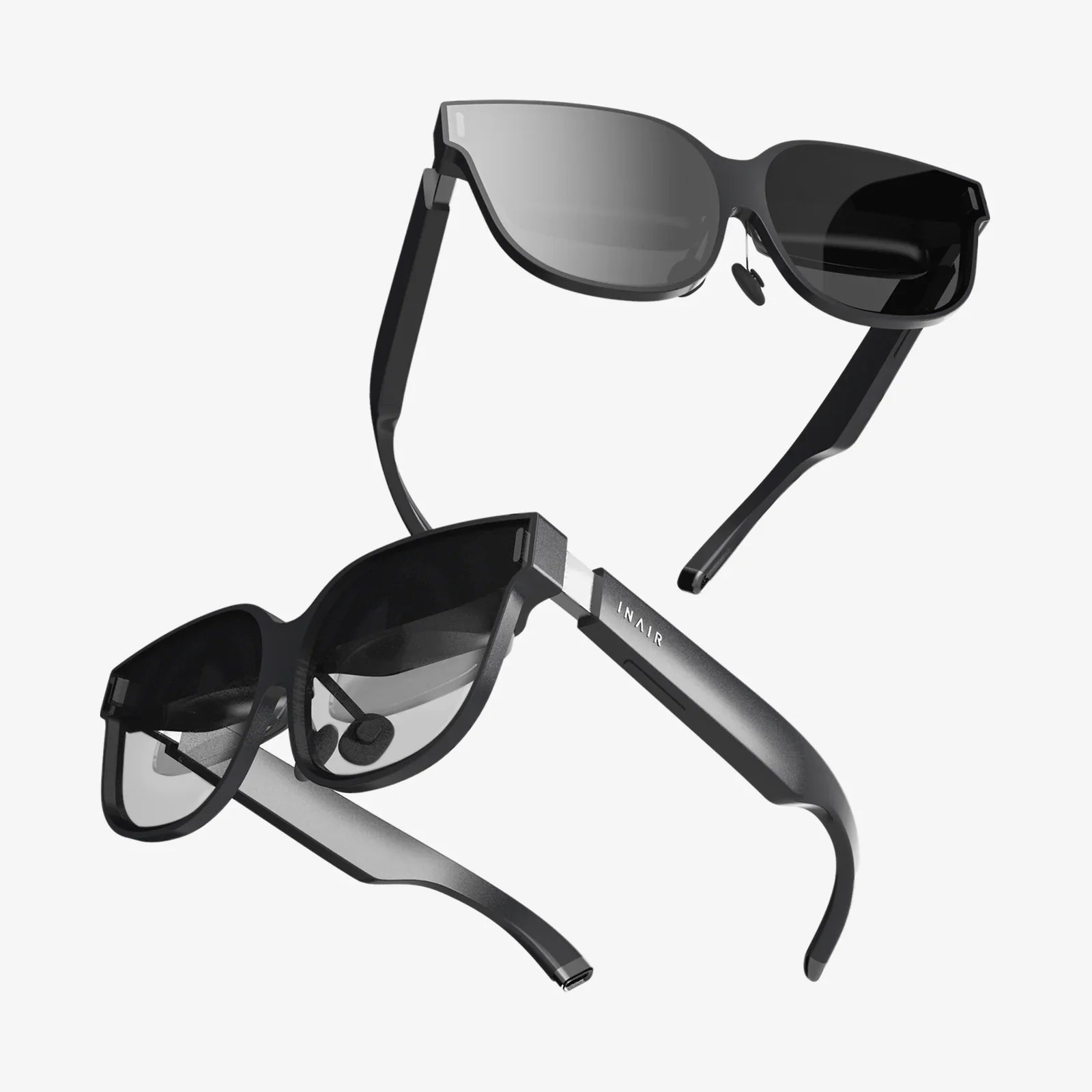
AR battery technology is quietly deciding which augmented reality devices will thrive and which will fade away, and understanding it now can put you ahead of the next wave of immersive computing. While flashy displays and sleek headsets grab attention, it is the battery inside that determines how long you can stay in a mixed reality workspace, how light your glasses feel on your nose, and how convincing the digital overlay looks on your world.
As augmented reality moves from experimental gadgets to everyday tools for work, entertainment, and navigation, the AR battery has become the critical bottleneck and the most exciting frontier. The race is on to create power sources that are lighter, safer, more energy dense, and smart enough to adapt in real time to demanding graphics and sensor workloads.
The unique demands that define an AR battery
Augmented reality devices place a very different set of demands on a battery than phones, laptops, or even virtual reality headsets. Understanding these demands helps explain why AR battery design is such a specialized challenge.
Extreme focus on weight and comfort
Unlike smartphones that sit in a pocket or laptops that rest on a desk, many AR devices are worn on the head or face. Even small increases in battery weight can create pressure points, neck strain, or discomfort during long sessions. This leads to several design implications:
- Energy per gram matters more than total capacity – A heavy battery with long runtime is not acceptable if it makes glasses uncomfortable.
- Distributed battery placement – Designers often split the AR battery into multiple cells across the frame, strap, or a rear module to balance weight.
- Thermal comfort – Heat from the battery near the face is far more noticeable than in a phone, so thermal management is crucial.
Always-on sensors and high-performance computing
AR devices run a complex stack of hardware simultaneously:
- Cameras and depth sensors for environment mapping
- Eye tracking and head tracking sensors
- Displays or waveguides projecting images into the user’s field of view
- On-device processors for graphics, AI, and spatial understanding
Unlike a smartphone that can idle much of the time, AR headsets often operate in a near-constant active state, which means:
- High baseline power draw, even when the user is not actively interacting
- Frequent power spikes during complex rendering, object recognition, or multi-app use
- Need for stable voltage to avoid glitches in visuals or tracking
Form factor constraints
AR glasses and headsets impose strict dimensional limits. Designers cannot simply increase battery size to extend runtime. Instead, they must:
- Use thin, curved, or modular cell shapes to fit around optics and electronics
- Consider off-head batteries connected via cables or wearable packs
- Balance aesthetics with battery volume, avoiding bulky or distracting modules
These constraints push AR battery engineers toward advanced chemistries, clever packaging, and system-level optimization rather than brute-force capacity increases.
Core AR battery chemistries and architectures
Most current AR devices rely on lithium-based rechargeable batteries, but the specific type and configuration can vary. Each option offers different trade-offs between energy density, safety, cost, and form factor flexibility.
Lithium-ion: the current workhorse
Traditional lithium-ion batteries remain the dominant choice for many AR devices. Their strengths include:
- High energy density – Good runtime in relatively small volumes
- Mature manufacturing – Well-understood supply chains and production methods
- Reasonable cycle life – Hundreds of charge cycles with careful management
However, lithium-ion has limitations that are especially visible in AR use cases:
- Safety concerns – Risk of thermal runaway if damaged or poorly managed
- Rigid cell formats – Cylindrical or prismatic cells can be harder to integrate into slim glasses
- Heat generation – High discharge rates in compact enclosures can create uncomfortable warmth
Lithium polymer and flexible cells
Lithium polymer variants allow more flexible shapes, making them attractive for AR glasses and lightweight headsets. Key advantages include:
- Customizable form factors – Pouch cells can be thin and shaped to fit frames or headbands.
- Lower weight – Packaging can be lighter compared to rigid metal casings.
- Better integration – Cells can be embedded into straps or distributed around the device.
The trade-offs often involve:
- Potentially shorter lifespan if not carefully engineered
- More sensitivity to physical damage due to softer packaging
- Need for precise manufacturing to avoid swelling or reliability issues
Solid-state batteries: a promising future for AR
Solid-state batteries are widely viewed as a transformative technology for wearables and AR devices. They replace liquid electrolytes with solid materials, offering several compelling benefits:
- Higher energy density – More energy in the same space, crucial for small AR form factors.
- Improved safety – Reduced risk of leakage and thermal runaway.
- Potential for thinner designs – Solid layers can be engineered for minimal thickness.
For AR specifically, solid-state batteries could enable:
- Glasses that look nearly identical to conventional eyewear yet run for hours
- Headsets with significantly longer sessions without adding bulk
- Innovative form factors like flexible temple arms acting as power sources
Challenges remain around cost, manufacturing scale, and durability, but the trajectory is promising, and many next-generation AR concepts assume solid-state batteries as a key enabler.
How AR battery design shapes user experience
The capabilities and limitations of an AR battery directly influence how users perceive the device. Beyond raw runtime, battery behavior affects comfort, immersion, and trust.
Session length and use case viability
Different AR scenarios demand different runtimes:
- Industrial and enterprise use – Training, remote assistance, and field service may require multi-hour sessions.
- Consumer entertainment – Shorter, more intense sessions for gaming or media.
- All-day assistive overlays – Navigation, translation, or notifications throughout a workday.
If the AR battery cannot support the intended duration, the entire use case becomes less compelling. For example:
- A technician who must remove a headset mid-task to recharge loses productivity.
- A user relying on AR navigation does not want the display to die mid-journey.
- Frequent charging breaks reduce the perceived value of the device.
Thermal comfort and immersion
High power draw from the AR battery can generate heat that is difficult to dissipate in compact eyewear. Excess warmth around the forehead, temples, or nose bridge can lead to:
- Physical discomfort during long sessions
- Fogging or sweat that interferes with optics
- Users removing the device early, shortening engagement
Effective thermal management strategies include:
- Using higher-efficiency components to reduce power consumption
- Intelligent power scaling based on scene complexity and user focus
- Thermal spreading materials integrated into the frame
Weight distribution and ergonomics
The way the AR battery is positioned impacts:
- Perceived weight on the nose and ears
- Balance between front-heavy optics and rear or side modules
- Stability during movement, critical for accurate tracking
Some designs place the battery pack at the back of the head to counterbalance front optics, while others split cells along the sides to maintain a slim profile. The best configurations often emerge from iterative testing with users, integrating engineering constraints with human factors research.
Power management: making every milliamp count
Hardware chemistry is only half the AR battery story. Sophisticated power management systems are essential to extend runtime, maintain performance, and protect the battery over its lifespan.
Battery management systems (BMS) for AR
An AR-focused battery management system typically handles:
- Cell monitoring – Tracking voltage, current, and temperature in real time.
- State of charge estimation – Providing accurate battery percentage readings to users.
- Balancing – Ensuring multiple cells discharge and charge evenly.
- Protection – Preventing overcharge, deep discharge, and dangerous temperature levels.
Because AR usage patterns can be highly variable, the BMS must respond quickly to power spikes from graphics workloads or sensor bursts while still preserving long-term battery health.
Dynamic performance scaling
To extend AR battery life without ruining the experience, many systems implement dynamic scaling strategies, such as:
- Adaptive rendering – Lowering resolution or frame rate in less demanding scenes.
- Foveated rendering – Concentrating high-quality graphics where the user is looking, reducing workload elsewhere.
- Sensor duty cycling – Adjusting sensor sampling rates based on motion or task importance.
- Context-aware power modes – Shifting to low-power states when the user is idle or looking away.
These techniques can dramatically improve runtime while keeping the experience smooth and responsive.
Offloading and edge connectivity
Some AR systems reduce on-device power usage by offloading heavy computation to external devices or the cloud. This can:
- Allow smaller, lighter AR batteries in glasses
- Shift power consumption to a phone, belt-worn pack, or nearby computer
- Enable more powerful experiences than the local hardware alone could support
However, this approach introduces trade-offs:
- Dependence on reliable, low-latency connectivity
- Potential privacy and security considerations
- Battery drain shifting to companion devices
Designers must balance these factors based on target use cases and environments.
Charging strategies and AR battery longevity
How an AR battery is charged and maintained has a significant impact on both daily usability and long-term device value.
Fast charging vs. battery health
Users increasingly expect fast charging, even in compact wearables. For AR devices, fast charging offers clear benefits:
- Minimal downtime between work sessions or entertainment
- Convenient top-ups during breaks
- Reduced anxiety about running out of power
Yet aggressive fast charging can accelerate battery wear if not carefully managed. To balance speed and longevity, AR battery systems may:
- Use fast charging only up to a certain percentage, then slow down
- Adjust charging speed based on temperature and battery age
- Offer user-selectable modes, such as “fast charge” vs. “battery care”
Wireless and contact-based charging
Docking and charging experiences are part of the overall AR ecosystem. Common approaches include:
- Magnetic docks – Easy alignment and consistent connections, ideal for desktop or bedside use.
- Charging cases – Protective cases that also recharge the AR battery when not in use.
- Wireless charging pads or stands – Reducing wear on ports and simplifying daily routines.
Well-designed charging solutions encourage users to keep devices topped up without friction, effectively increasing available runtime without changing the battery itself.
Best practices to extend AR battery lifespan
While the device’s software and hardware do most of the work, user habits can also influence AR battery health. Helpful practices include:
- Avoiding frequent full discharges to 0%
- Keeping devices out of extreme heat, such as closed cars or direct sun
- Using recommended chargers and avoiding low-quality power sources
- Enabling power-saving modes during less demanding tasks
Manufacturers can support these habits by offering clear guidance, intuitive battery indicators, and smart defaults that protect the battery without constant user intervention.
Safety, regulations, and AR battery reliability
Because AR devices sit close to the eyes and face, AR battery safety is non-negotiable. Engineers must address electrical, chemical, and thermal risks while complying with global standards.
Thermal runaway prevention
Thermal runaway is a failure mode where a battery overheats uncontrollably. AR devices mitigate this risk through:
- Robust battery management systems that detect abnormal conditions
- Protective circuitry for overcurrent, overvoltage, and short circuits
- Mechanical design that shields the user from potential failures
- Use of safer chemistries and improved separators within cells
Given the close proximity to sensitive areas like eyes and skin, conservative safety margins are often used, even if that slightly reduces peak capacity.
Standards and testing
AR battery systems must meet various regional and international standards, which may cover:
- Electrical safety and insulation
- Resistance to impact, vibration, and drop events
- Performance under temperature extremes
- Transportation regulations for lithium-based batteries
Rigorous testing simulates real-world abuse, including drops, punctures, and charging anomalies, to ensure that even in rare failure cases, risk to users is minimized.
Reliability in demanding environments
Some AR devices are used in challenging environments such as factories, construction sites, or outdoor fieldwork. AR battery systems for these scenarios must handle:
- Dust, moisture, and occasional splashes
- Frequent temperature changes
- Rough handling and accidental impacts
Encapsulation, sealing, and robust mechanical design help protect the battery and maintain performance over time, even under non-ideal conditions.
Environmental impact and sustainability of AR battery systems
As AR adoption grows, so does the importance of sustainable battery choices. The lifecycle of an AR battery extends from raw material extraction to end-of-life recycling.
Material sourcing and ethical considerations
Common battery materials such as lithium, cobalt, nickel, and manganese raise questions about:
- Mining practices and labor conditions
- Environmental impact of extraction
- Geopolitical dependencies in supply chains
In response, the industry is exploring:
- Alternative chemistries with reduced reliance on critical materials
- Improved traceability and certification of ethically sourced materials
- More efficient use of materials through higher energy density and longer lifespans
Designing for repair and replacement
AR devices that allow AR battery replacement or servicing can significantly reduce waste. Key design approaches include:
- Modular battery compartments where feasible
- Clear disassembly procedures for authorized service centers
- Software support for recalibrating battery management after replacement
While ultra-compact glasses may limit user-replaceable designs, even partial serviceability can extend device life and reduce environmental impact.
Recycling and second life
At end of life, AR batteries can follow two paths:
- Second-life applications – Reusing batteries with reduced capacity in less demanding roles.
- Recycling – Recovering valuable materials for new cells.
Improving labeling, collection programs, and recycling infrastructure will become increasingly important as AR devices scale to mainstream adoption.
Future directions: how AR battery innovation will reshape experiences
The next decade of AR will be defined as much by battery breakthroughs as by display or processor advances. Several emerging trends are poised to dramatically change what AR devices can do and how they feel to use.
Higher energy density enabling true all-day AR
As energy density increases through better materials, solid-state designs, and refined manufacturing, AR devices will be able to:
- Run continuous overlays for navigation, productivity, and communication from morning to night
- Support richer graphics and more complex AI models on-device
- Reduce reliance on external packs or frequent charging breaks
This shift will move AR from a special-purpose tool to a constant companion, much like smartphones today.
Ultra-light designs that resemble normal eyewear
As AR battery technology becomes thinner and more flexible, the bulk of today’s headsets can give way to near-normal eyewear. This will likely involve:
- Batteries integrated along slim temple arms
- Distributed microcells that follow the frame geometry
- Hybrid systems where a small on-frame battery is supplemented by optional external packs for longer sessions
The result could be AR glasses that users forget they are wearing until digital content appears in their field of view.
Smarter, more adaptive power systems
Future AR battery management will likely become more intelligent, using predictive algorithms to anticipate user behavior and adjust power use accordingly. Potential capabilities include:
- Learning daily routines to preemptively optimize battery usage
- Adapting performance based on remaining charge and upcoming events in the user’s calendar
- Coordinating with other devices in an ecosystem to share workloads and power information
This kind of contextual intelligence can make battery constraints feel less intrusive, even before major hardware breakthroughs arrive.
Integration with energy-harvesting technologies
While still early, energy harvesting could supplement AR battery capacity. Possible sources include:
- Small solar elements integrated into frames
- Thermal gradients between skin and environment
- Motion-based harvesters capturing head or body movement
These methods are unlikely to fully power AR devices on their own, but they can extend runtime, slow discharge during idle periods, and reduce the frequency of charging.
What AR battery evolution means for users and creators
As AR battery technology advances, it will not just lengthen runtimes; it will redefine what is possible in augmented reality. Users can expect lighter devices that stay comfortable for hours, more convincing overlays that do not stutter or dim as charge drops, and smarter systems that quietly optimize power in the background.
For developers and content creators, improved AR batteries open the door to experiences that were previously impractical: persistent spatial interfaces, complex multi-user collaborations, and data-rich industrial workflows that run all day without interruption. Designing with an awareness of AR battery constraints today can ensure that applications scale smoothly as hardware capabilities grow.
If you are evaluating AR for your work, your products, or your personal toolkit, paying close attention to the AR battery is one of the most reliable ways to separate short-lived novelties from platforms ready for real-world impact. The devices that win the next phase of augmented reality will be the ones that feel almost invisible in everyday use, and at the center of that invisibility is a battery system powerful enough to disappear into the background.
Share:
Monitor Glasses: The Complete Guide to Protecting Your Eyes at Screens
Monitor Glasses: The Complete Guide to Protecting Your Eyes at Screens