


Imagine pointing your device at a seemingly ordinary product on a shelf and watching it spring to life, revealing its story, its origin, and how it might look in your home before you even touch the box. This is no longer the stuff of science fiction; it is the powerful new reality being crafted by innovative AR brands, and it’s revolutionizing the very fabric of consumer engagement. The race to capture customer attention is fiercer than ever, and the brands that are winning are those not just selling a product, but an experience. They are building immersive digital layers atop our physical world, creating moments of magic, utility, and connection that forge deeper, more meaningful relationships with their audience. This seismic shift is moving beyond gimmicks into a fundamental pillar of modern brand strategy.
The Evolution From Novelty to Necessity
The journey of augmented reality from a niche technology to a mainstream brand tool is a story of rapid maturation. Initially, many early adopters treated it as a novelty—a flashy campaign to generate buzz and media coverage. While these efforts were often successful in generating short-term excitement, they frequently lacked strategic depth. The true turning point came with the widespread adoption of sophisticated mobile devices and the development of robust software development kits (SDKs) and web-based frameworks. Suddenly, the barrier to entry plummeted. Users no longer needed to download a specialized app for a single experience; they could access compelling content instantly through their mobile browser.
This accessibility forced a strategic rethink. Forward-thinking AR brands began to move beyond one-off campaigns and started integrating augmented reality into the core customer journey. It transformed from a marketing cost center into a valuable tool for driving measurable business outcomes: reducing product returns, increasing conversion rates, enhancing brand recall, and providing rich data insights into user interactions. The question for brands evolved from "Should we try AR?" to "How can we integrate AR to solve a real customer problem?"
Building the Digital Bridge: Core Strategies of Successful AR Brands
The most effective AR initiatives are those that seamlessly blend the digital and physical to provide genuine value. This value can be broken down into several key strategic pillars that successful AR brands consistently leverage.
The "Try-Before-You-Buy" Revolution
Perhaps the most powerful and commercially proven application of AR is in virtual try-ons and product visualization. This strategy directly addresses a fundamental pain point in online commerce: uncertainty. By allowing customers to project products into their personal space, brands are effectively mitigating the risk of purchase.
- Home Furnishings and Decor: Customers can see how a new sofa fits their living room, whether a rug matches their décor, or if a lamp provides the right ambiance, all scaled perfectly to their space. This drastically reduces the high rate of returns associated with online furniture shopping and increases consumer confidence.
- Fashion and Apparel: Virtual fitting rooms enable users to try on glasses, watches, makeup, and even clothing from the comfort of their homes. Advanced solutions now use accurate avatars based on user measurements to simulate fit and drape, moving beyond simple overlays.
- Automotive: Potential buyers can configure a vehicle's color and trim and then project a life-sized, photorealistic model into their driveway to examine it from every angle.
This utility doesn't just drive sales; it builds trust. When a customer feels confident in their purchase decision, their satisfaction and loyalty to the brand that provided that confidence increases exponentially.
Storytelling and Brand Narrative
Beyond utility, AR is an unparalleled medium for emotional connection and storytelling. AR brands are using the technology to create rich, immersive narratives that allow consumers to not just hear about a brand's values, but to experience them.
A company focused on sustainability can use AR to bring a product's lifecycle to life. Pointing a device at a garment could reveal a video of the artisans who made it, show the source of the organic materials, or illustrate the product's recyclable journey. A food and beverage brand can transform its packaging into a portal to its origin story, showing the farm where ingredients were sourced or explaining the craft behind the recipe. This deep, interactive storytelling fosters a powerful emotional resonance that static images and text simply cannot match. It transforms a transaction into an interaction and a product into a piece of a larger, meaningful story.
Gamification and Interactive Marketing
Human beings are inherently playful, and AR provides a unique canvas for gamified experiences that drive engagement and virality. By creating fun, interactive games or scavenger hunts that exist in the real world, AR brands can generate massive buzz and create memorable moments.
This could involve hiding virtual objects in physical locations for users to find, creating interactive posters that come alive with animations and challenges, or developing filters and lenses that encourage user-generated content and social sharing. These campaigns are highly effective at reaching younger, digitally-native demographics who value experiences over traditional advertising. They create a sense of community and shared participation, turning customers into active brand advocates.
Enhanced Education and User Support
For complex products, AR serves as a powerful educational tool. Instead of wrestling with a dense paper manual, a user can point their device at a piece of equipment and see interactive, animated instructions overlaid directly onto the product itself. Arrows can show which button to press, animations can demonstrate how to assemble parts, and warnings can be highlighted in context.
This application is invaluable for industries like consumer electronics, home appliances, and DIY products. It improves the user experience, reduces frustration, and decreases the volume of support calls, creating significant cost savings for the brand while simultaneously enhancing customer satisfaction.
The Technical Engine Room: How It All Works
The magic of AR is powered by a sophisticated blend of technologies. Understanding the basics is key to appreciating the effort behind the experience.
-
Tracking and Recognition: This is the foundation. Using the device's camera and sensors, AR experiences rely on:
- Marker-based Tracking: Using a predefined image (a "marker") like a QR code or logo to trigger and anchor the digital content.
- Markerless Tracking (SLAM): Simultaneous Localization and Mapping allows the device to understand and map its environment in real-time without a marker, enabling the placement of virtual objects on floors, walls, or tables.
- Surface Detection: Algorithms identify horizontal planes (like a floor) or vertical planes (like a wall) to ensure virtual objects sit realistically in the world.
- Rendering: Once the environment is understood, powerful graphics engines render high-fidelity 3D models, animations, and videos, compositing them seamlessly into the live camera feed in real-time.
-
Deployment: Experiences are delivered either through:
- Native Apps: Dedicated applications that offer the highest performance and can leverage device hardware more fully.
- WebAR: Experiences that run directly in a mobile web browser, requiring no download and offering incredible accessibility, though sometimes with slight limitations in complexity.
Navigating the Challenges and Future Horizons
Despite its potential, the path for AR brands is not without obstacles. Creating high-quality, truly immersive experiences requires significant investment in 3D modeling, software development, and creative design. There are also technical hurdles related to device fragmentation—ensuring a consistent experience across thousands of different smartphone models with varying capabilities. Furthermore, brands must be wary of creating experiences that are solutions in search of a problem; the technology must serve the story and the customer need, not the other way around.
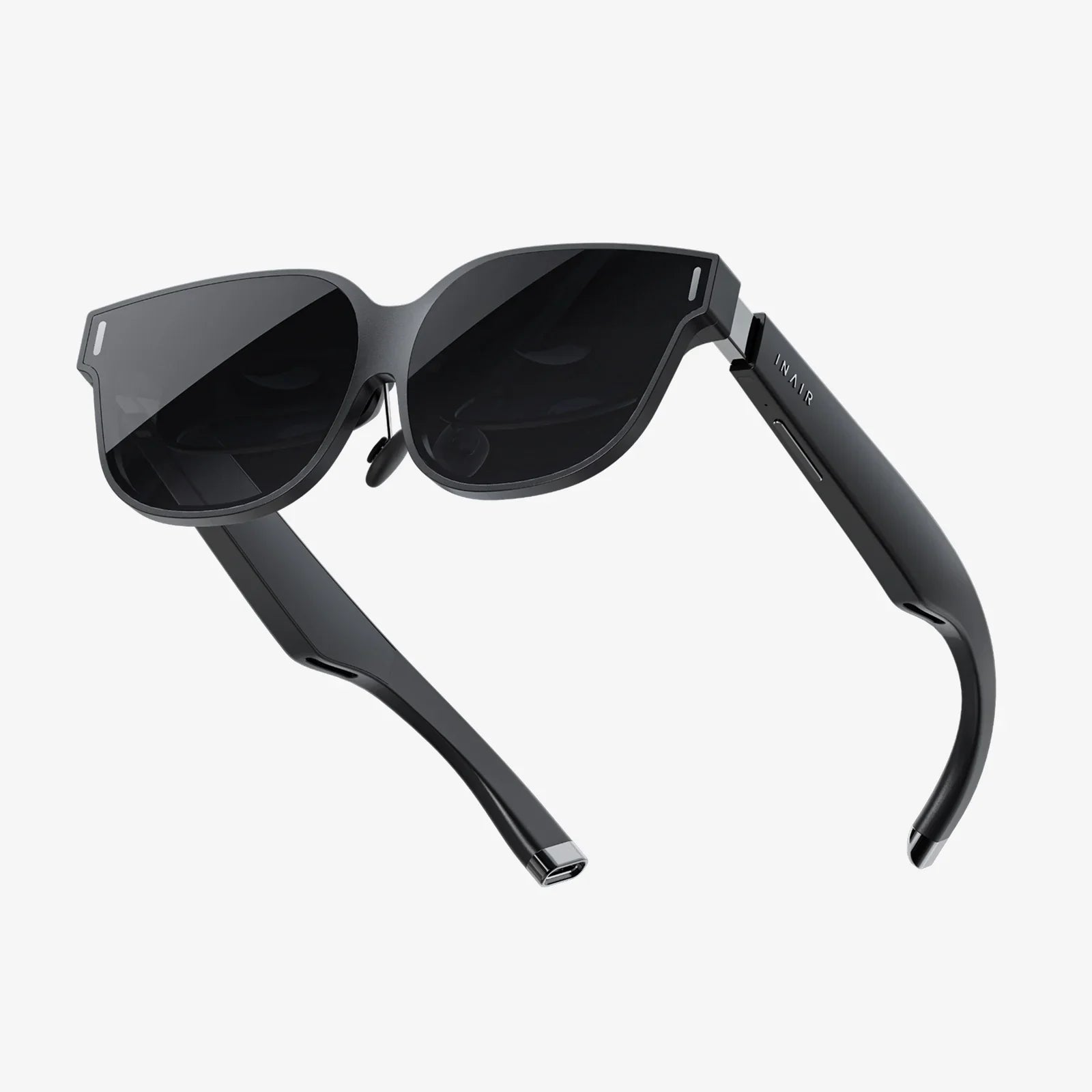
Looking ahead, the future is even more integrated. The proliferation of wearable AR glasses promises a future where we are constantly accompanied by a digital layer of information, moving the experience away from a handheld screen and into our field of vision. This will open up new possibilities for hands-free interaction, real-time navigation, and persistent digital content anchored to the world around us. The rise of the spatial web—where digital information is mapped to physical locations—will further blur the lines between our online and offline selves. In this coming age, a brand's AR strategy will not be a separate initiative but an intrinsic part of its entire digital identity, a constant and dynamic interface with its customers.
The most successful entities in this new landscape will be those that understand this fundamental truth: the goal is not to use AR, but to be an AR brand. They will be the architects of experiences, building not just products but portals to deeper meaning and utility. They will understand that the future of customer loyalty lies not in a loyalty card, but in a shared reality, collaboratively built and endlessly engaging. The door to this new dimension is open, and the audience is ready to step through.
Share:
Human Computer Interaction Definition Principles: The Blueprint for Seamless Digital Experiences
Its Wearable and Grows: The Next Frontier in Sustainable Technology