


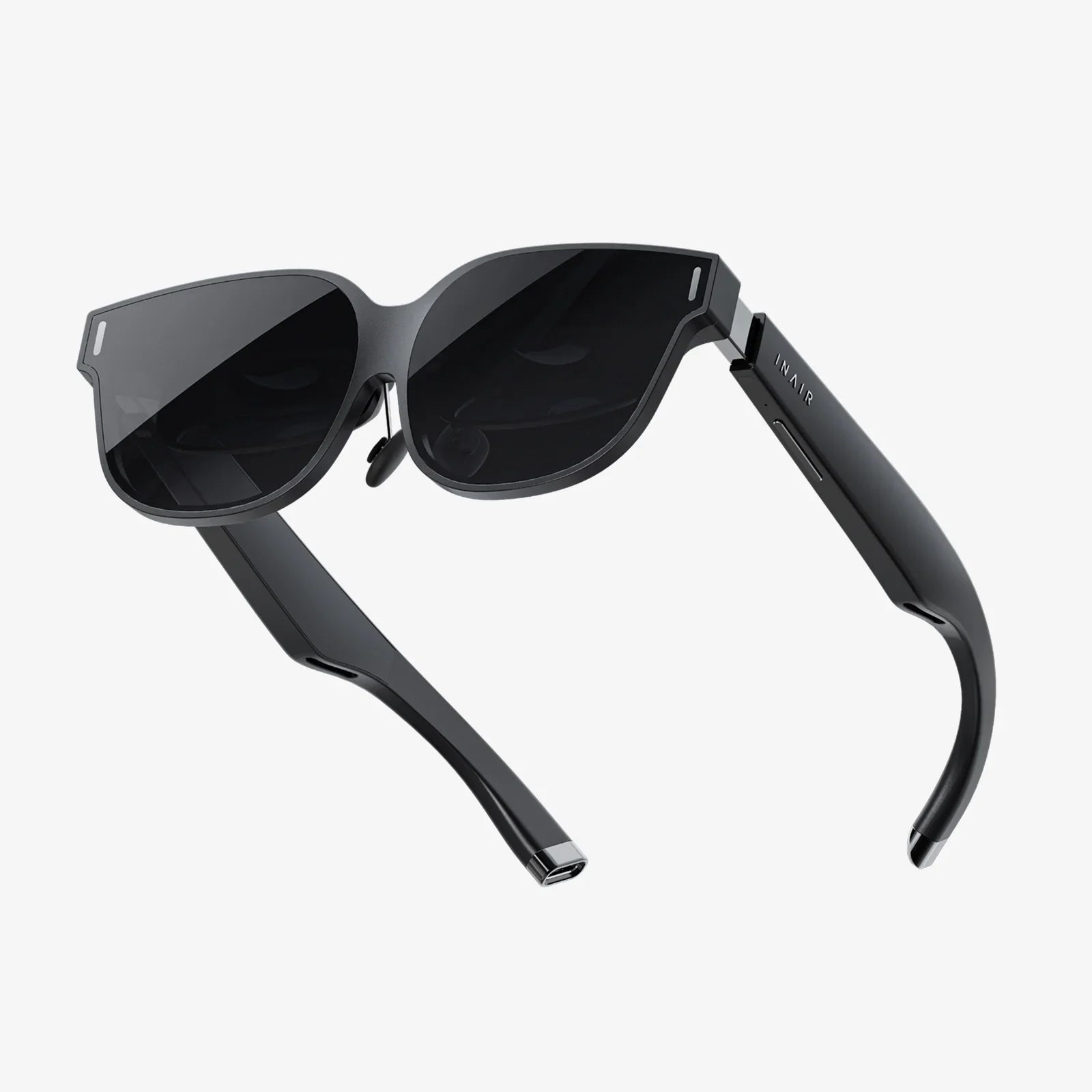
Imagine looking out across a sea of golden wheat, not just seeing the crop for what it is today, but for the rich tapestry of data it represents—the precise yield potential of each square meter, the soil moisture levels hidden beneath the surface, and the spectral signature of a nascent fungal infection invisible to the naked eye. This is not a scene from a distant science fiction future; it is the imminent reality promised by the convergence of Augmented Reality (AR) and combine harvester technology. The AR combine represents a seismic shift in agricultural technology, moving beyond mere mechanization and automation into the realm of hyper-visualization and cognitive assistance, fundamentally redefining the relationship between farmer, machine, and field.
The Genesis of a New Agricultural Era: From Mechanization to Digitization
The combine harvester itself was one of the most transformative inventions in human history, liberating countless hours of manual labor and enabling the scale of farming necessary to support a growing global population. For over a century, its evolution has been one of incremental improvements: more horsepower, larger headers, greater threshing efficiency. The digital age introduced precision agriculture, layering GPS guidance and yield monitoring onto these mechanical giants. This was a crucial step, but it remained a largely data-driven, rather than data-visualized, paradigm. Operators interacted with fields of numbers on screens, interpreting spreadsheets and maps after the fact. The AR combine shatters this paradigm by bringing that data to life in real-time, directly within the operator's field of view, superimposing a layer of intelligence onto the physical world.
Core Technologies Powering the AR Combine Experience
The magic of the AR combine is woven from several advanced technologies working in concert. It begins with a robust network of sensors mounted on the machine itself—high-resolution optical cameras, LiDAR scanners, hyperspectral imagers, and near-infrared (NIR) sensors. These devices continuously scan the crop flow, the ground, and the surrounding environment, generating a massive, constant stream of raw data.
This data is then processed by onboard computing systems, often leveraging edge computing capabilities to handle the immense workload with minimal latency. Here, complex algorithms and machine learning models spring into action. They identify patterns, detect anomalies, and translate raw sensor readings into actionable information. Is that a slight variation in plant color? The algorithm recognizes it as a early sign of nitrogen deficiency. Is there a subtle drop in threshing efficiency? The system correlates it with a specific moisture level and crop density.
The final, and most revolutionary, piece is the AR interface. This typically takes the form of a transparent heads-up display (HUD) integrated into the cab's windshield or a set of smart glasses worn by the operator. Using precise positioning data, this display projects graphics, alerts, and data visualizations onto the exact parts of the field or machine they correspond to. The operator no longer needs to look down at a screen; the information is contextually presented onto the world itself.
Transforming the Cab: The Operator's New Command Center
The cab of an AR combine is transformed from a simple control room into a situationally aware command center. The cognitive load on the operator is dramatically reduced while their decision-making authority is exponentially increased.
- Real-Time Yield Mapping with Visual Overlays: Instead of viewing a yield map days later, the operator sees it being painted onto the field in real-time. A color gradient—from red (low yield) to green (high yield)—is overlaid directly onto the passing crop, instantly highlighting which areas of the field are underperforming. This allows for immediate mental note-taking and future planning.
- Precision Loss Monitoring and Diagnostics: AR systems can visually pinpoint and quantify harvest loss. A graphic might highlight where kernels are being ejected from the sieves, or a virtual arrow might point to a specific area of the header where gathering is inefficient, allowing for instant mechanical adjustments.
- Obstacle and Topography Awareness: LiDAR and camera data can identify hidden obstacles like rocks or depressions, projecting a warning halo around them on the HUD before the header reaches them. Similarly, pre-loaded topographic data can show the operator the exact slope and elevation of the ground ahead, aiding navigation on difficult terrain.
- Biomass and Quality Analysis: Hyperspectral imaging can assess plant health and grain quality on the fly. The operator might see a section of the crop glow with a specific color, indicating a disease outbreak or pest infestation that is otherwise invisible, enabling targeted intervention rather than whole-field treatment.
The Data Dividend: From Real-Time Operations to Strategic Insight
The value of the AR combine extends far beyond the cab. It is a prolific generator of incredibly rich, geotagged data. Every pass down a row contributes to a high-fidelity, multi-dimensional map of the farm. This data becomes the foundation for a virtuous cycle of improvement.
Post-harvest, this data can be fused with other sources—soil conductivity maps, satellite imagery, weather station records—to create a holistic digital twin of the field. Farmers and agronomists can virtually "replay" the harvest, using the AR-recorded data to conduct deep-dive analysis. Why did this corner yield 20% less? The AR data might reveal it correlated with a compacted soil zone detected by the machine's sensors months earlier. This insight directly informs future prescriptions for seeding density, fertilizer application, and soil aeration, closing the loop on true precision agriculture.
Navigating the Challenges: Barriers to Widespread Adoption
Despite its immense potential, the path to ubiquitous AR combines is not without obstacles. The primary hurdle is cost. The sensor suites, computing hardware, and specialized displays represent a significant capital investment on top of an already expensive piece of equipment. This may initially limit adoption to large-scale farming operations or custom harvesters.
Connectivity is another critical challenge. Real-time data processing and seamless AR visualization require high-bandwidth, low-latency connections, which are still elusive in many rural agricultural areas. While edge computing can mitigate this, a reliable link to cloud-based services for data aggregation and deeper analysis remains essential.
Finally, there is the human factor. This technology represents a fundamental shift in the operator's role. Comprehensive training and support will be crucial to overcome skepticism and ensure that farmers can leverage the technology to its full potential, rather than being overwhelmed by it.
The Future Field: Beyond the Combine
The concept of the AR combine is merely the spearhead of a broader revolution. The principles developed here will rapidly propagate across the agricultural ecosystem. We can anticipate AR interfaces for planting operations, where optimal seed placement depth and population are visualized in the soil. Sprayer operators could see AR overlays showing exactly which weeds to target, dramatically reducing herbicide use. Irrigation systems could project soil moisture deficits directly onto the field.
Furthermore, this technology paves the way for fully autonomous harvesting. The AR combine is the perfect training ground for the AI models that will one day drive completely unmanned machines. The vast datasets of visual and operational information collected by human operators using AR are the fuel needed to teach autonomous systems how to respond to the countless variables and edge cases presented by a harvest environment.
The AR combine is far more than a new feature set; it is a new philosophy. It represents the final, critical step in the digitization of agriculture, where the gap between the digital data layer and the physical world is finally erased. It empowers the farmer with superhuman perception, turning every harvest into an act of simultaneous production and intensive learning. This is not just about harvesting grain more efficiently; it is about harvesting knowledge, and using that knowledge to build a more productive, sustainable, and resilient food system for the future.
This seamless fusion of sight and insight, of the physical and the digital, unlocks a level of control and understanding previously confined to the realm of imagination, making the farmer an active conductor of the symphony of growth rather than a mere spectator to its finale.
Share:
Cool Cheap Wearable Tech: The Ultimate Guide to Affordable Innovation
Most Purchased Digital Products 2025: The Tech Defining Our Daily Lives